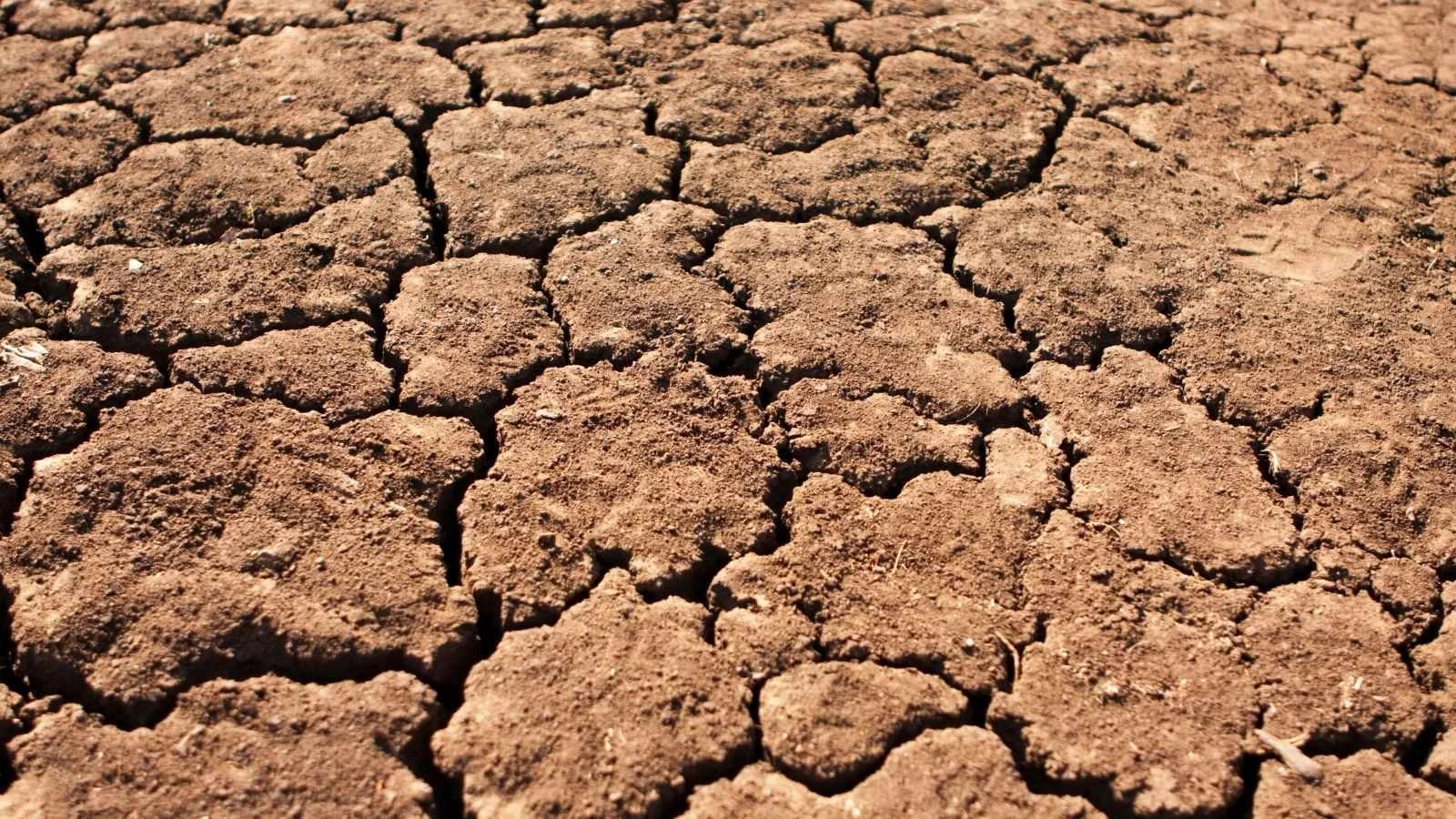
Compacted or Lifeless Soils in NZ Gardens
Why hard, dense, or “dead” soil stops plants from thriving — and what you can do
What Are Compacted or Lifeless Soils?
Compacted or lifeless soils are a common frustration in NZ gardens, especially in new builds, urban gardens, or lawns converted to beds.
These soils are dense, poorly structured, and often low in biological activity. Plants struggle to access water and nutrients, even if you fertilise regularly.
Common Signs Gardeners Notice
Hard or crusted soil surface
Water pooling after rain or poor drainage
Slow plant growth or uneven patches
Low worm activity
New plantings or lawns failing to establish
If your garden shows these signs, your soil may need more than just fertiliser — it needs structure and life.
Why Soil Compaction or “Dead Soil” Happens in NZ
New builds or construction: Soil has been disturbed or heavily compacted
Urban gardens: Frequent foot traffic or small spaces limit soil health
Converted lawns: Grass roots leave dense, thatchy soil when turned into beds
Poor organic matter: Soils lacking compost or humus struggle to feed microbes
Excessive digging or synthetic fertilisers: Over time, biology declines and soils lose structure
How Gardeners Typically Respond
Common attempts to fix soil include:
Adding more fertiliser or lime
Digging or tilling the soil repeatedly
Replanting failed crops
These methods can help temporarily but don’t rebuild long-term soil health. Healthy plants need living, well-structured soil, not just nutrients on top.
How Our Products Help
Our products are designed to improve soil structure, boost biology, and support plant growth:
🌱 Lazerhume — Soil-First Support
Best for: improving soil structure and microbial activity in garden beds
Why gardeners choose it: Encourages crumb formation, feeds soil microbes, and improves water penetration and aeration.
🥕 DCT Garden — Soil + Gentle Nutrition
Best for: beds, vegetable gardens, and flowers
Why gardeners choose it: Supports soil biology while gently feeding plants, helping new plantings establish faster.
🌿 DCT Lawn — Soil Support for Lawns
Best for: lawns or turf areas that are compacted or high-traffic
Why gardeners choose it: Improves aggregation, encourages worm activity, and helps grass roots develop in heavy soils.
What You’ll See in Your Garden
Softer, more friable soil
Better water absorption and drainage
Increased worm activity
Healthier, more consistent plant growth
Reduced frustration with new plantings or lawn establishment
When This Problem Is Most Likely
Converting lawns to garden beds
Urban gardens with heavy foot traffic
New builds or recently disturbed soil
Areas where synthetic fertilisers have been used heavily for years
If your garden soil is hard, slow to drain, or seems “dead”, improving soil structure and biology is the best long-term solution.
Similar Problems Gardeners Often See
Water Stress in Gardens — dense soils can worsen drought or waterlogging
Poor Root Development — compacted soil limits root growth
Low Soil Biology / Dead Soil — soils that have lost microbial life