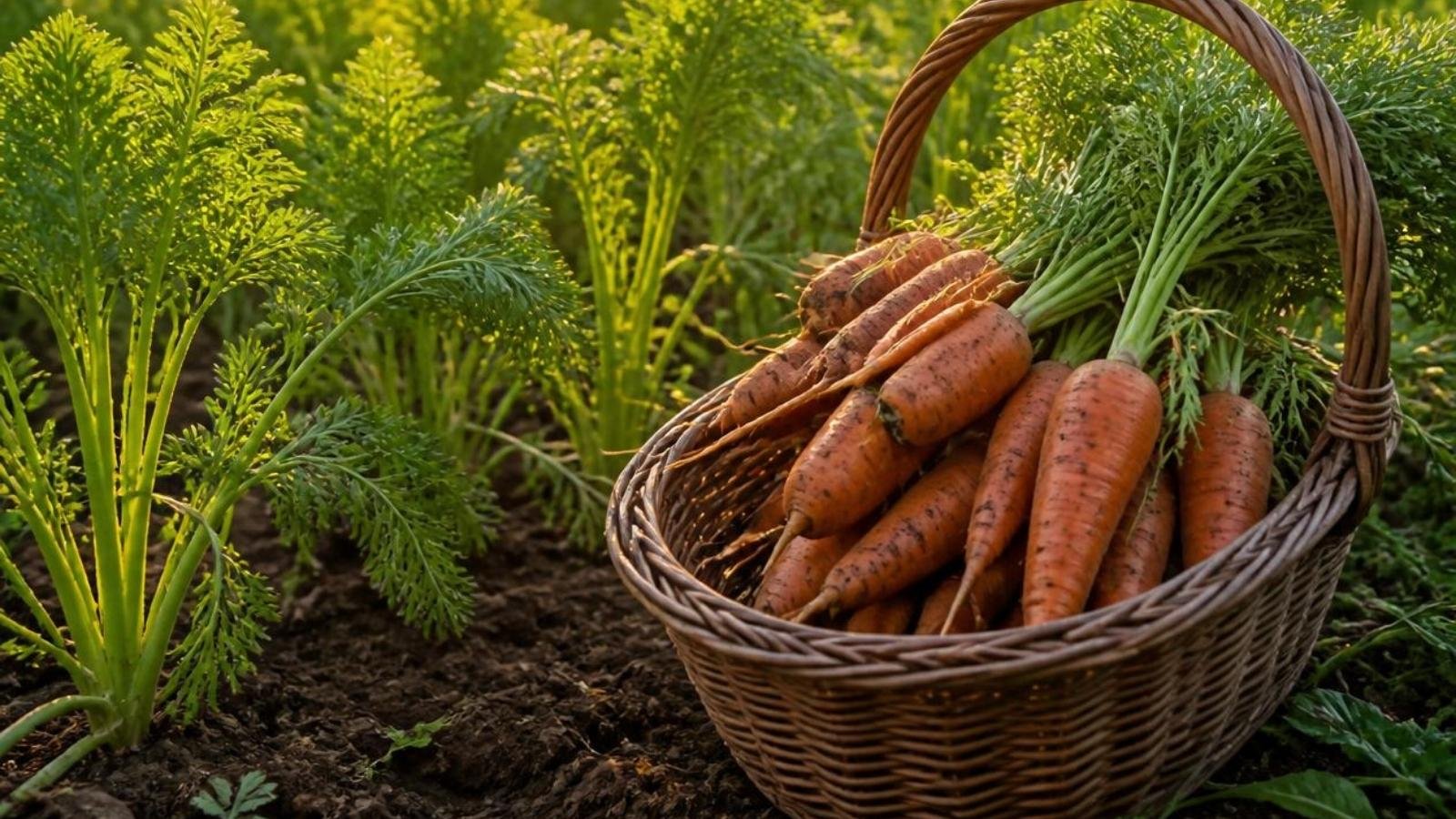
How to Grow Carrots in New Zealand: Complete Growing Guide
Carrots are one of the most rewarding vegetables to grow in a home garden. Freshly harvested carrots have a sweetness and flavour that is difficult to match, and with the right growing conditions they can provide a reliable harvest throughout the year.
Growing great carrots starts below the soil surface. Loose, healthy soil, strong root development, consistent moisture, and balanced nutrition all play an important role in helping carrots develop into healthy, straight roots.
Whether you are growing carrots in traditional garden beds, raised gardens, or containers, this complete carrot growing guide covers everything you need to know about growing healthier carrots in New Zealand conditions.
Quick Carrot Growing Guide
| Factor | Recommendation | Why it matters |
|---|---|---|
| Sunlight | 6+ hours of sunlight daily | Supports strong leaf growth and healthy root development |
| Soil | Deep, loose, well-drained soil | Allows carrot roots to grow straight and develop fully |
| Planting Time | Can be planted throughout much of the year | Succession planting provides continuous harvests |
| Watering | Keep soil consistently moist, especially during germination | Helps prevent poor germination and split roots |
| Feeding | Provide balanced nutrition without excessive nitrogen | Encourages healthy roots rather than excessive leaf growth |
| Spacing | Thin seedlings to allow room for root development | Reduces competition and helps produce larger carrots |
| Harvest Time | Approximately 10–16 weeks after planting | Harvest timing depends on variety and preferred size |
When to Plant Carrots in New Zealand
| Region | Planting Window | Growing Notes |
|---|---|---|
| Northland | February – November | Mild conditions allow extended carrot growing throughout the year |
| Auckland | February – November | Spring and autumn are ideal growing periods |
| Waikato | March – November | Cooler seasons often provide the best root development |
| Bay of Plenty | February – November | Long growing season allows multiple plantings |
| Hawke’s Bay | March – November | Plant succession crops for continuous harvests |
| Wellington | September – April | Protect young plants from cold conditions and strong winds |
| Nelson / Tasman | February – November | Excellent conditions for carrots with good spring and autumn growth |
| Canterbury | September – April | Spring and autumn planting usually provides the best results |
| Otago | September – March | Focus planting during warmer months and protect from frost |
Choosing the Right Location for Carrots
Carrots perform best in a sunny position with loose, well-drained soil.
Choose a location with:
6+ hours of sunlight daily
Deep, loose soil
Good drainage
Consistent moisture
Because carrots develop underground, soil condition has a major influence on the final size, shape, and quality of the harvest.
Preparing Soil for Carrots
Healthy soil is the foundation of successful carrot growing.
Carrots need soil that allows roots to grow freely without restriction.
Before planting:
Remove stones and compacted areas.
Improve soil structure with organic matter.
Avoid heavy or waterlogged soils.
Create a fine, loose planting area.
Poor soil conditions can lead to small, forked, or misshapen carrots.
A healthy soil environment allows carrot roots to expand naturally and access water and nutrients efficiently.
Planting Carrots
For best results:
Prepare a fine, loose seed bed.
Sow seeds directly into the soil.
Keep soil moist during germination.
Thin seedlings to allow enough space.
Maintain consistent growing conditions.
Carrots can take several weeks to germinate, so keeping the soil evenly moist during this stage is important.
Growing Carrots in Raised Beds and Containers
Carrots are well suited to raised gardens and containers, especially where soil depth and quality can be controlled.
For growing carrots in pots NZ gardeners should focus on:
Using deep containers.
Choosing loose growing media.
Maintaining moisture.
Avoiding compacted soil.
Container growing can be a great option for gardeners wanting straight, high-quality carrots.
Feeding Carrots for Better Root Growth
Carrots need balanced nutrition throughout their growing cycle.
Healthy carrot production depends on:
Strong root development
Good soil structure
Efficient nutrient availability
Consistent moisture
Supporting the soil environment helps carrots access nutrients effectively while encouraging healthy root growth.
Why Root Health Matters for Carrots
The quality of a carrot harvest depends heavily on what happens below the soil surface.
Healthy roots help carrot plants:
✓ Develop longer, stronger roots
✓ Access nutrients efficiently
✓ Use water effectively
✓ Handle environmental stress
✓ Produce better-quality harvests
Supporting soil health creates the conditions carrots need to perform.
Recommended Product for Carrots
DCT Garden
DCT Garden is our recommended product for growing carrots.
Designed to support soil health, root development, and nutrient availability, DCT Garden helps create the conditions carrot plants need for stronger growth and improved harvest potential.
DCT Garden supports:
✓ Healthy root development
✓ Improved soil condition
✓ Better nutrient availability
✓ Stronger plant growth
✓ Improved resilience during stressful conditions
The combination of soil-conditioning compounds, seaweed extract, and nitrogen helps support carrot plants through establishment, leaf growth, and root development.
Used regularly during the growing season, DCT Garden helps gardeners grow healthier plants and better carrot harvests.
Common Carrot Growing Problems
Why Are My Carrots Small?
Small carrots can be caused by:
Poor soil preparation
Crowded plants
Limited nutrients
Dry conditions
Short growing periods
Giving carrots enough space and creating healthy soil conditions helps encourage better root development.
Why Are My Carrots Forked?
Forked carrots are commonly caused by:
Compacted soil
Stones or obstacles in the growing area
Poor soil structure
Root damage during growth
Loose, well-prepared soil helps carrots grow straighter.
Why Do My Carrots Split?
Carrots can split when growing conditions change quickly, especially:
Heavy watering after dry periods
Rapid growth
Uneven moisture levels
Maintaining consistent moisture helps reduce stress on developing roots.
Why Are My Carrot Tops Healthy But Roots Are Small?
This can happen when plants have plenty of leaf growth but limited underground development.
Possible causes include:
Excess nitrogen
Poor soil structure
Crowded plants
Insufficient growing time
Balanced plant growth and healthy soil conditions help support better root formation.
Harvesting Carrots
Carrots can usually be harvested once they reach a desirable size.
For best results:
Harvest when roots are firm and well developed.
Loosen soil before pulling.
Harvest smaller carrots for sweeter flavour.
Leave mature carrots longer if desired.
Carrots can often be harvested gradually, allowing gardeners to enjoy fresh produce over an extended period.
Frequently Asked Questions
When Should I Plant Carrots in New Zealand?
Carrots can be planted throughout much of New Zealand, with spring and autumn often providing excellent growing conditions.
How Long Do Carrots Take to Grow?
Most carrots take around 10–16 weeks depending on variety, conditions, and desired size.
Can You Grow Carrots in Pots?
Yes. Carrots grow well in deep containers where soil depth and moisture can be controlled.
What Is the Best Soil for Carrots?
The best soil for carrots is loose, deep, well-drained soil that allows roots to expand easily.
Final Thoughts
Growing great carrots starts with healthy soil.
Strong roots, good soil structure, consistent moisture, and balanced nutrition all contribute to better carrot development and improved harvests.
By focusing on soil health and plant performance, you can enjoy fresh, sweet, homegrown carrots from your own garden.
Want to grow more from your garden?
Explore our complete New Zealand Growing Guides for planting advice, seasonal tips, and practical information to help you grow healthier plants.