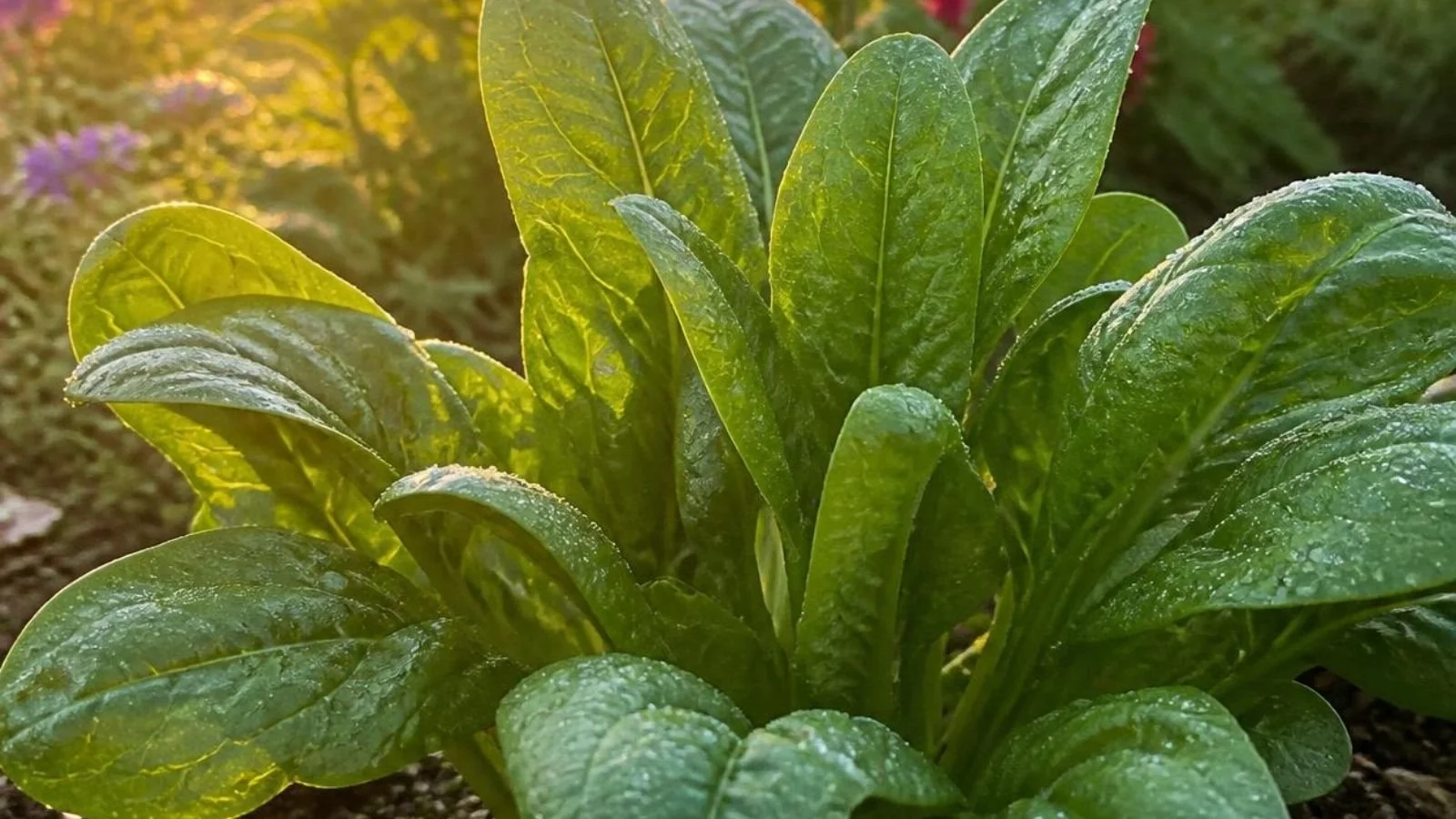
How to Grow Spinach in New Zealand: Complete Growing Guide
Spinach is one of the most rewarding leafy greens to grow in a home garden. It is fast-growing, packed with nutrients, and can provide multiple harvests when grown in the right conditions.
Growing healthy spinach starts with creating the right environment below and above the soil. Healthy soil, strong roots, consistent moisture, and balanced nutrition all help spinach plants produce lush, vibrant leaves.
Whether you are growing spinach in garden beds, raised gardens, or containers, this complete spinach growing guide covers everything you need to know about growing healthier spinach in New Zealand conditions.
Quick Spinach Growing Guide
| Factor | Recommendation | Why it matters |
|---|---|---|
| Sunlight | 4–6 hours of sunlight daily | Supports healthy leaf growth while reducing heat stress |
| Soil | Rich, fertile, moisture-retentive soil with good drainage | Provides the nutrients and conditions needed for strong leaf production |
| Planting Time | Cooler months are ideal, but spinach can be grown throughout much of the year | Cool conditions help produce healthy leaves and reduce bolting |
| Watering | Keep soil consistently moist | Helps maintain steady growth and prevents plant stress |
| Feeding | Provide balanced nutrition to support leaf development | Encourages lush, healthy foliage and improved harvests |
| Spacing | Allow enough room for leaves to develop | Improves airflow and reduces competition between plants |
| Harvest Time | Approximately 6–8 weeks after planting | Harvesting regularly encourages continued leaf production |
When to Plant Spinach in New Zealand
| Region | Planting Window | Growing Notes |
|---|---|---|
| Northland | March – October | Cooler months provide the best growing conditions and reduce heat stress |
| Auckland | March – October | Autumn, winter, and spring plantings generally perform well |
| Waikato | March – October | Cool-season growing supports healthier leaf production |
| Bay of Plenty | March – October | Plant during cooler periods for the best results |
| Hawke’s Bay | March – October | Spring and autumn are ideal planting periods |
| Wellington | March – September | Protect young plants from harsh winds and extreme cold |
| Nelson / Tasman | March – October | Excellent conditions for autumn, winter, and spring spinach growing |
| Canterbury | February – October | Use cooler seasons for best leaf quality |
| Otago | March – September | Spring and early autumn plantings are generally most successful |
Choosing the Right Location for Spinach
Spinach prefers cooler growing conditions and performs best in a sunny to partially shaded position.
Choose a location with:
4–6 hours of sunlight daily
Protection from extreme heat
Good airflow
Moist, well-drained soil
Spinach grows best during cooler months and can struggle when exposed to prolonged hot conditions.
Preparing Soil for Spinach
Healthy soil is the foundation of productive spinach plants.
Before planting:
Improve soil with compost or organic matter.
Ensure good drainage.
Create a fertile growing environment.
Avoid compacted soil.
Strong roots help spinach plants access water and nutrients efficiently, supporting better leaf growth and plant health.
Planting Spinach
For best results:
Prepare a fine seed bed.
Sow seeds directly into the soil.
Keep soil consistently moist during germination.
Thin seedlings to allow room for growth.
Harvest leaves regularly.
Spinach can be planted successively to provide a continuous supply of fresh leaves.
Growing Spinach in Pots and Containers
Spinach is well suited to container gardening and is a great option for smaller gardens.
For growing spinach in pots NZ gardeners should focus on:
Using quality growing media.
Choosing containers with good drainage.
Maintaining consistent moisture.
Providing regular nutrition.
Container-grown spinach can dry out quickly, so regular watering is important.
Feeding Spinach for Better Leaf Growth
Spinach is grown primarily for its leaves, making healthy plant growth important.
Good spinach production depends on:
Strong root development
Healthy foliage
Efficient nutrient uptake
Consistent moisture
Supporting soil health helps spinach plants access nutrients needed for vigorous leaf production.
Why Root Health Matters for Spinach
Although spinach is harvested above ground, healthy roots provide the foundation for strong leaf growth.
Healthy roots help spinach plants:
✓ Access nutrients efficiently
✓ Use water effectively
✓ Produce healthier leaves
✓ Handle environmental stress
✓ Maintain steady growth
Supporting the root environment helps create stronger, more productive plants.
Recommended Product for Spinach
DCT Garden
DCT Garden is our recommended product for growing spinach.
Designed to support soil health, root development, and nutrient availability, DCT Garden helps create the conditions spinach plants need for stronger growth and improved harvest potential.
DCT Garden supports:
✓ Healthy root development
✓ Improved soil condition
✓ Better nutrient availability
✓ Stronger plant growth
✓ Improved resilience during stressful conditions
The combination of soil-conditioning compounds, seaweed extract, and nitrogen helps support spinach plants from early establishment through active leaf production.
Used regularly during the growing season, DCT Garden helps gardeners grow healthier spinach plants with better-quality harvests.
Common Spinach Growing Problems
Why Is My Spinach Not Growing?
Slow spinach growth can be caused by:
Poor soil conditions
Lack of nutrients
Dry soil
Crowded plants
Cold stress
Healthy soil and consistent growing conditions help improve plant performance.
Why Are My Spinach Leaves Turning Yellow?
Yellow leaves can be caused by:
Nutrient deficiencies
Overwatering
Poor drainage
Root stress
Natural ageing
Maintaining healthy soil conditions helps support stronger leaf growth.
Why Is My Spinach Bolting?
Spinach may bolt when exposed to:
Hot temperatures
Long daylight periods
Plant stress
Growing spinach during cooler seasons and maintaining consistent moisture can help reduce bolting.
Why Is My Spinach Bolting?
Spinach may bolt when exposed to:
Hot temperatures
Long daylight periods
Plant stress
Growing spinach during cooler seasons and maintaining consistent moisture can help reduce bolting.
Can You Grow Spinach in Pots?
Yes. Spinach grows very well in containers and is ideal for small gardens, balconies, and raised beds.
Harvesting Spinach
Spinach can be harvested gradually once leaves reach a usable size.
For best results:
Pick outer leaves first.
Harvest regularly.
Avoid damaging the growing centre.
Plant successively for ongoing supply.
Regular harvesting encourages continued leaf production.
Frequently Asked Questions
When Should I Plant Spinach in New Zealand?
Spinach can be planted throughout much of the year, with cooler months often providing the best growing conditions.
How Long Does Spinach Take to Grow?
Spinach can usually be harvested within 6–8 weeks depending on variety and growing conditions.
Can Spinach Grow in Pots?
Yes. Spinach is an excellent container crop when provided with good soil, moisture, and nutrition.
Why Is My Spinach Turning Yellow?
Yellow spinach leaves can be caused by nutrient issues, watering problems, or plant stress.
Final Thoughts
Growing great spinach starts with healthy soil and strong plants.
Good soil structure, healthy roots, consistent moisture, and balanced nutrition all contribute to lush, productive spinach plants.
By focusing on soil health and plant performance, you can enjoy fresh homegrown spinach throughout the year.
Want to grow more from your garden?
Explore our complete New Zealand Growing Guides for planting advice, seasonal tips, and practical information to help you grow healthier plants.