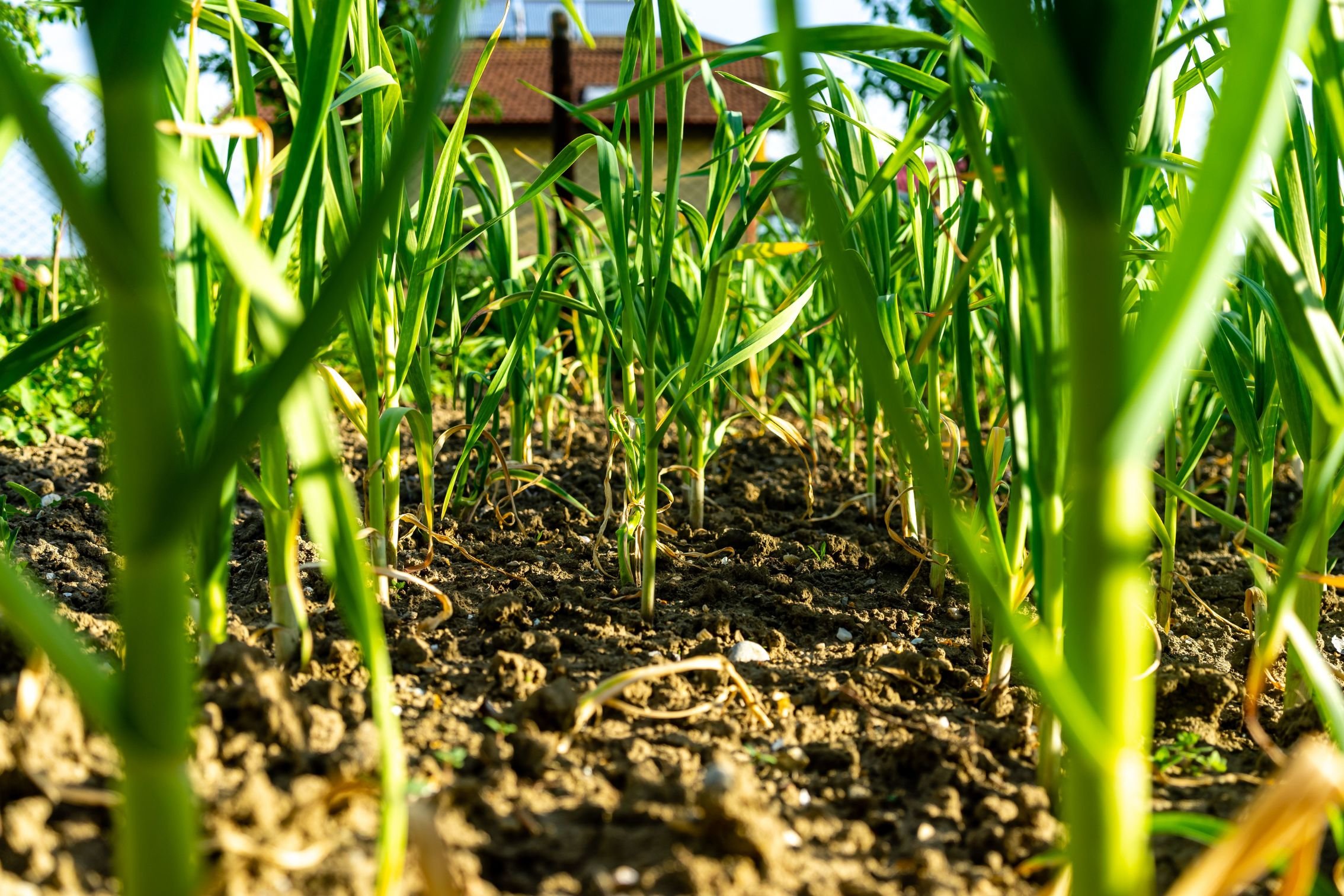
How to Grow Spring Onions in New Zealand: Complete Growing Guide
Spring onions are one of the easiest vegetables to grow in a New Zealand home garden. They take up very little space, grow quickly, and can provide a continuous supply of fresh flavour for cooking.
Whether you are growing spring onions in garden beds, raised planters, or containers, successful growth comes down to healthy soil, consistent moisture, good sunlight, and strong root development.
This guide covers everything you need to know about growing healthier, stronger spring onions in New Zealand conditions.
Quick Spring Onion Growing Guide
| Factor | Recommendation | Why it matters |
|---|---|---|
| Sunlight | 4–6+ hours of sunlight daily | Supports healthy leaf growth and stronger plants |
| Soil | Loose, fertile, well-drained soil | Allows shallow roots to establish and access nutrients |
| Planting Time | Most of the year, with best growth from spring to autumn | Warm soil encourages faster germination and growth |
| Watering | Keep soil consistently moist but not waterlogged | Prevents slow growth and supports tender leaves |
| Feeding | Provide balanced nutrition during active growth | Supports healthy green leaves and steady production |
| Spacing | Allow enough room for plants to develop | Reduces competition and improves plant performance |
| Harvest Time | Approximately 8–12 weeks after planting | Harvesting regularly encourages continued growth |
When to Plant Spring Onions in New Zealand
| Region | Planting Window | Growing Notes |
|---|---|---|
| Northland | February – November | Can be grown for much of the year due to mild winters |
| Auckland | March – November | Best growth during cooler months and spring |
| Waikato | March – October | Spring and autumn provide ideal growing conditions |
| Bay of Plenty | March – November | Long growing season suits repeated planting |
| Hawke’s Bay | March – October | Good results with spring and autumn planting |
| Wellington | September – April | Plant after colder winter conditions have passed |
| Nelson / Tasman | March – November | Excellent region for succession planting due to sunny conditions |
| Canterbury | September – April | Spring planting gives the strongest growth |
| Otago | September – March | Focus planting during warmer months |
Choosing the Right Location
Spring onions are adaptable plants, but they perform best when grown in a sunny position with fertile, well-drained soil.
Choose a location that receives:
4–6+ hours of sunlight daily
Good airflow
Consistent moisture
Protection from extreme heat where possible
Because spring onions have a relatively shallow root system, good soil structure is important.
Preparing Soil for Spring Onions
Healthy soil is the foundation of productive spring onions.
Before planting:
Improve soil with compost or organic matter.
Ensure soil drains well.
Avoid compacted areas where roots struggle to develop.
Maintain consistent moisture.
Loose, healthy soil allows spring onions to establish quickly and develop stronger growth.
Planting Spring Onions
Spring onions can be grown from seed, seedlings, or replanted from the white root ends of store-bought spring onions.
For best results:
Prepare loose, fertile soil.
Sow seeds shallowly or plant seedlings.
Keep soil consistently moist.
Thin plants if they become overcrowded.
Harvest regularly to encourage ongoing growth.
Spring onions are ideal for succession planting, allowing you to sow small amounts every few weeks for a continuous harvest.
Feeding Spring Onions for Strong Growth
Spring onions are grown mainly for their green leafy growth, so maintaining healthy leaves is important.
They benefit from:
Good nitrogen availability
Healthy root development
Consistent moisture
A balanced soil environment
Simply adding more fertiliser is not always the answer. Plants perform best when roots can access nutrients effectively and soil conditions support healthy growth.
Why Root Health Matters
Although spring onions are a smaller crop, strong roots still play an important role in plant performance.
Healthy roots help plants:
✓ Access nutrients more efficiently
✓ Use water effectively
✓ Establish stronger growth
✓ Produce healthier green leaves
✓ Recover from environmental stress
Good plant growth starts below the soil surface.
Recommended Product for Spring Onions
DCT Garden
DCT Garden is our recommended product for growing spring onions.
Designed to support soil health, root development, and nutrient availability, DCT Garden helps create the conditions spring onions need for stronger growth.
DCT Garden supports:
✓ Healthy root development
✓ Improved soil condition
✓ Better nutrient availability
✓ Stronger plant growth
✓ Improved resilience during stressful conditions
The combination of soil-conditioning compounds, seaweed extract, and nitrogen helps support spring onions through establishment, leafy growth, and harvest.
Used regularly during the growing season, DCT Garden helps gardeners achieve healthier, more productive plants.
Common Spring Onion Problems
Why Are My Spring Onions Thin?
Thin spring onions are commonly caused by:
Crowding
Poor soil fertility
Lack of sunlight
Limited root development
Inconsistent watering
Giving plants enough space and improving soil conditions can help encourage stronger growth.
Why Are My Spring Onion Leaves Turning Yellow?
Yellow leaves can be caused by:
Nutrient shortages
Overwatering
Poor drainage
Root stress
Natural ageing
Improving soil conditions and maintaining consistent nutrition can help.
Why Are My Spring Onions Not Growing?
Slow growth can be caused by:
Cold soil
Poor soil structure
Lack of nutrients
Dry conditions
Spring onions grow best when roots have access to moisture, oxygen, and available nutrients.
Harvesting Spring Onions
Spring onions can be harvested at almost any stage.
For continuous production:
Harvest outer leaves first.
Leave the remaining plant growing.
Replant regularly for a constant supply.
Young spring onions usually have the best flavour and tenderness.
Frequently Asked Questions
Can You Grow Spring Onions From Scraps?
Yes. The white root ends can be replanted in water or soil and will often regrow new green shoots.
Do Spring Onions Need Full Sun?
Spring onions grow best with several hours of sunlight each day, although they can tolerate some partial shade.
How Often Should I Water Spring Onions?
Keep soil consistently moist, especially during establishment and active growth.
How Long Do Spring Onions Take to Grow?
Depending on variety and conditions, spring onions can often be harvested within 8–12 weeks.
Final Thoughts
Growing successful spring onions is about creating the right conditions from the ground up.
Healthy soil, strong roots, consistent moisture, and good nutrition all contribute to better growth and a more productive home garden.
Want to grow more from your garden?
Explore our complete New Zealand Growing Guides for planting advice, seasonal tips, and practical information to help you grow healthier plants.