Soil Biology & Microbial Activation —
Science Explained
Introduction
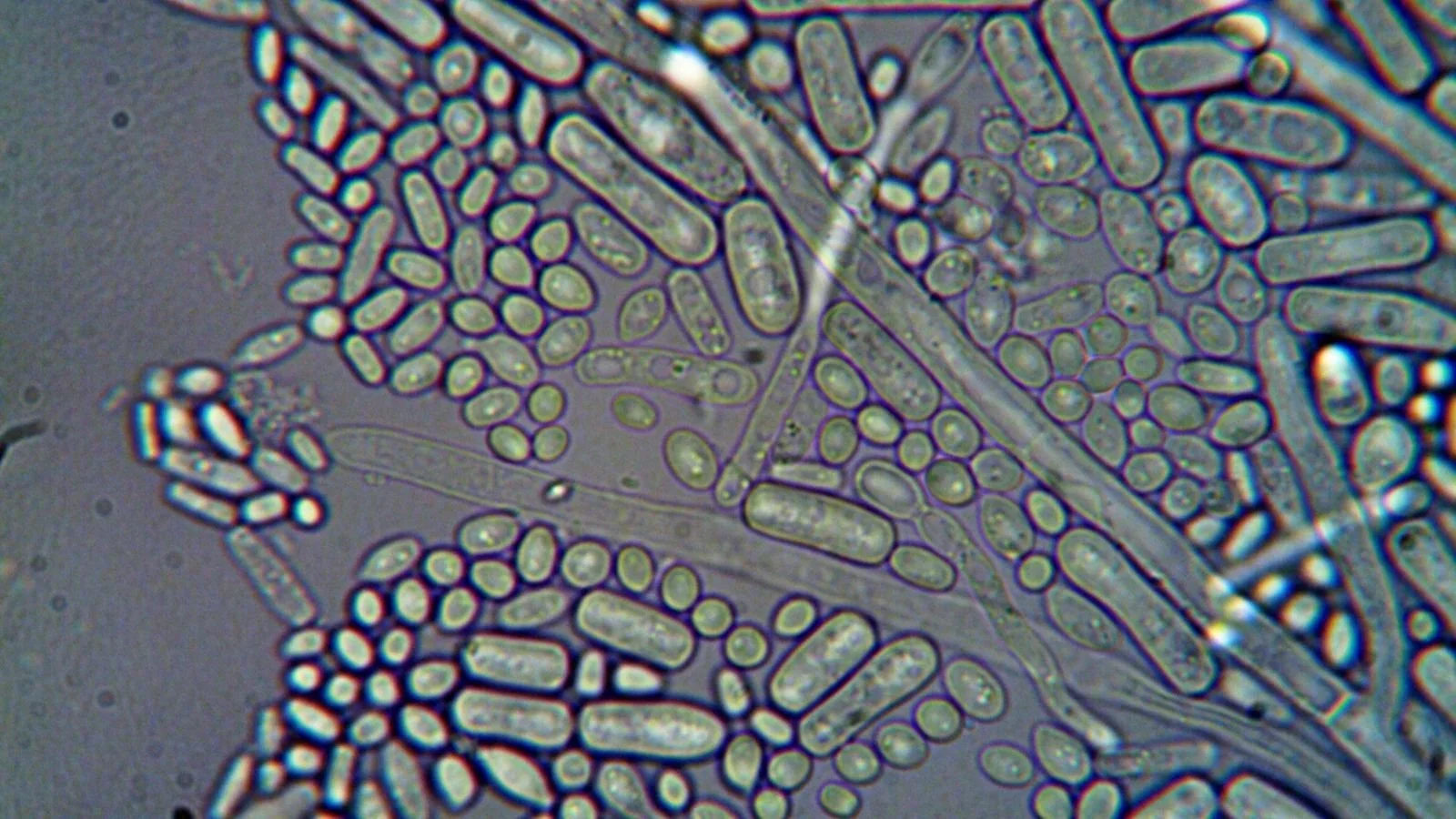
Soil health is fundamentally driven by its living component, an active and diverse microbial community. Microorganisms regulate nutrient cycling, organic matter decomposition, soil structure development, and plant‑microbe interactions that are essential to productive cropping systems.
In many agricultural soils, biological processes are constrained by low organic carbon, limited energy sources for microbes, and suboptimal rhizosphere function.
DCT products, formulated with humic and fulvic acids plus seaweed extract, are designed to enhance microbial activity and functional biological processes in soil. This white paper explains how these components influence microbial communities, rhizosphere dynamics, enzyme activity, and nutrient cycling, collectively forming a soil activation system that improves biological function in a sustainable and measurable way.
Case Study Evidence of Soil Activation
Real-world applications of DCT products in New Zealand farms demonstrate outcomes consistent with the scientific mechanisms of microbial activation:
Increased Root Depth: Pasture root depth increased by over 50%, enhancing rhizosphere activity and microbial support through root exudation.
Soil Organic Matter Improvements: Soil organic matter rose from 3.2% to 7.8% within six months of DCT application, supporting higher microbial biomass and nutrient cycling.
Enhanced Nitrogen Fixation: Improved clover growth indicates stimulated Rhizobium activity and more efficient biological nitrogen cycling.
Pest Suppression: Reduced grass grub pressure has been observed as soil biology strengthened, illustrating the ecological benefits of an activated soil system.
These case studies provide practical validation that DCT’s humic, fulvic, and seaweed products influence microbial communities and produce measurable benefits in farm soils.
1. Microbial Community Modulation
Humic and fulvic acids are complex organic molecules derived from the decomposition of plant and microbial residues. When added to soil, these substances serve as energy sources and organic substrates, supporting microbial activity and altering community composition.
Typical effects include:
Changes in microbial biomass and community structure
Enhanced microbial metabolic activity
Increased functional potential in nutrient transformations
Scientific research shows that humic substances can shift microbial community composition and stimulate microbial metabolism, although the magnitude and direction of change can vary with soil type, existing microbial community, and environmental conditions.
Supporting Evidence:
Humic substances are associated with enhanced soil microbial biomass and metabolic activity in agricultural soils.
Fulvic acids act as biostimulants, providing readily accessible carbon and influencing microbial processes.
Bottom Line: Humic and fulvic acids are scientifically documented to modulate soil microbial communities and enhance microbial activity in many agricultural contexts.
2. Rhizosphere Effects & Root-Microbe Interactions
The rhizosphere, the soil immediately surrounding plant roots, is a central zone of biological activity. Microbes and plant roots interact closely here, with root exudates serving as energy sources that influence microbial populations and functions.
Humic and fulvic acids influence root physiology, including enhanced root growth and changes in root exudation patterns. These effects provide additional substrates for microbes, indirectly shaping the rhizosphere microbiome.
Seaweed extracts contribute bioactive compounds such as oligosaccharides, amino acids, and plant growth regulators that further influence root growth and associated microbial activity. Research supports these effects, though much of the mechanism involves plant-mediated changes rather than direct microbial stimulation.
Supporting Evidence:
Humic substances stimulate root growth and influence root exudation, which in turn affects rhizosphere microbial processes.
Seaweed-derived compounds influence soil biochemical activity and root–microbe interactions in agricultural systems.
Bottom Line: Humic and seaweed components can influence root growth and root exudation, indirectly enhancing biological activity in the rhizosphere.
3. Enzyme Activity & Nutrient Cycling
Microbial enzymes are central to nutrient cycling in soil — they catalyse the transformation of organic and mineral nutrients into plant-available forms. Key enzyme systems include:
Dehydrogenase — a proxy for microbial oxidative activity
Phosphatase — involved in phosphorus release from organic compounds
Urease — involved in nitrogen cycling from organic and urea-based sources
Applications of humic substances and seaweed extracts have been associated with increases in these enzyme activities, indicating more active nutrient cycling pathways.
Supporting Evidence:
Humic substances increase enzyme activities that facilitate nutrient mineralisation.
Seaweed extracts enhance microbial enzyme activity in soil systems.
Bottom Line: Both humic- and seaweed-based amendments are associated with enhanced soil enzyme activities, contributing to improved nutrient cycling.
4. Defining a Soil Activation System
When humic and fulvic acids are applied together with seaweed extracts, their combined effects support a holistic enhancement of soil biological function:
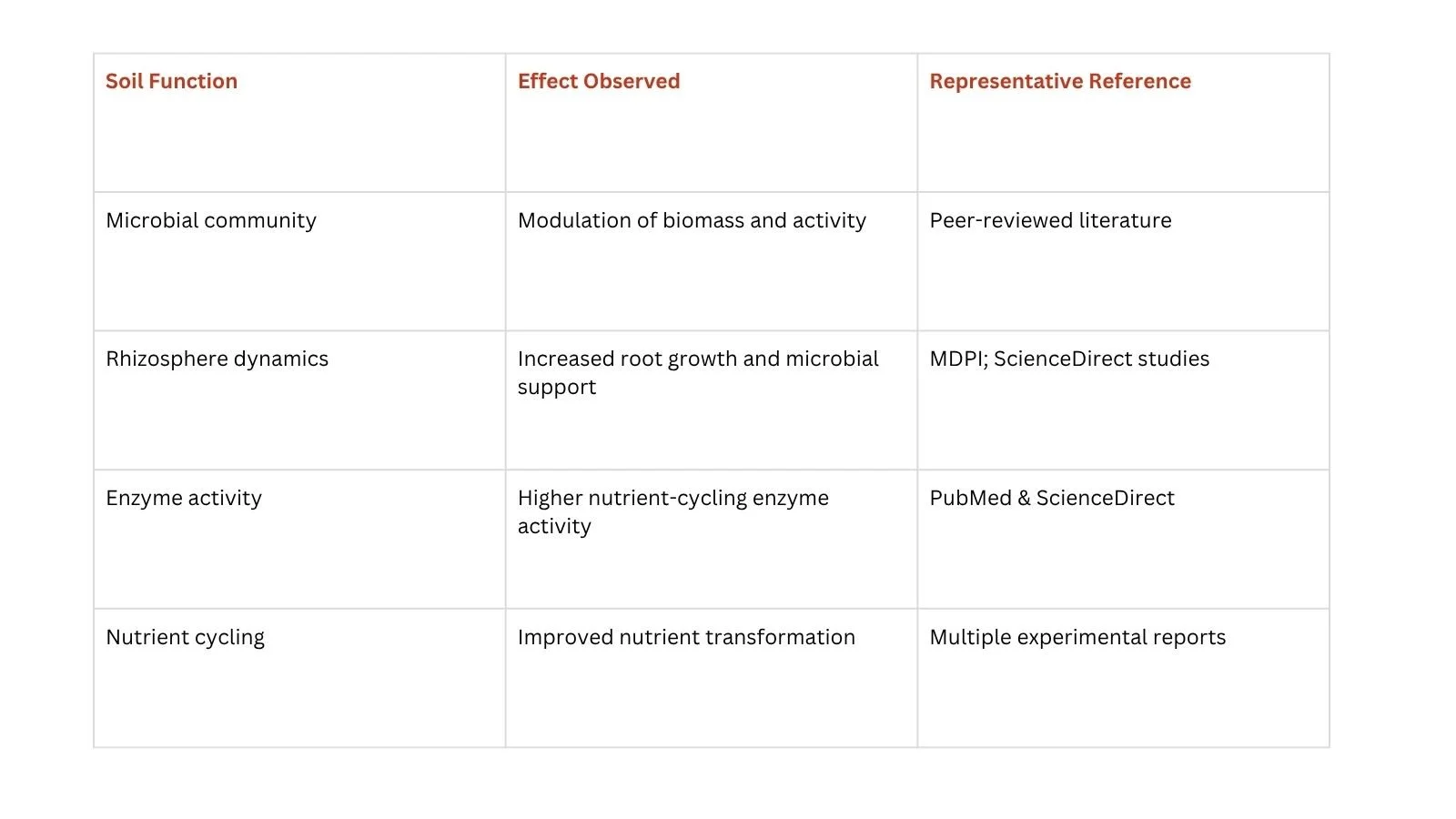
This constellation of effects supports the concept of a soil activation system, where biological processes are engaged more fully to sustain nutrient availability, improve soil function, and contribute to crop performance.
5. Practical Implications for Growers
Growers using DCT humic, fulvic, and seaweed products may observe:
Improved root vigor and structure
Enhanced nutrient use efficiency
Greater soil resilience against stressors like drought or compaction
Improved biological activity that supports long-term soil function
These outcomes are consistent with peer-reviewed research into humic and seaweed soil amendments. Individual results may vary with soil type, crop species, and management context — but the underlying mechanisms are scientifically documented.
References (Scientific Sources)
Chen, Y., et al., 2018. Soil humic substances and microbial activity: Effects on microbial biomass and function. Soil Biology & Biochemistry.
Piccolo, A., 2002. Humic substances as biostimulants in soils. Soil Science.
Canellas, L.P., Olivares, F.L., 2015. Humic effects on rhizosphere processes and root growth. MDPI Agriculture.
Colla, G., et al., 2015. Seaweed extracts and soil biochemical activity. ScienceDirect Agricultural Studies.
DCT Case Studies. Real-world applications of DCT products.