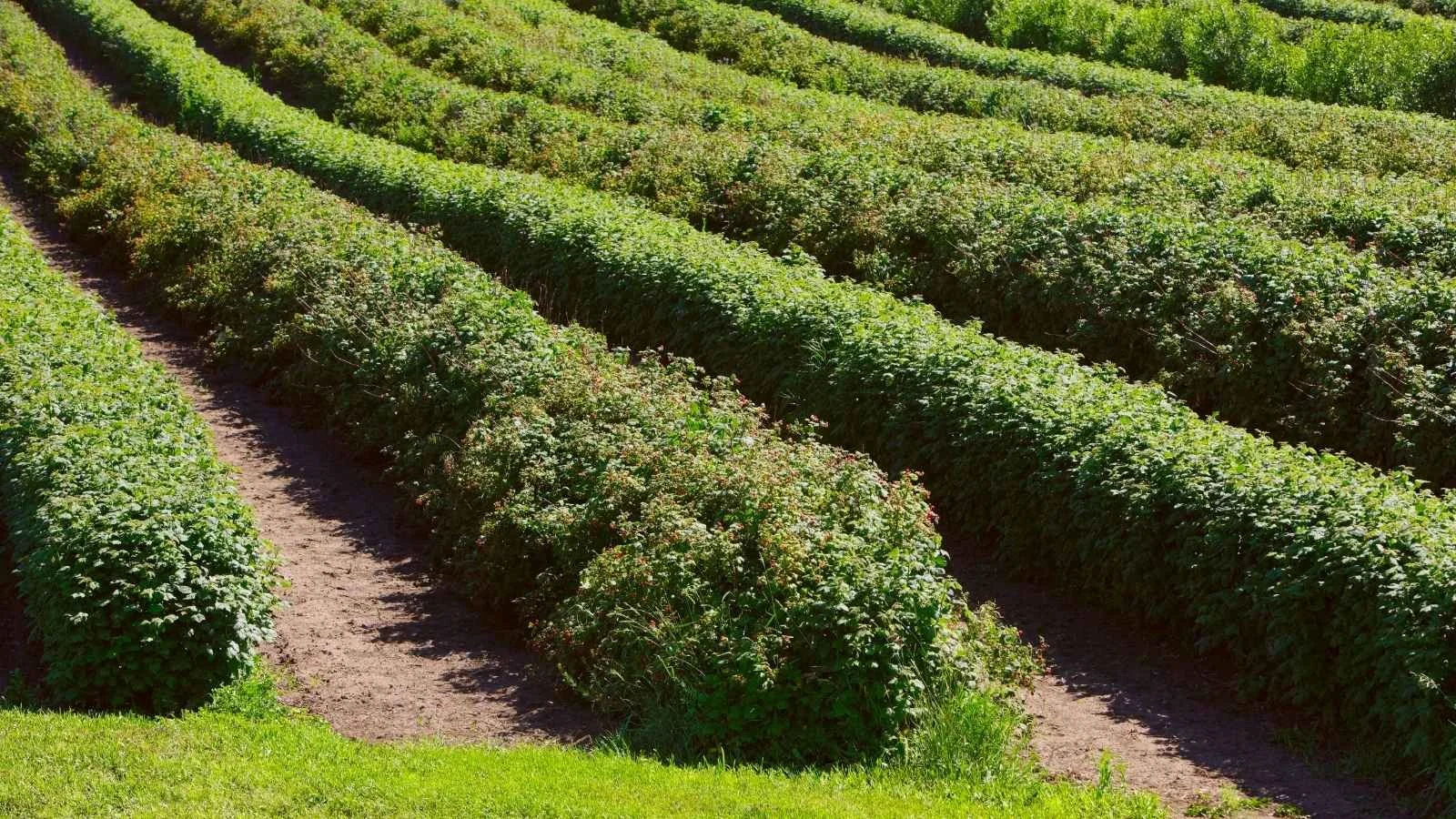
Berry Yield Increased From 3 Tonnes to 6 Tonnes
Historical Raspberry Case Study — Tasman, New Zealand
A Tasman raspberry grower reported yield increasing from 3 tonnes to 6 tonnes after introducing DCT, alongside stronger canes, less harvest damage, improved drainage and active growth continuing into February.
Doubling yield gets attention.
But what makes this historical raspberry case particularly interesting is that yield wasn't the only thing that changed.
The grower was also seeing differences in the strength of the plants, their ability to withstand harvesting, the way the soil was draining and how long active growth continued.
3 Tonnes → 6 Tonnes
Stronger Canes
Less Harvest Damage
Improved Drainage
Growth Continued Into February
Together, they tell a much more interesting story than yield alone.
The Result
The case comes from a raspberry crop in:
Tasman, New Zealand
After DCT was introduced into the growing programme, the grower reported a substantial change in production.
Previous Yield
3 Tonnes
Following Yield
6 Tonnes
That's a:
100% Increase in Reported Yield
The comparison was with the previous season rather than a controlled side-by-side trial, so seasonal and other management influences cannot be separated from the result.
But a change of this size is commercially significant — and worth looking at alongside what else was happening in the crop.
The Canes Were Changing Too
The grower reported noticeably:
Stronger Cane Development
This was particularly apparent in the developing canes that would carry the following season's crop.
That matters in raspberries because today's cane development isn't only about today's crop.
The condition and development of the new canes help establish the productive potential for what comes next.
And the difference wasn't only visible while the plants were growing.
Less Damage During Harvest
The stronger canes were also reported to withstand harvesting better.
The grower observed:
Reduced Cane Damage During Harvest
That's a practical result.
Harvesting is when physical differences in the crop can become commercially important.
A stronger plant that suffers less damage isn't simply a better-looking plant — it can potentially leave the crop in a better position to continue developing and to support future production.
The Crop Kept Growing
Another particularly interesting observation was when the plants stopped growing.
The grower reported that active growth would normally begin slowing around:
Early January
During the DCT programme, active growth was still occurring into:
February
That's a substantial extension of the period in which the plants were actively developing.
We don't have growth measurements from the period, so we treat this as a grower observation rather than a measured extension of the growing season.
But alongside stronger developing canes and higher reported yield, it's an observation worth paying attention to.
Drainage Improved
There was also a change below the crop that the grower could see.
Improved Drainage Was Reported
For raspberries, that is particularly relevant.
Roots require both water and oxygen, and prolonged waterlogging or poorly aerated conditions can restrict root function and place plants under stress.
We don't have soil physical measurements from this case, so we can't establish exactly what changed within the soil.
What we do know is that the grower observed better drainage during the same period in which crop performance was changing.
Looking at the Whole Result
The 3-tonne to 6-tonne yield change is the headline.
But the wider pattern makes the case more interesting.
Yield
3 → 6 Tonnes
100% increase reported
Cane Development
Stronger Canes
particularly the developing canes for the following crop.
Harvest
Less Cane Damage
reported during harvesting.
Growing Period
Active Growth Continued Into February
rather than the normal slowdown around early January reported by the grower.
Drainage
Improved
based on field observation.
These weren't five isolated observations.
They occurred within the same growing system.
What Could Explain the Difference?
This case doesn't contain the soil, root or plant measurements needed to establish a mechanism.
But it does give us some useful questions.
Was improved drainage creating a better environment for root development?
Were the plants able to explore a greater volume of soil?
Was water or nutrient uptake changing?
Did improved plant function contribute to stronger developing canes and the longer period of active growth?
And how much did those changes contribute to the difference observed at harvest?
We can't answer those questions from this historical case alone.
But they are exactly the questions we would investigate today.
Understanding the Result Through the Four Pillars
DCT looks at crop performance through four connected areas:
Soil Function. Root Development. Nutrient Efficiency. Plant Performance.
This case gives us observations in some areas and questions in others.
Soil Function
Improved drainage was observed.
The underlying change in soil physical properties wasn't measured.
Root Development
Not measured.
However, the drainage observation makes the root environment an obvious area for investigation.
Nutrient Efficiency
Not measured.
We therefore don't attribute the increased yield to improved nutrient uptake without evidence.
Plant Performance
This is where the strongest evidence from the historical record sits.
The grower reported:
stronger canes
less harvest damage
continued growth into February
and:
yield increasing from 3 tonnes to 6 tonnes.
About the Evidence
This is a historical DCT field case from a commercial raspberry crop in Tasman.
The original detailed yield records, treatment programme and soil measurements are no longer available.
The 3-tonne and 6-tonne figures, stronger cane development, reduced harvest damage, improved drainage and extended growth are therefore presented as results reported by the grower, rather than independently verified measurements.
The yield comparison is also between consecutive seasons rather than a controlled trial.
That means we can't attribute the entire difference to DCT.
But neither should a reported doubling of yield accompanied by several other changes in crop performance simply be ignored.
It gives us something worth understanding.
What Would We Measure Today?
If we repeated this work today, we would measure the system from the soil through to harvest.
We would want to track soil physical conditions and drainage, root development, cane growth and strength, plant nutrition, fruit yield and quality, harvest losses and the timing of seasonal growth.
That would allow us to investigate not just:
“Did the crop perform differently?”
but:
“What changed within the system to produce the difference?”
Better Farming Starts With Better Understanding
A reported increase from:
3 Tonnes → 6 Tonnes
is significant.
But perhaps the more useful lesson from this case is what happened around that number.
The plants developed stronger canes.
They suffered less damage during harvest.
The grower observed better drainage.
And rather than slowing in early January as expected, active growth continued into February.
Then came the result that ultimately matters:
More crop was harvested.
We can't use a historical case like this to prove that DCT alone doubled raspberry yield.
What it can show us is something equally important:
When several parts of a growing system begin improving together, the commercial result can be worth investigating.
Could Your Crop Be Getting More From Its Existing Growing System?
DCT works with growers to understand the connections between soil function, roots, nutrient efficiency and plant performance — and how those connections can translate into better productive outcomes.


Continue Exploring the other foundations:
-
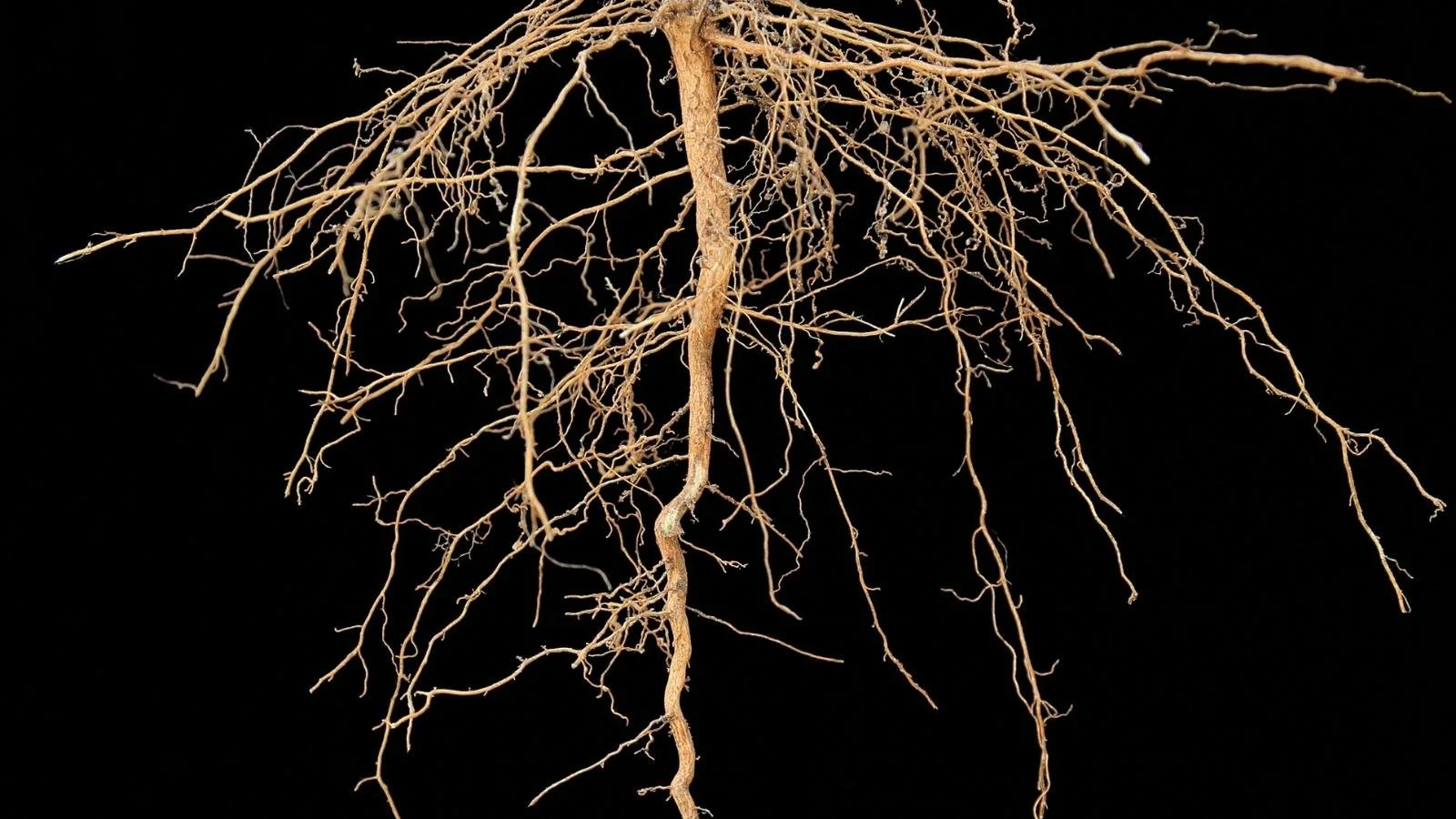
Root Development
Understanding how plants explore the soil for water and nutrients.
-
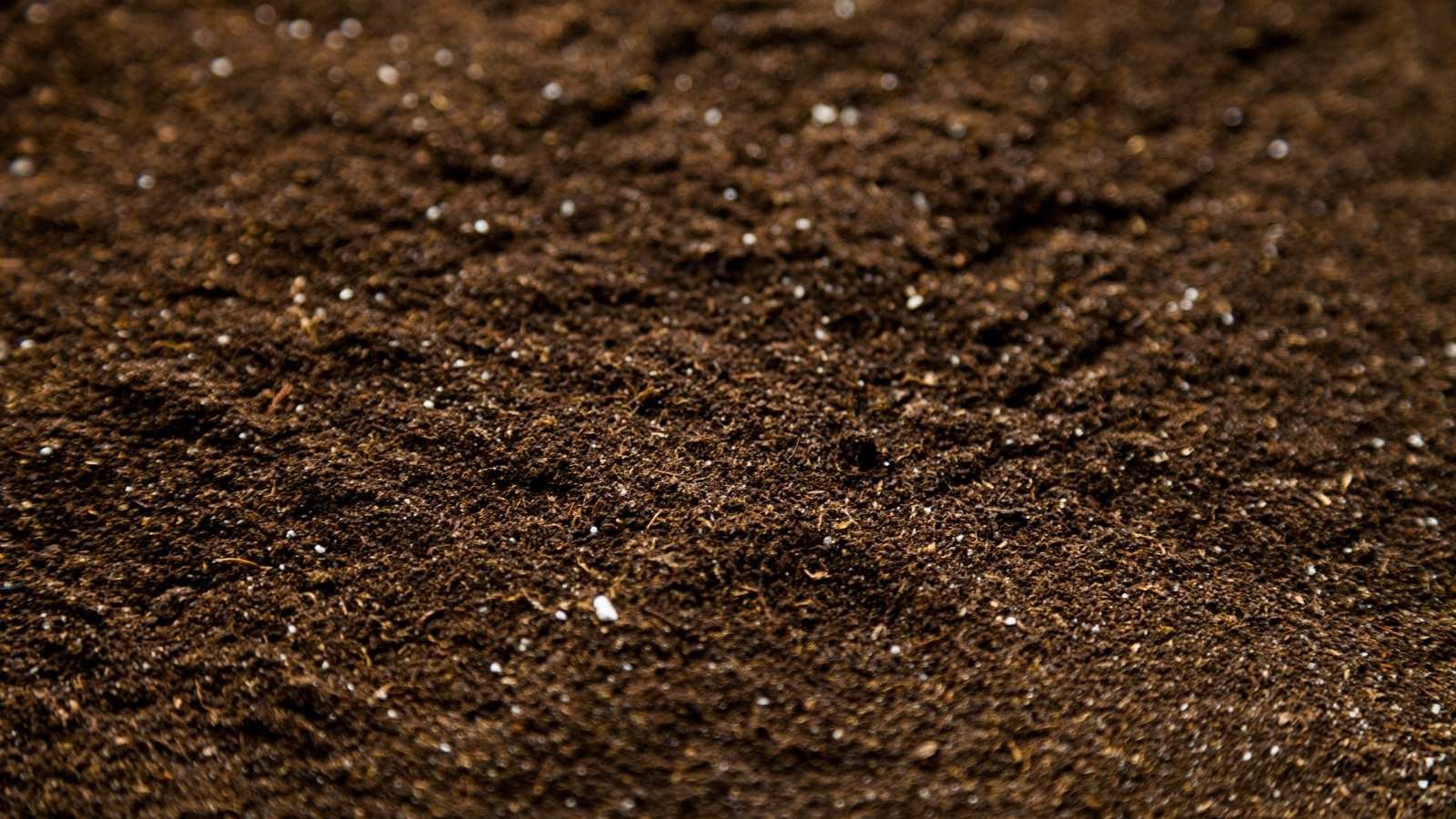
Soil Function
Understanding the environment where roots, water, nutrients and living processes interact.
-
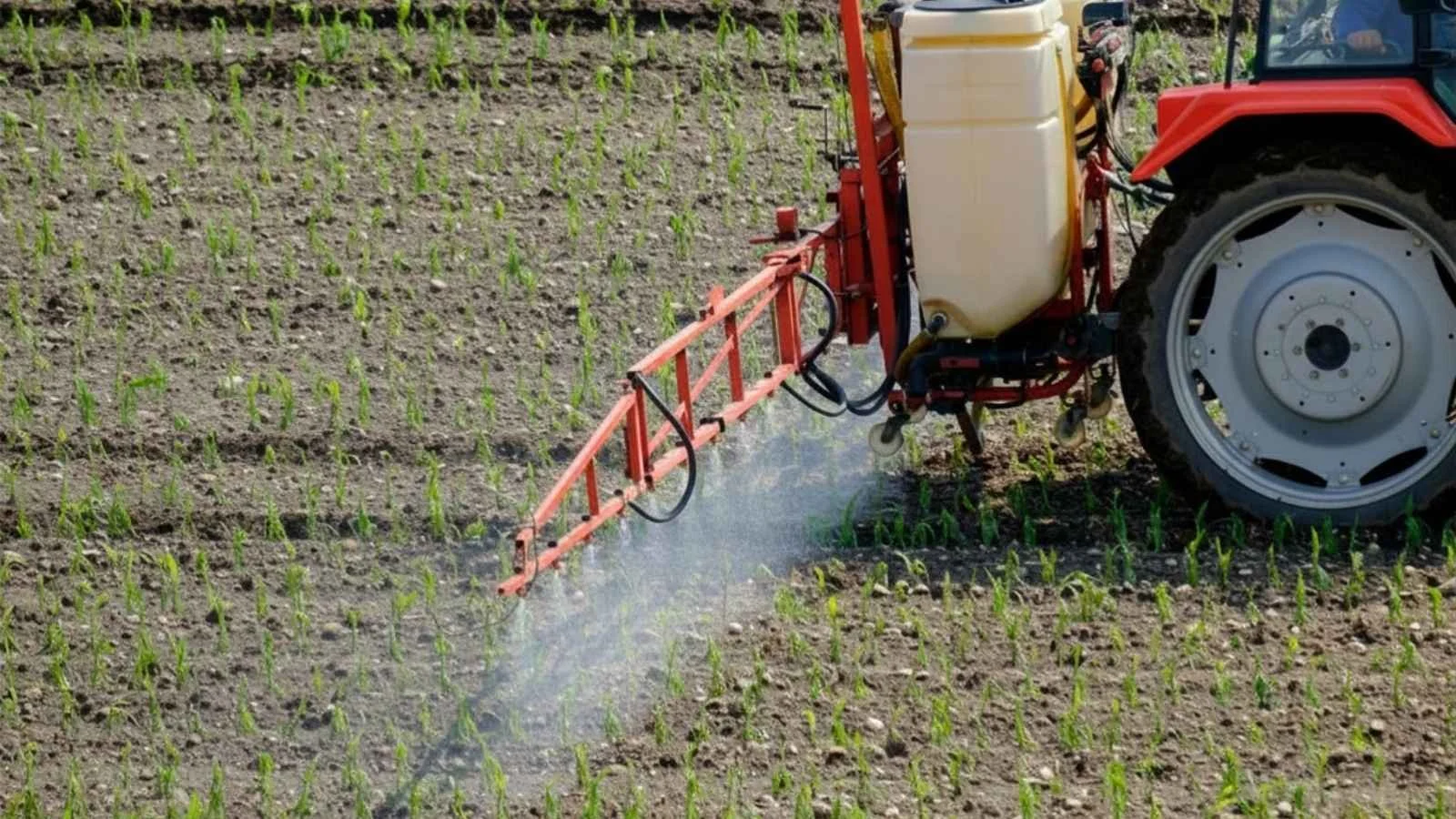
Nutrient Efficiency
Understanding how farming systems capture and use available nutrients.
-
Plant Performance
Understanding how plants convert available resources into productive growth.