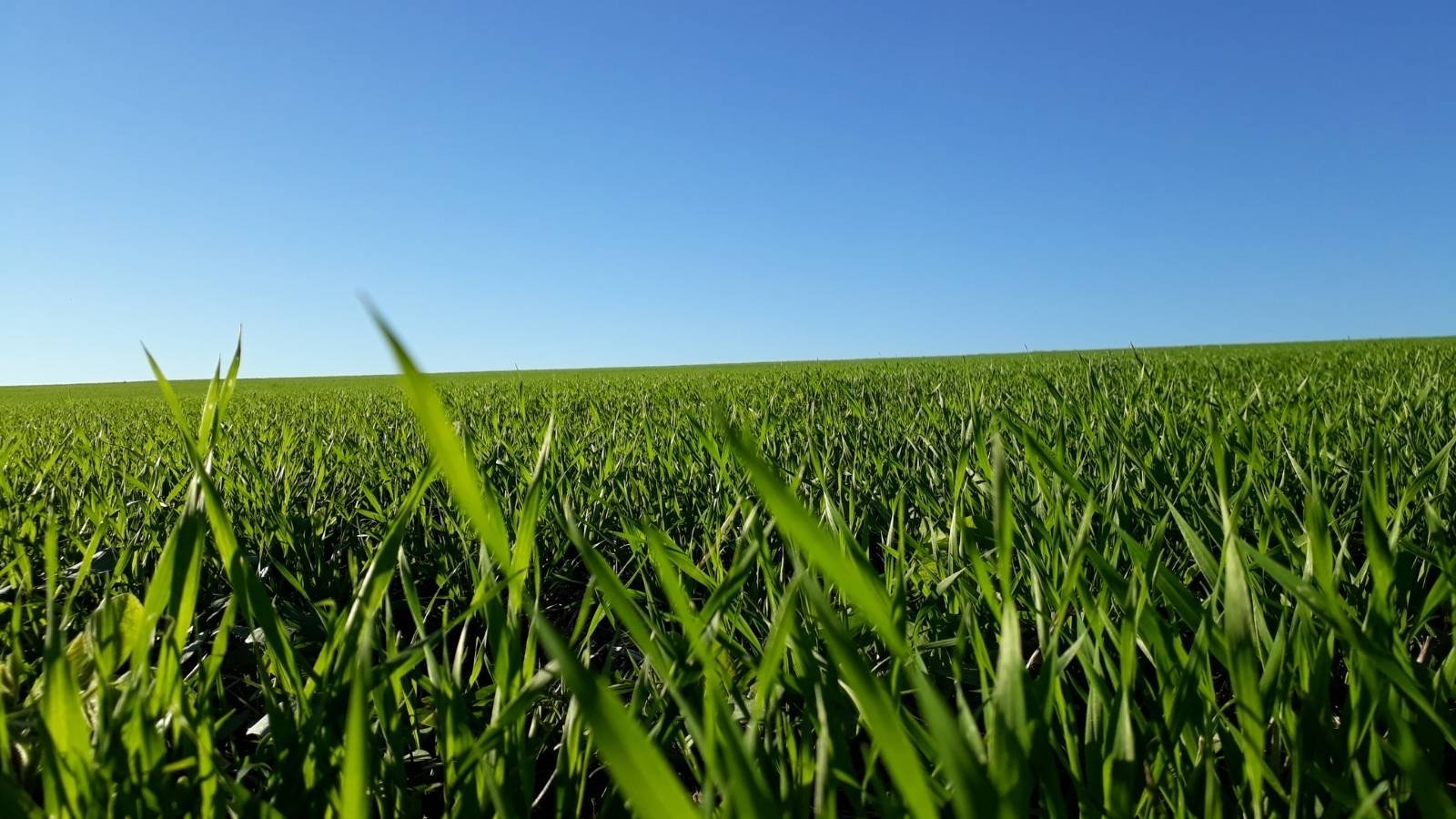
“We Halved Our Fertiliser and Still Achieved the Same Results, If Not Better”
Commercial Vegetable Grower — Nelson, New Zealand
A Nelson commercial vegetable grower using DCT Restore 15 and Lazerhume reported approximately halving fertiliser inputs while maintaining what they regarded as the same or better crop performance.
“We were able to halve our fertiliser and still achieve the same results — if not better.”
— Commercial Vegetable Grower
The Result at a Glance
Fertiliser Input
Approximately Halved
Crop Performance
“Same results — if not better”
System
Commercial Vegetable Production
Case Snapshot
Location: Nelson, New Zealand
Farm type: Commercial vegetable growing
DCT products used: Restore 15 and Lazerhume
Fertiliser change: Approximately halved, according to the grower
Crop result: Same or better overall performance, according to the grower
Other significant management changes: None known
Evidence: Direct grower testimonial
The grower is known to DCT but isn't identified on this page because permission to publish the business name has not been obtained.
The Starting Point
Commercial vegetable production is an input-intensive system.
Fertiliser has an important role, but the commercial question isn't simply how much nutrient is applied.
It is:
How much of that input is actually required to produce the crop result you're being paid for?
Vegetable crops can have substantial nutrient requirements, and inadequate nutrition can quickly affect crop performance.
But crop nutrient supply doesn't come only from fertiliser applied during that season.
Existing soil reserves, previous crops and residues, mineralisation, irrigation, root access and fertiliser timing can all influence the nutrients available to a growing crop.
That makes nutrient efficiency commercially important.
What Changed
The grower incorporated Restore 15 and Lazerhume into the existing crop programme.
Rather than treating DCT as a replacement for conventional crop nutrition, the products were used within the wider growing system.
Over time, the grower reduced the amount of fertiliser being applied.
We don't have application records to establish an exact percentage reduction, so we use the grower's own description:
“We were able to halve our fertiliser…”
We are not aware of another major management change during the period.
However, commercial vegetable production is affected by many variables, and the information available from this historical case isn't sufficient to treat DCT as the only change.
The Grower's Result
The important part of the result isn't simply that less fertiliser was applied.
It is what the grower says happened to crop performance at the same time.
“We were able to halve our fertiliser and still achieve the same results — if not better.”
We don't have historical yield, packout, quality or revenue records to define exactly what the grower meant by “same results — if not better.”
So we don't convert the testimonial into a claim of increased yield or profitability.
We preserve the result exactly for what it is:
A commercial vegetable grower reported approximately halving fertiliser while maintaining what they regarded as the same or better overall crop performance.
That raises an important question about the efficiency of the wider nutrient programme.
Why Fertiliser Efficiency Matters
Fertiliser is an investment.
The objective isn't necessarily to use the least fertiliser possible.
It is to apply what the crop needs and get sufficient return from what is applied.
In intensive vegetable production, total crop nutrient supply can come from several sources:
fertiliser applied during the crop
nutrients already present in the soil
mineralisation of organic matter and crop residues
nutrients remaining from previous applications and rotations
How much of that nutrient supply the crop can access also depends on factors such as rooting, moisture, timing, soil conditions and crop demand.
This means that more fertiliser doesn't automatically mean a proportionally better crop.
The important question is whether total nutrient supply is being matched effectively to crop requirements.
Understanding the Result
DCT looks at crop performance through four connected areas:
Nutrient Efficiency. Plant Performance. Root Development. Soil Function.
For this case, the evidence sits most clearly around Nutrient Efficiency and Plant Performance.
Nutrient Efficiency
This is the central question raised by the case.
The grower reports:
Approximately half the fertiliser
while still achieving:
The same or better crop result
If crop performance can be maintained while substantially reducing an input, it is reasonable to investigate whether the wider system is making more effective use of its available nutrient supply.
But this case doesn't tell us exactly why that happened.
Several processes could contribute, including:
existing soil nutrient reserves;
nutrient release through mineralisation;
fertiliser timing;
root access to nutrients;
soil moisture;
crop rotation and residues;
changes in nutrient losses.
None was individually measured.
We therefore don't select one mechanism and claim DCT caused it.
The evidence is the commercial result reported by the grower.
Plant Performance
Reducing fertiliser would have limited commercial value if crop performance declined with it.
That's what makes the second half of the grower's statement so important:
“…and still achieve the same results — if not better.”
We don't have measured yield or crop-quality records, so this remains the grower's overall assessment rather than a quantified production result.
But it establishes the important relationship within the case:
Fertiliser input decreased substantially.
The grower did not consider crop performance to have been compromised.
The Wider Growing System
Root development and soil function can influence how effectively crops access water and nutrients.
They are therefore relevant to DCT's wider approach to crop performance.
However, neither root development nor changes in soil physical, chemical or biological properties were measured in this case.
We don't use unmeasured changes in soil biology, aggregation, nutrient availability or root development to explain the grower's result.
Instead, they remain parts of the wider system that can be investigated when trying to understand why a crop is — or isn't — responding efficiently to its nutrient programme.
Why This Matters Commercially
The obvious benefit of using less fertiliser is lower fertiliser expenditure.
But the bigger opportunity is return on inputs.
For a commercial grower, the objective isn't simply:
Use less.
It's:
Get more from what you're already putting in.
Land, fertiliser, irrigation, machinery, labour and management all carry a cost.
If an input can be reduced without compromising the crop result, the efficiency of the whole production system changes.
That's what makes this grower's experience commercially interesting.
They didn't tell DCT:
“We used less fertiliser.”
They said:
“We were able to halve our fertiliser and still achieve the same results — if not better.”
The result and the reduction belong together.
What This Case Does — and Doesn't — Show
This is a commercial grower testimonial and field experience, not a controlled fertiliser trial.
The grower is known to DCT, but the business isn't identified publicly because permission to use its name has not been obtained.
The fertiliser reduction is based on the grower's description rather than application records currently held by DCT.
We also don't have yield, packout, crop-quality, soil, root or nutrient-uptake measurements from the comparison.
The case therefore doesn't demonstrate that DCT alone caused the reduction or establish a particular soil, biological or plant mechanism.
What it does show is:
A commercial Nelson vegetable grower using Restore 15 and Lazerhume reported approximately halving fertiliser inputs while achieving what they regarded as the same or better crop results.
That's a result worth understanding.
Better Farming Starts With Better Understanding
Fertiliser remains an important tool in commercial crop production.
The question is not whether fertiliser should be used.
The better question is:
Are you getting the return you should from every fertiliser application?
Understanding that requires looking beyond the amount applied.
It means looking at the crop, the roots, the soil, existing nutrient supply, timing, water and the wider production system.
That's where opportunities to improve efficiency can begin.
Are You Getting the Return You Should From Your Fertiliser?
If fertiliser costs are increasing but crop performance isn't increasing with them, talk to DCT about your existing programme and where greater efficiency may be possible.

Continue Exploring the other foundations:
-

Root Development
Understanding how plants explore the soil for water and nutrients.
-

Soil Function
Understanding the environment where roots, water, nutrients and living processes interact.
-
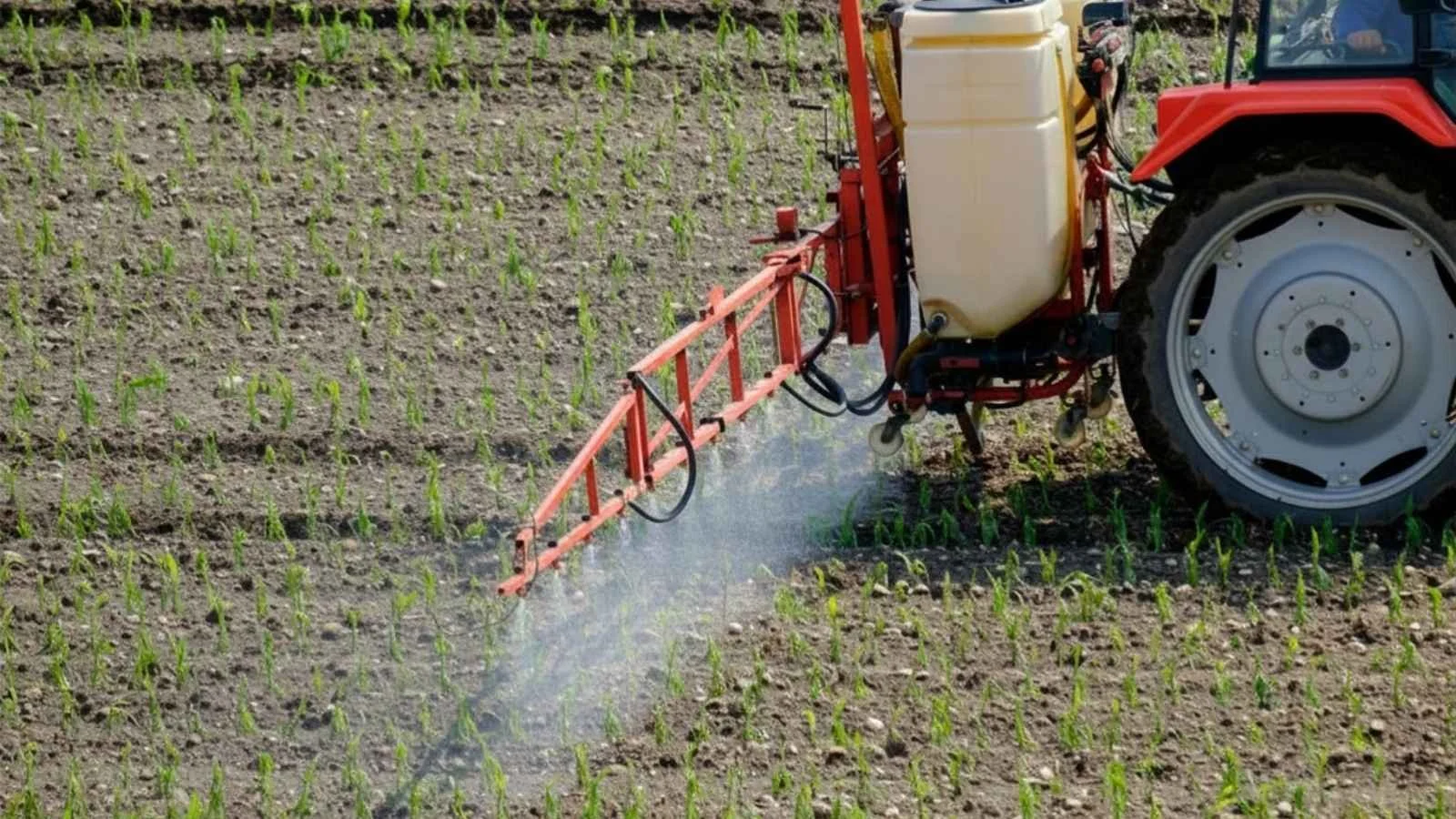
Nutrient Efficiency
Understanding how farming systems capture and use available nutrients.
-
Plant Performance
Understanding how plants convert available resources into productive growth.