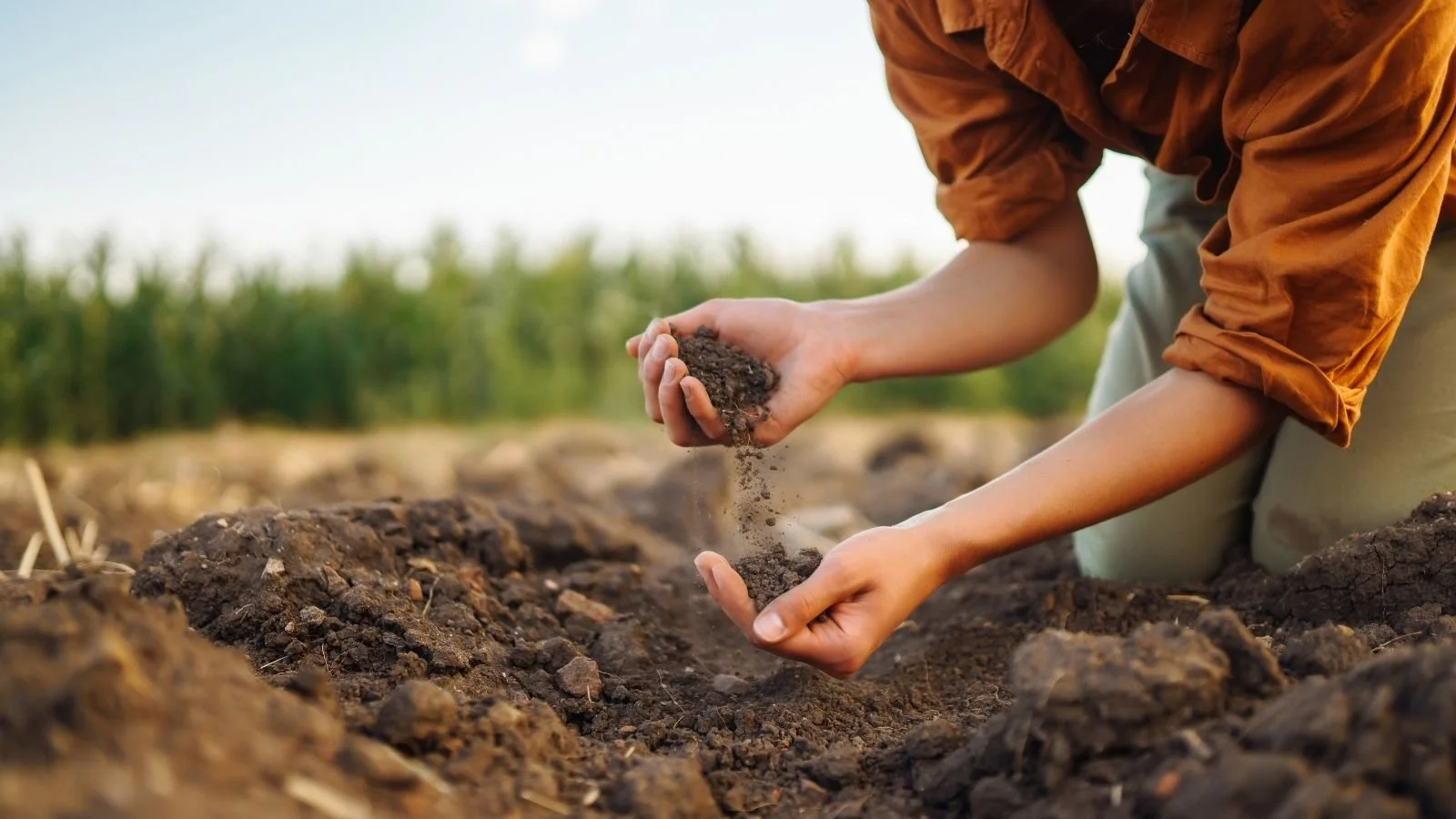
Soil Organic Matter:
3.2% → 7.8%
in Six Months
An Unusual Result from a Nelson Hop Garden
Independent laboratory soil testing from a Nelson hop garden recorded an unusually large change in soil organic matter over approximately six months:
3.2% → 7.8%
It's a big number.
Big enough that rather than simply attributing it to DCT, we think it deserves a closer look.
The Result at a Glance
Soil Organic Matter
3.2% → 7.8%
Period
Approximately 6 Months
Evidence
Independent Laboratory Soil Testing
Crop
Hops
Location
Nelson, New Zealand
DCT Product Used
Lazerhume
The Starting Point
The Nelson hop garden was experiencing a growing problem.
There was also an important complication: the soil had previously been affected by milk whey.
The whey was no longer being applied during the approximately six-month comparison period, but its previous presence makes this an unusual soil environment and an important part of interpreting what happened next.
Lazerhume was introduced during this period.
Independent laboratory soil testing subsequently recorded soil organic matter moving from:
3.2% to 7.8%
over approximately six months.
That's an Unusually Large Change
A movement from 3.2% to 7.8% in approximately six months is large enough to deserve scrutiny.
The result should not automatically be interpreted as meaning that Lazerhume created 4.6 percentage points of new, stable organic matter across the entire soil profile.
That's not what the evidence demonstrates.
What we know is simpler:
Independent laboratory testing recorded 3.2%.
Approximately six months later:
Independent laboratory testing recorded 7.8%.
The interesting question is:
How could a soil-test result move that much?
First: Could Lazerhume Simply Have Added That Much Organic Matter?
No.
The quantity of Lazerhume applied is far too small relative to the mass of soil to directly supply enough organic material to account for a change of this magnitude across a soil profile.
So if the laboratory result reflected a genuine change within the sampled soil, the explanation has to be more interesting than simply:
“Organic material went in from the drum.”
It requires us to look at the wider soil–plant system.
What Makes This Site Different?
This wasn't an ordinary starting environment.
The hop garden had previously been affected by milk whey.
Whey contains substantial readily degradable organic material. Research shows that land application of whey and dairy-processing wastewater can materially affect soil physical, chemical and biological properties.
That means there was potentially a much larger source of organic material already involved in this soil system than the amount supplied through Lazerhume.
The hop crop itself represents another carbon pathway.
Plants capture carbon from the atmosphere through photosynthesis, and some of that carbon subsequently enters the soil through roots, root turnover and compounds released into the root zone.
So the system potentially contained several different carbon flows:
historical whey-derived organic material
existing soil organic matter
hop roots and plant residues
new carbon entering through the growing plant
That gives us several scientifically plausible ways to think about the laboratory result.
What Could Have Happened?
We don't know.
But there are several hypotheses worth considering.
Hypothesis 1 — Historical Whey Changed the Starting Carbon Pool
The previous whey contamination provided an unusual external source of organic material.
Although whey was no longer being applied during the six-month comparison period, organic material originating from the earlier contamination may still have been present within the soil system.
One possibility is that some of the measured change reflected the subsequent transformation, incorporation or redistribution of organic material already present from that earlier input.
Did we demonstrate this?
No.
The fate of the whey-derived material was not measured.
But its presence gives this soil a very different starting context from an ordinary hop garden.
Hypothesis 2 — More Carbon Entered Through the Plant–Root System
Plants don't only accumulate carbon above ground.
They continually transfer plant-derived carbon below ground through:
root growth
root turnover
root-derived compounds entering the surrounding soil
Research has shown that humic substances can influence root growth and root physiology.
If root or plant performance changed during the period, one possibility is that the hop crop itself contributed more carbon below ground.
That could have added to the pool of organic material subsequently measured in the soil.
Did we measure this?
No.
Root biomass, root turnover and below-ground carbon inputs were not measured.
This is therefore a scientifically plausible hypothesis, not a demonstrated mechanism.
Hypothesis 3 — Organic Material Was Being Processed or Retained Differently
Adding carbon to soil is only part of the story.
What happens to that carbon afterwards also matters.
Organic material can be decomposed, transformed, incorporated into microbial biomass, associated with soil minerals or physically protected within soil aggregates.
Research shows that humic substances can influence soil aggregation and plant–soil interactions. Whey can also strongly affect microbial activity and soil properties.
One possibility is therefore that the soil environment changed in a way that affected how existing and newly entering organic material was processed, distributed or retained.
Did we measure this?
No.
Microbial activity, aggregate stability and individual soil-carbon fractions were not measured.
Again, it is a hypothesis — not an explanation we can demonstrate from this case.
Could More Than One Process Have Been Involved?
Absolutely.
In fact, that may be the more realistic way to think about an unusual soil system.
There was potentially carbon entering or already present from:
historical whey
existing organic matter
plant residues
living and dying roots
ongoing plant growth
At the same time, biological, physical and chemical processes were determining what happened to those materials within the soil.
Lazerhume didn't need to contain enough carbon to directly account for the increase.
The more interesting possibility is whether it was one influence within a much larger functioning soil–plant system.
We cannot demonstrate that retrospectively.
But it gives us scientifically credible hypotheses for investigating an otherwise surprising result.
What About Sampling?
There is another possibility that has to remain on the table.
Soil organic matter is spatially variable.
Sampling location, sampling depth and other aspects of sampling and analysis can affect the percentage recorded in a soil test.
We no longer hold the original sampling records required to establish how representative the two results were of the wider hop garden.
That means we should not convert:
3.2% → 7.8%
into a claim that whole-paddock soil organic-matter stocks increased by the same proportion.
The independent laboratory results are the evidence.
How broadly they represented the entire soil profile is something the surviving historical information cannot establish.
Understanding the Result Through the Four Pillars
DCT looks at agricultural performance through four connected areas:
Soil Function. Root Development. Nutrient Efficiency. Plant Performance.
This case sits most strongly within Soil Function.
Soil Function
The measured result was the change in soil-test organic matter.
Organic matter is an important component of soil function because it interacts with soil physical condition, water and nutrient dynamics.
Root Development
Roots are an important pathway through which plant-derived carbon enters soil.
Humic substances have been shown in research to influence root development, making this a relevant hypothesis in this case.
Root growth itself, however, was not measured.
Nutrient Efficiency
Organic matter is closely connected with nutrient storage and cycling within soil.
Nutrient-use efficiency was not measured in this case, so it is relevant to understanding the system rather than a demonstrated result.
Plant Performance
The hop garden was experiencing a growing problem when DCT became involved.
We don't hold sufficient historical production or yield records to quantify subsequent changes in hop performance.
What This Case Actually Shows
MEASURED
Independent laboratory soil testing recorded:
3.2% → 7.8% soil organic matter
over approximately six months.
KNOWN CONTEXT
The site was a Nelson hop garden.
The soil had previously been affected by milk whey.
Whey was no longer being applied during the approximately six-month comparison period.
Lazerhume was used during the period.
INTERPRETATION
There are scientifically plausible pathways that could contribute to a result of this kind, including:
historical organic inputs
plant and root-derived carbon inputs
processing of organic material within the soil
changes in aggregation and carbon retention
There is also the possibility that spatial or sampling variability contributed to the magnitude of the difference.
We cannot determine retrospectively how much each factor contributed.
The Result Raises a Better Question
We could simply report:
3.2% → 7.8%
and leave it there.
But the size of the movement makes the more interesting question:
Why?
We know the result came from independent laboratory soil testing.
We know this was an unusual soil environment.
We know there had been an external organic input from whey.
We know plants themselves move carbon below ground.
And wider research provides scientifically plausible mechanisms through which root development, organic inputs, aggregation and soil processes can influence measured soil organic matter.
What we don't know is which of those processes — or combination of processes — produced the result observed here.
And that's what makes the result interesting.
If DCT encountered a result like this today, we wouldn't simply celebrate the number.
We would want to investigate it.
We would repeat the sampling.
We would control sampling depth and location.
We would examine root development.
We would look at soil physical condition.
And we would try to understand why the system had changed.
Because an unusual result isn't the end of the investigation.
It's where better understanding begins.
Better Farming Starts With Better Understanding
Strong field results don't always arrive with a complete explanation.
Sometimes they give us a result significant enough to ask better questions.
In this Nelson hop garden, independent laboratory testing recorded soil organic matter moving from 3.2% to 7.8% in approximately six months.
We can report that result.
We can identify credible hypotheses that could help explain it.
And we can be equally clear about what wasn't measured.
That distinction is important.
Because understanding what changed, what may have contributed and what should be measured next is how an unusual field observation becomes useful agricultural knowledge.

Continue Exploring the other foundations:
-
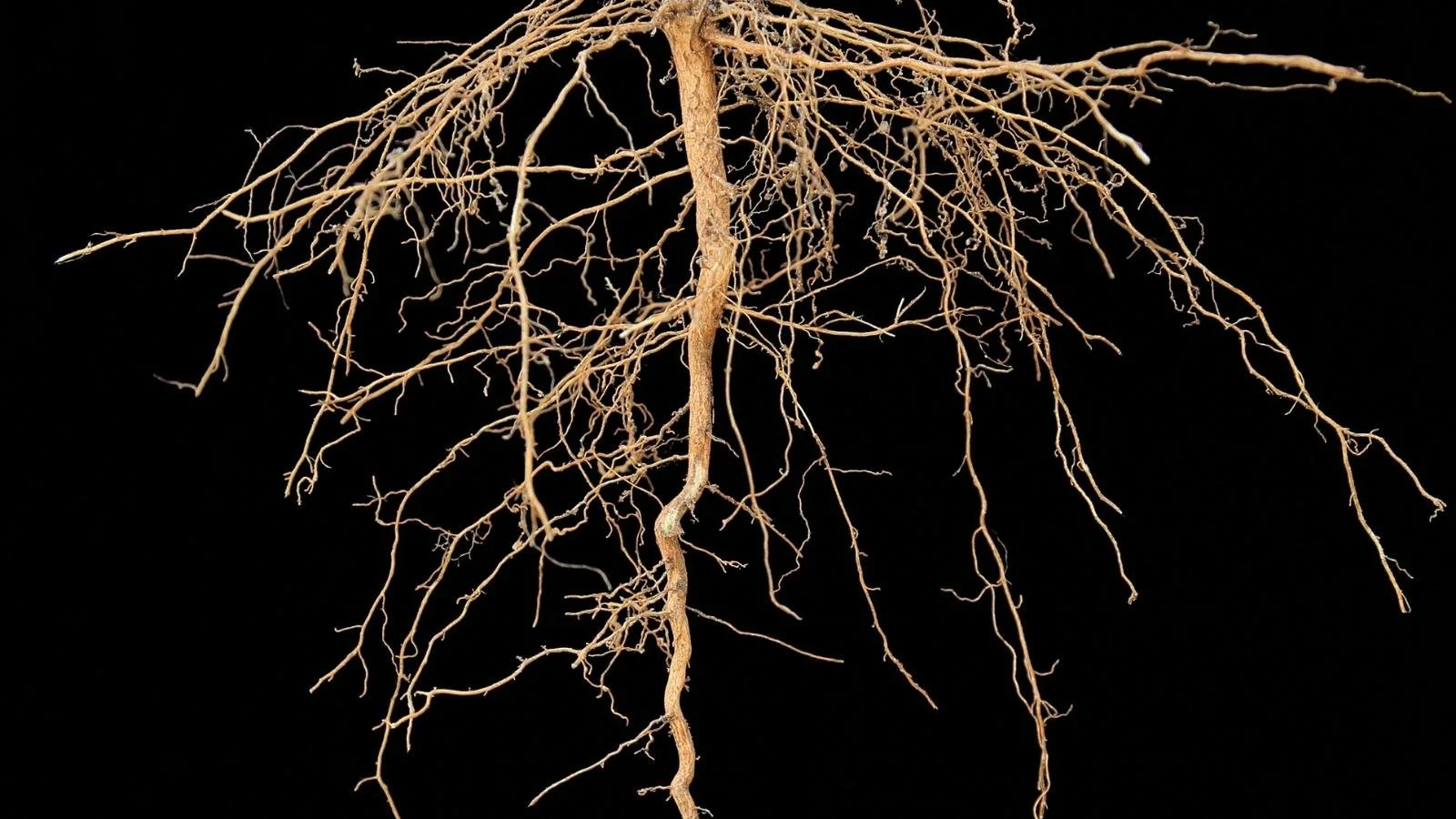
Root Development
Understanding how plants explore the soil for water and nutrients.
-
Soil Function
Understanding the environment where roots, water, nutrients and living processes interact.
-
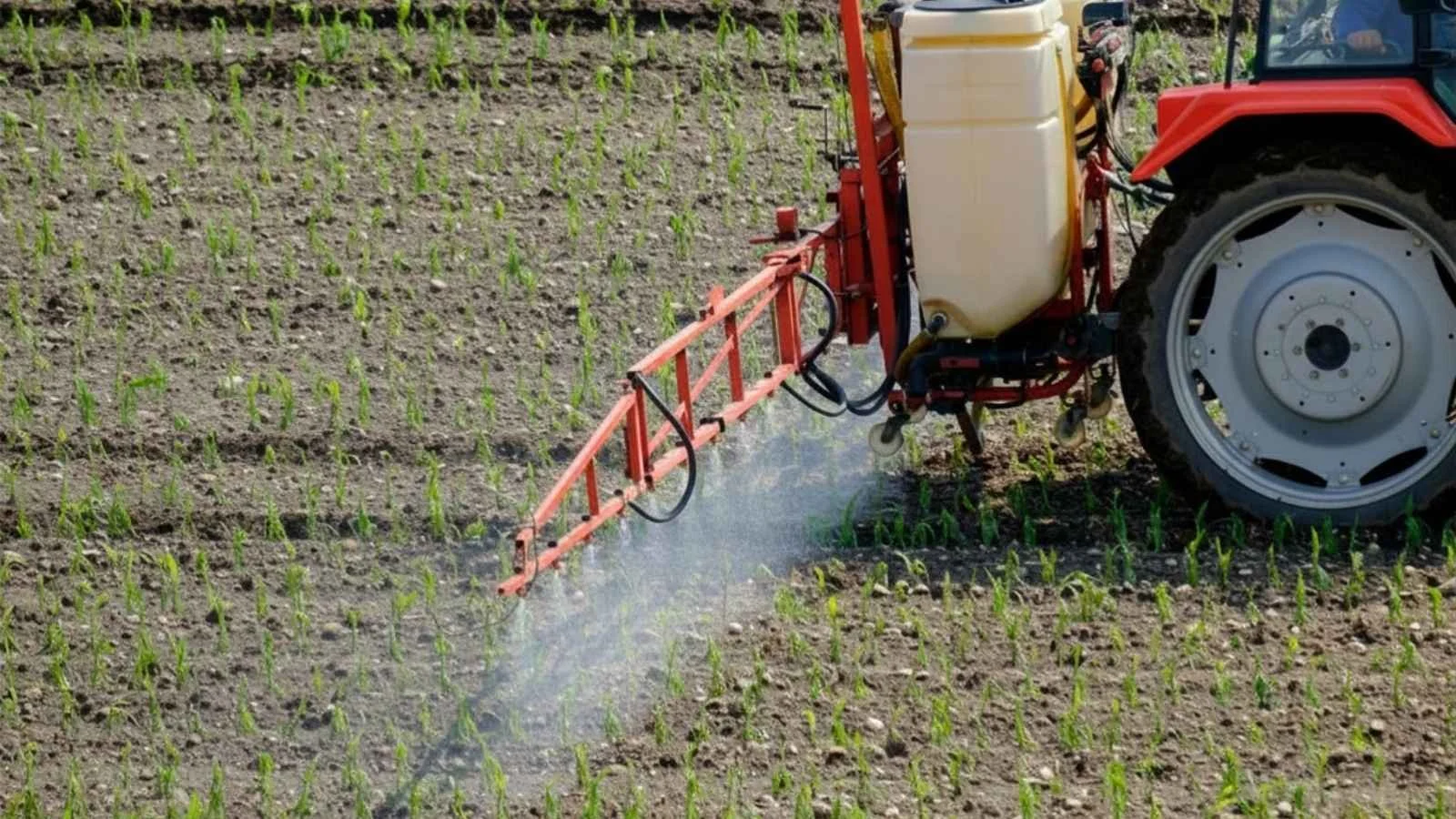
Nutrient Efficiency
Understanding how farming systems capture and use available nutrients.
-

Plant Performance
Understanding how plants convert available resources into productive growth.