
What Really Drives Farm Performance?
Helping farmers and growers understand how soil, roots, nutrients and plants work together to create stronger, more consistent farm performance.
Better Farming Starts with Better Understanding
Every farm tells you something. The challenge is learning how to read it.
Why does one paddock consistently outperform another, even when rainfall, fertiliser and management appear much the same? Why does one pasture recover more quickly after grazing? Why does one crop establish more evenly? Why does one vineyard block remain more resilient through a difficult summer?
The longer you spend farming, the more questions you collect. Some are answered in a season. Others stay with you for years.
Because no two farms are exactly the same. No two seasons are ever the same. Every decision influences the next.
Yet beneath that complexity, certain patterns begin to emerge. Understanding those patterns is often where better farming begins.
Farming Is More Connected Than It First Appears
Modern agriculture has delivered extraordinary improvements through better genetics, improved agronomy, precision technology, irrigation and smarter fertiliser programmes. Those advances remain fundamental to productive farming and have transformed what is possible.
Our goal isn't to replace modern farming practices. It's to better understand the processes that determine how effectively those practices perform.
It's easy to think about farming one decision at a time.
The next fertiliser application. The next grazing rotation. The next cultivation. The next spray. The next crop.
Those decisions matter.
But farms don't function as individual decisions. They function as connected systems.
Roots explore the soil for water and nutrients. The soil provides the physical, chemical and biological environment those roots depend on. Water moves nutrients through the soil profile. Plants convert those resources into productive growth before returning valuable organic matter back into the soil.
Every part influences the next. Improving one part of the system can create benefits elsewhere — but another constraint can still limit the response.
That is why understanding the connections matters.
Why This Matters More Than Ever
Today's farmers and growers are expected to produce more while managing rising input costs, changing weather patterns and increasing environmental expectations.
The question is no longer simply, "What should we apply?"
Increasingly, it is:
"How effectively is our farming system using what we're already applying?"
Understanding how the farming system functions has never been more important.
A Different Question
Agriculture has always been good at asking what should be added next.
More fertiliser. A different product. Another application.
Sometimes those decisions are exactly the right ones.
But over many years, another question has continued to stand out.
What if the greatest opportunity isn't adding more... but helping the farming system make better use of what's already there?
Not just the nutrients held within the soil. But the water. The root system. The soil structure. The biological activity. The natural processes that support healthy plant growth every day.
That question changes the way you look at a farm. Instead of seeing separate problems, you begin seeing relationships. And once those relationships become visible, new opportunities often appear with them.
Why DCT Takes a Broader Approach
Plant performance doesn't depend on one process alone.
A biostimulant can support root, nutrient or plant responses. But those responses still have to occur within the physical and chemical environment provided by the soil.
If soil condition is restricting root development, aeration, water movement or nutrient access, stimulating one part of the system may leave another constraint untouched.
That is why DCT products were not designed around biostimulation alone.
Many DCT formulations combine soil-conditioning functions with biostimulant, root and nutrient-efficiency functions, allowing the growing environment and the response within it to be supported together.
The principle is simple:
Address the constraint and the response at the same time.
Condition the environment. Support the response. Improve the return.
This is why DCT is better understood as a farm-performance system rather than simply a single product category.
What We've Observed
For more than twenty years we've worked alongside farmers and growers throughout New Zealand.
Every farm has been different. Every challenge has been different. There has never been a single recipe for success.
Yet some observations have remained remarkably consistent.
We've dug enough soil pits to know that some of the most important changes begin where very few people are looking. We've watched paddocks that once struggled gradually become easier to manage. We've seen root systems reach deeper into healthier soils. We've seen fertiliser programmes become more consistent as farming systems improve.
We've learnt that the biggest improvements rarely come from changing everything at once. They come from helping the whole system work a little better, season after season.
These changes don't happen overnight. They don't happen in exactly the same way on every farm. Instead, they are usually the result of many small improvements working together over time.
Healthy farming systems tend to leave familiar footprints.
Understanding Before Recommendation
One lesson has shaped the way we work from the very beginning.
Good recommendations begin with good understanding.
Before asking what should be added, it helps to understand how the farming system is functioning today.
How are the roots developing? How well is the soil functioning? How efficiently are nutrients moving through the system? How consistently are plants responding?
Those questions don't replace practical farming experience. They build on it.
Because every farm has its own story. Understanding that story is often the first step towards improving it.
The DCT Farm Performance Framework
While every farm is different, we've found it helpful to think about farm performance through four connected foundations.
Not because they explain everything. But because they consistently influence how the farming system functions.
🌱 Root Development
Strong root systems improve access to water and nutrients while supporting resilience through changing conditions.
🌍 Soil Function
Healthy soils provide the physical, chemical and biological environment where roots, nutrients, water and biology work together effectively.
💧 Nutrient Efficiency
Helping the farming system make better use of the resources already within it improves efficiency, reduces losses and increases the return from existing inputs.
🌿 Plant Performance
When roots, soil and nutrients work together effectively, plants are better equipped to convert available resources into consistent productive growth.
Together these four foundations provide a practical framework for understanding how farming systems function over time.
Every Investment Deserves To Deliver Its Full Value
Every farm already makes significant investments.
Fertiliser. Seed. Water. Labour. Machinery. Genetics. Management.
The return from those investments depends on what happens after they are applied.
A nutrient only creates value when plants can access and utilise it.
Water only creates value when soil and roots can capture, store and supply it.
Healthy plants only create value when the farming system provides the conditions they need to perform.
Improving farm performance is not always about increasing investment.
Often, it is about helping every investment deliver its greatest value.
Why We Think This Way
For more than twenty years we've been asking a simple question.
What helps farming systems perform at their best?
That question has taken us into research. Into manufacturing. Into field observations. Into independent trials. Into thousands of conversations with farmers and growers.
It has shaped the products we develop. The framework you'll find throughout this website. And the way we work alongside our customers.
We don't believe products should replace understanding. We believe they should support it.
Our role is to help farmers and growers better understand how their farming systems function, then provide practical solutions that support long-term performance.
We've Never Stopped Asking Why
More than twenty years of observation, research and practical experience have shaped the way we think today.
They've given us confidence in the products we manufacture, the framework we use and the advice we share.
At the same time, farming has a way of reminding us that there is always more to learn.
Every season reveals another observation. Every farm offers another perspective. Every new insight helps us better understand how farming systems work.
That's why we continue to observe. We continue to test. We continue to refine.
Because better understanding leads to better decisions.
Better decisions build better farming systems.
And that's why we've never stopped asking why.
Continue Exploring the Four Foundations of Farm Performance
-
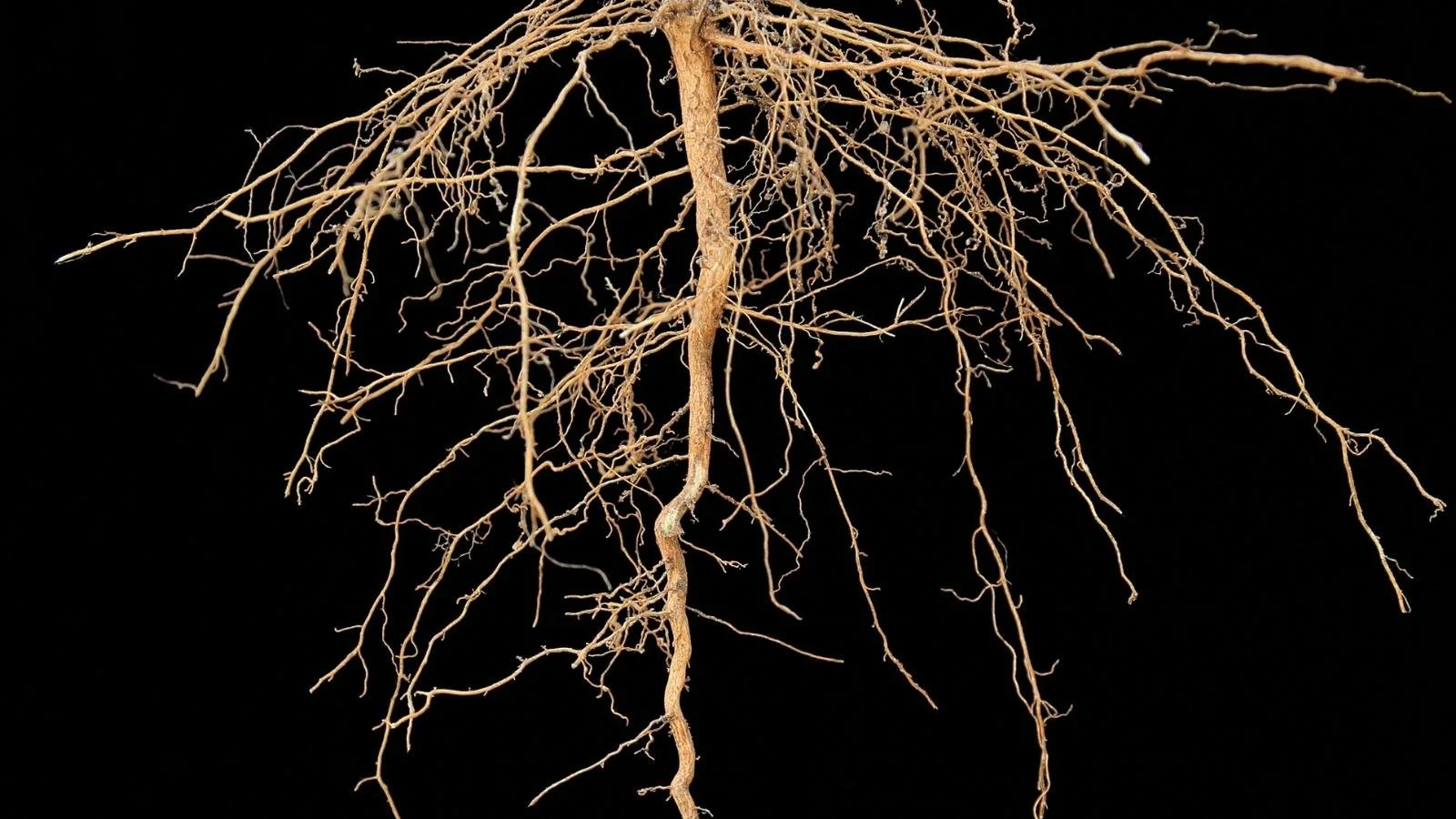
Root Development
Understanding how plants explore the soil for water and nutrients.
-

Soil Function
Understanding the environment where roots, water, nutrients and living processes interact.
-
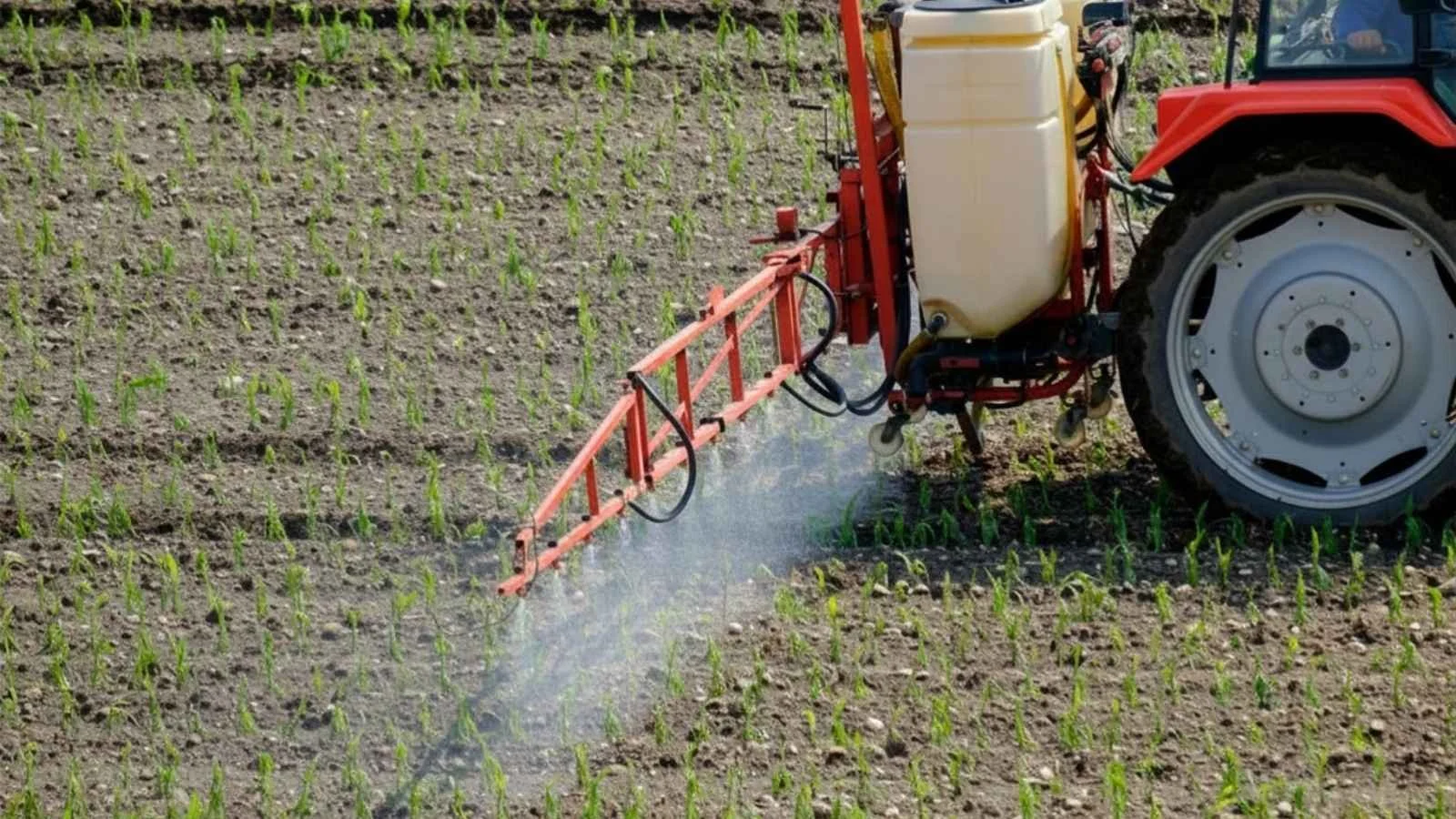
Nutrient Efficiency
Understanding how farming systems capture and use available nutrients.
-
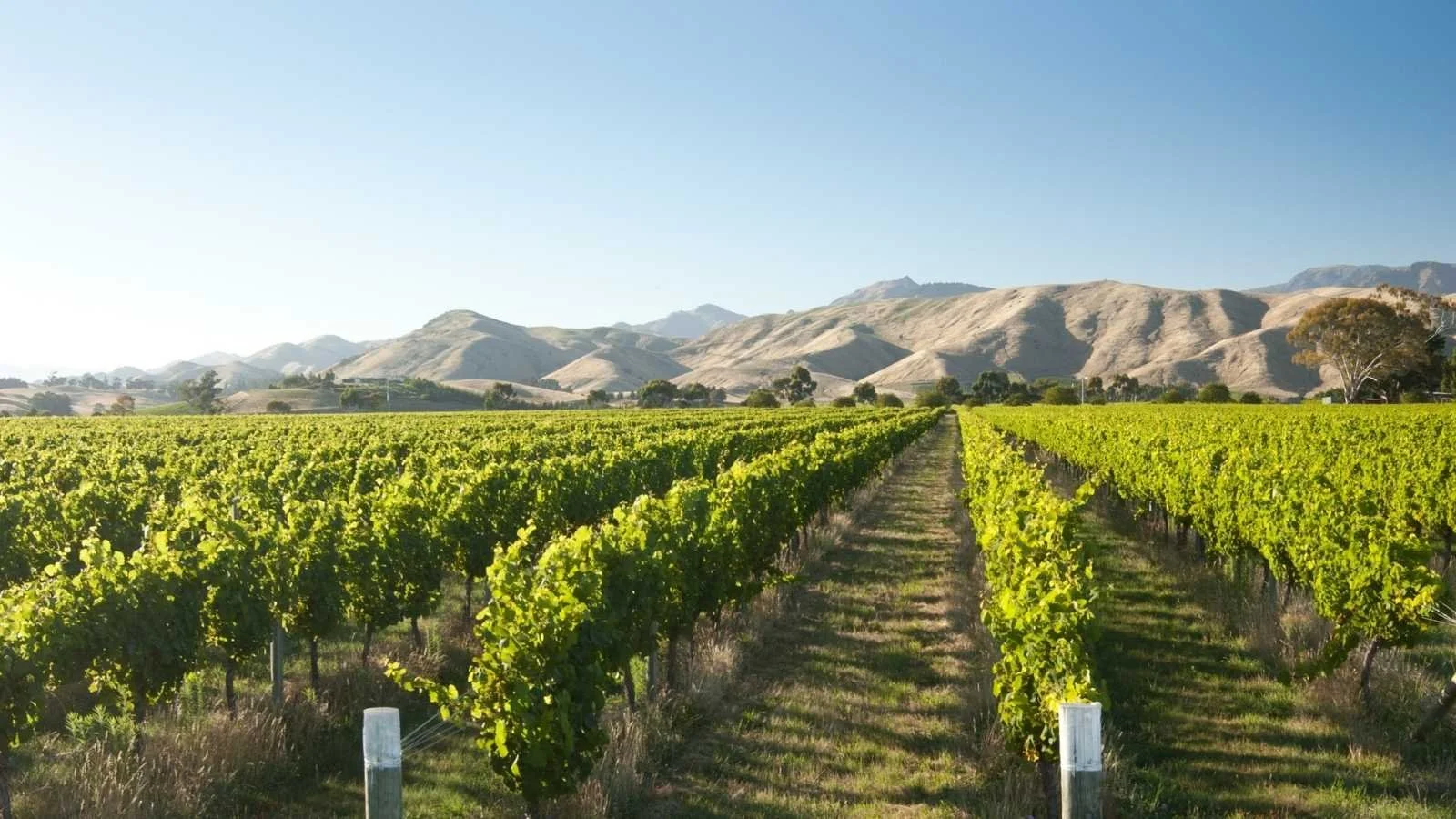
Plant Performance
Understanding how plants convert available resources into productive growth.