Natural Suppression of Pasture Pests — Science Explained
The findings and principles presented here are based on internationally and locally published research, drawing on peer-reviewed studies and well-established soil science. They reflect scientifically credible evidence and proven principles.
Abstract
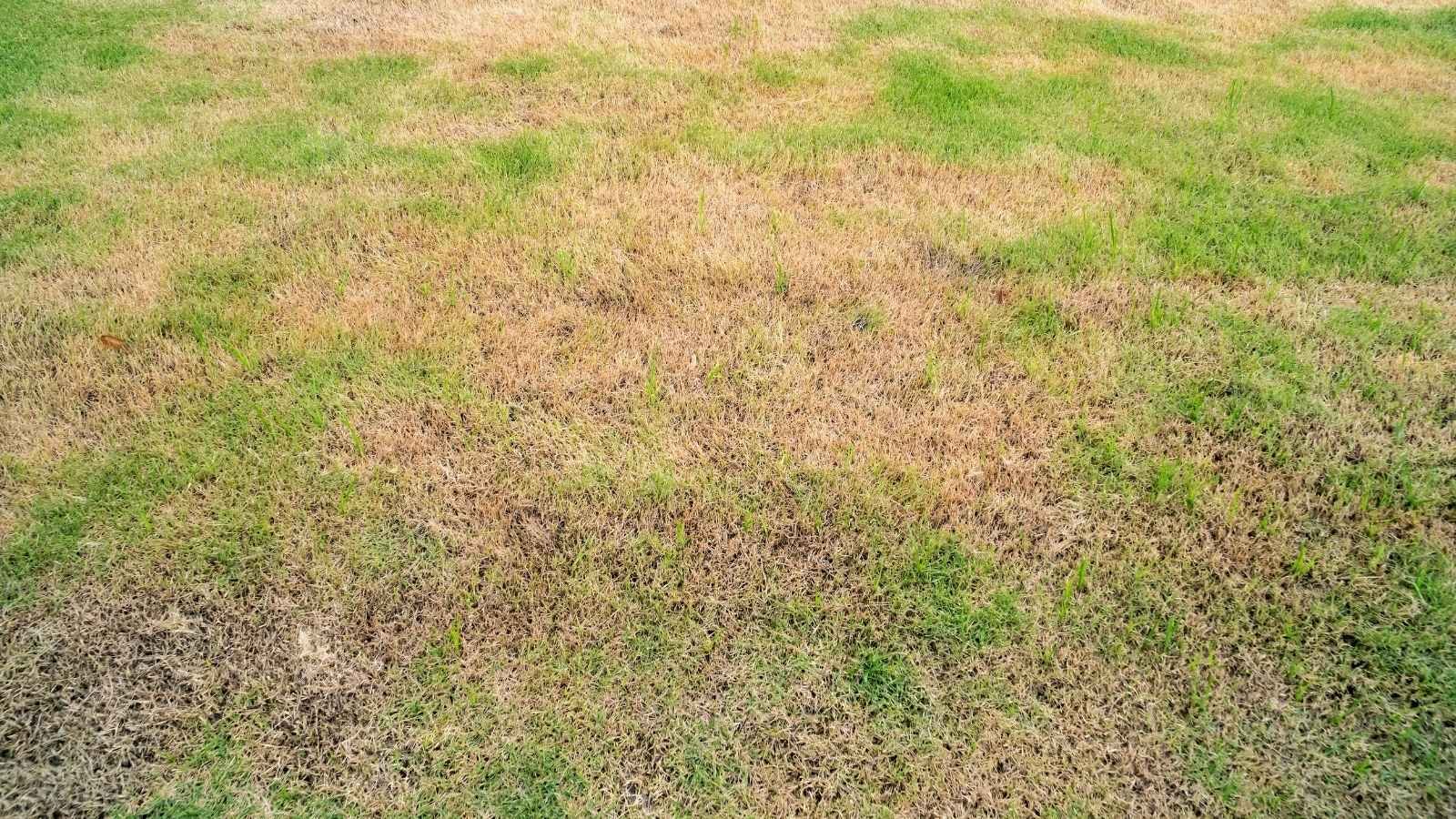
Pasture systems in New Zealand are frequently affected by soil-dwelling insect pests, particularly larvae of the grass grub Costelytra giveni and porina caterpillars belonging to the moth genus Wiseana.
Research in pasture entomology demonstrates that pest populations are strongly influenced by ecological processes within soil systems, including microbial pathogens, entomopathogenic fungi, nematode predators, plant resilience, and soil physical conditions.
DCT soil amendments contain biologically active compounds including humic substances, fulvic acids, seaweed-derived bioactive compounds, and soluble nutrients designed to influence soil biological and chemical processes.
This paper reviews current scientific literature on soil ecological processes relevant to natural insect suppression and examines the potential mechanisms through which DCT formulations may influence soil biological dynamics associated with pasture pest regulation.
While individual mechanisms described in this review are well documented in soil science literature, direct experimental studies measuring the impact of DCT amendments on pasture pest populations have not yet been conducted.
1. Introduction — Pasture Pest Pressure in New Zealand
Pasture production across New Zealand is affected by several insect pests that damage pasture plants during their larval stages.
Two of the most economically significant species are:
the grass grub Costelytra giveni
porina caterpillars from the genus Wiseana
Grass grub larvae feed on pasture roots, while porina caterpillars consume foliage at the soil surface. Both pests can cause pasture thinning, reduced productivity, and significant costs associated with pasture renovation.
Studies of grass grub population dynamics in New Zealand have shown that pest outbreaks are influenced not only by insect life cycles but also by biological interactions occurring within soil ecosystems. These interactions include microbial pathogens, parasitic organisms, soil microbial community dynamics, and plant health.
Understanding these ecological processes provides a framework for evaluating how soil amendments such as DCT formulations may influence pest–soil interactions.
2. Natural Microbial Pathogens of Soil Insects
Soil ecosystems naturally contain microorganisms capable of infecting and killing insect larvae.
One of the most extensively studied examples in New Zealand is the bacterium:
Serratia entomophila
This bacterium infects larvae of the grass grub Costelytra giveni and causes a disease known as amber disease.
Infected larvae:
cease feeding
develop a characteristic amber coloration
eventually die due to starvation.
Field surveys have demonstrated that Serratia entomophila occurs naturally in some pasture soils and can contribute to population declines in grass grub outbreaks.
In addition to bacterial pathogens, soils may contain entomopathogenic fungi capable of infecting soil insects, including:
Metarhizium anisopliae
Beauveria bassiana
These fungi infect insects through the cuticle, proliferate inside the host, and ultimately cause mortality.
The presence and activity of these organisms contributes to the natural biological regulation of insect populations in soil ecosystems.
3. Entomopathogenic Nematodes and Soil Predators
Soils also contain microscopic predators capable of infecting insect larvae.
Among the most widely studied are entomopathogenic nematodes belonging to the genera:
Steinernema
Heterorhabditis
These nematodes enter insect hosts through natural body openings and release symbiotic bacteria that multiply rapidly within the insect, killing the host within several days.
The survival and effectiveness of these organisms are strongly influenced by soil conditions including:
soil moisture
soil organic matter
soil structure
microbial activity.
Healthy soil ecosystems therefore support complex biological networks that can contribute to natural pest suppression.
4. Soil Microbial Communities and Suppressive Soils
Soil ecology research has identified the concept of biologically suppressive soils, in which microbial communities limit the impact of pests or pathogens.
Suppressive soils function through several mechanisms:
microbial competition
production of antimicrobial compounds
increased parasitism and predation
disruption of pest life cycles.
High microbial diversity and activity are commonly associated with soils that show greater resilience to biological stresses.
Although suppressive soils are most commonly studied in relation to plant diseases, similar ecological principles may apply to soil-dwelling insect pests.
5. Influence of DCT Soil Amendments on Soil Microbiology
DCT soil formulations combine several biologically active components including:
humic substances
fulvic acids
seaweed-derived bioactive compounds
soluble mineral nutrients.
These compounds interact with soil systems through biological, chemical, and biochemical processes.
Research on humic substances demonstrates that they can:
stimulate microbial metabolism
increase microbial biomass
influence bacterial community composition.
Certain soil microorganisms are capable of using humic substances as electron donors in metabolic processes, demonstrating that humic compounds can directly influence microbial activity in agricultural soils.
Because insect-pathogenic organisms such as Serratia entomophila exist within broader soil microbial communities, changes in microbial activity or diversity may influence the ecological conditions that affect these organisms.
6. Seaweed-Derived Bioactive Compounds and Rhizosphere Dynamics
Seaweed extracts contain biologically active compounds including:
polysaccharides
amino acids
plant signalling molecules.
These compounds have been widely studied for their ability to:
stimulate plant root growth
enhance plant stress tolerance
influence rhizosphere microbial activity.
Changes in plant root systems and rhizosphere chemistry can influence microbial populations surrounding plant roots, potentially contributing to shifts in soil biological activity.
7. Organic Amendments and Entomopathogenic Fungi
Studies in soil ecology have shown that organic amendments can influence fungal communities within soils.
In some cases, soils receiving organic amendments demonstrate increased fungal biomass and enhanced activity of entomopathogenic fungi such as:
Metarhizium anisopliae
Beauveria bassiana
These effects are often attributed to:
increased organic carbon availability
improved microbial habitat conditions
enhanced microbial diversity.
While these studies do not specifically examine DCT formulations, they demonstrate that biologically active soil amendments can influence microbial groups associated with natural insect suppression.
8. Plant Health and Root System Resilience
Pasture resilience to insect feeding is influenced by plant health and root development.
Biostimulant compounds present in DCT formulations, including humic substances and seaweed-derived compounds, have been shown in numerous studies to:
stimulate root growth
enhance nutrient uptake
improve plant tolerance to environmental stress.
Improved root systems may allow plants to better tolerate moderate levels of root feeding by soil insects, reducing the visible impact of pest pressure in pasture systems.
9. Soil Physical Conditions and Pest Survival
Soil physical conditions also influence the survival and development of soil-dwelling insect larvae.
Grass grub and porina larvae depend on soil environments that provide:
suitable moisture levels
access to plant roots
adequate oxygen availability
stable soil structure.
Soil amendments that influence aggregation, porosity, or biological activity can alter these environmental conditions and may indirectly influence insect survival.
10. Integrated Ecological Perspective
Pasture pest populations are influenced by multiple interacting ecological processes within soil ecosystems, including:
microbial pathogens
entomopathogenic fungi
nematode predators
plant resilience and root health
soil structure and moisture dynamics.
DCT soil formulations contain biologically active compounds capable of influencing soil microbial activity, plant growth, and rhizosphere dynamics.
Through these interactions, DCT amendments may contribute to soil conditions that support the natural ecological processes involved in pest regulation.
11. Research Gaps and Future Investigation
Although the ecological mechanisms discussed in this review are well documented individually, direct experimental studies measuring the effects of DCT soil amendments on pasture pest populations have not yet been conducted.
Future research could include:
monitoring soil microbial communities following DCT application
measuring populations of insect-pathogenic bacteria and fungi
controlled field trials measuring grass grub and porina densities.
Such studies would provide valuable insights into the role that soil biological management may play in supporting natural pest suppression within pasture ecosystems.

Get started today.
References
New Zealand Grass Grub Biology and Pathogens
Jackson, T. A. (1990). Biological control of grass grub in Canterbury. Proceedings of the New Zealand Grassland Association, 52, 217–220.
O’Callaghan, M., & Jackson, T. A. (1993). Isolation and enumeration of Serratia entomophila from New Zealand grassland soils. Journal of Applied Bacteriology, 75(4), 307–314.
Hurst, M. R. H., Glare, T. R., Jackson, T. A., & O’Callaghan, M. (2007). Expression of Serratia entomophila toxin complex proteins active against the New Zealand grass grub. FEMS Microbiology Letters, 275(1), 160–167.
Johnson, V. W., Pearson, J. F., & Jackson, T. A. (2001). Formulation of Serratia entomophila for biological control of grass grub. New Zealand Plant Protection, 54, 125–127.
Townsend, R. J., Jackson, T. A., Ferguson, C. M., Proffitt, J. R., Slay, M., Swaminathan, J., Day, S., Gerard, E., O’Callaghan, M., & Johnson, V. (2004). Establishment of Serratia entomophila after application of a new formulation for grass grub control. New Zealand Plant Protection, 57, 310–313.
McNeill, M. R., Croy, R. G., van Koten, C., & Shi, S. (2023). Timing is everything: Improving predictions of winter New Zealand grass grub densities and associated damage from summer and autumn larval counts. New Zealand Plant Protection, 76, 29–34.
Soil Microbial Ecology and Suppressive Soils
Cook, R. J., & Baker, K. F. (1983). The nature and practice of biological control of plant pathogens. St. Paul, MN: American Phytopathological Society.
Humic Substances and Soil Microbial Activity
Van Trump, J. I., Wrighton, K. C., Thrash, J. C., Weber, K. A., Andersen, G. L., & Coates, J. D. (2011). Humic acid-oxidizing, nitrate-reducing bacteria in agricultural soils. mBio, 2(5), e00044-11.
Canellas, L. P., & Senesi, N. (2015). Agricultural applications of humic substances. Chemical and Biological Technologies in Agriculture, 2(1), 1–16.
Seaweed Biostimulant Research
Du Jardin, P. (2015). Plant biostimulants: Definition, concept, and regulation. Scientia Horticulturae, 196, 3–14.
Entomopathogenic Fungi
Vega, F. E., & Kaya, H. K. (2012). Insect pathology (2nd ed.). London, UK: Academic Press.
Entomopathogenic Nematodes
Kaya, H. K., & Stock, S. P. (1997). Techniques in insect nematology. In L. A. Lacey (Ed.), Manual of techniques in insect pathology (pp. 281–324). San Diego, CA: Academic Press.
Soil Biology and Ecosystem Function
Coleman, D. C., Crossley, D. A., & Hendrix, P. F. (2004). Fundamentals of soil ecology (2nd ed.). San Diego, CA: Academic Press.