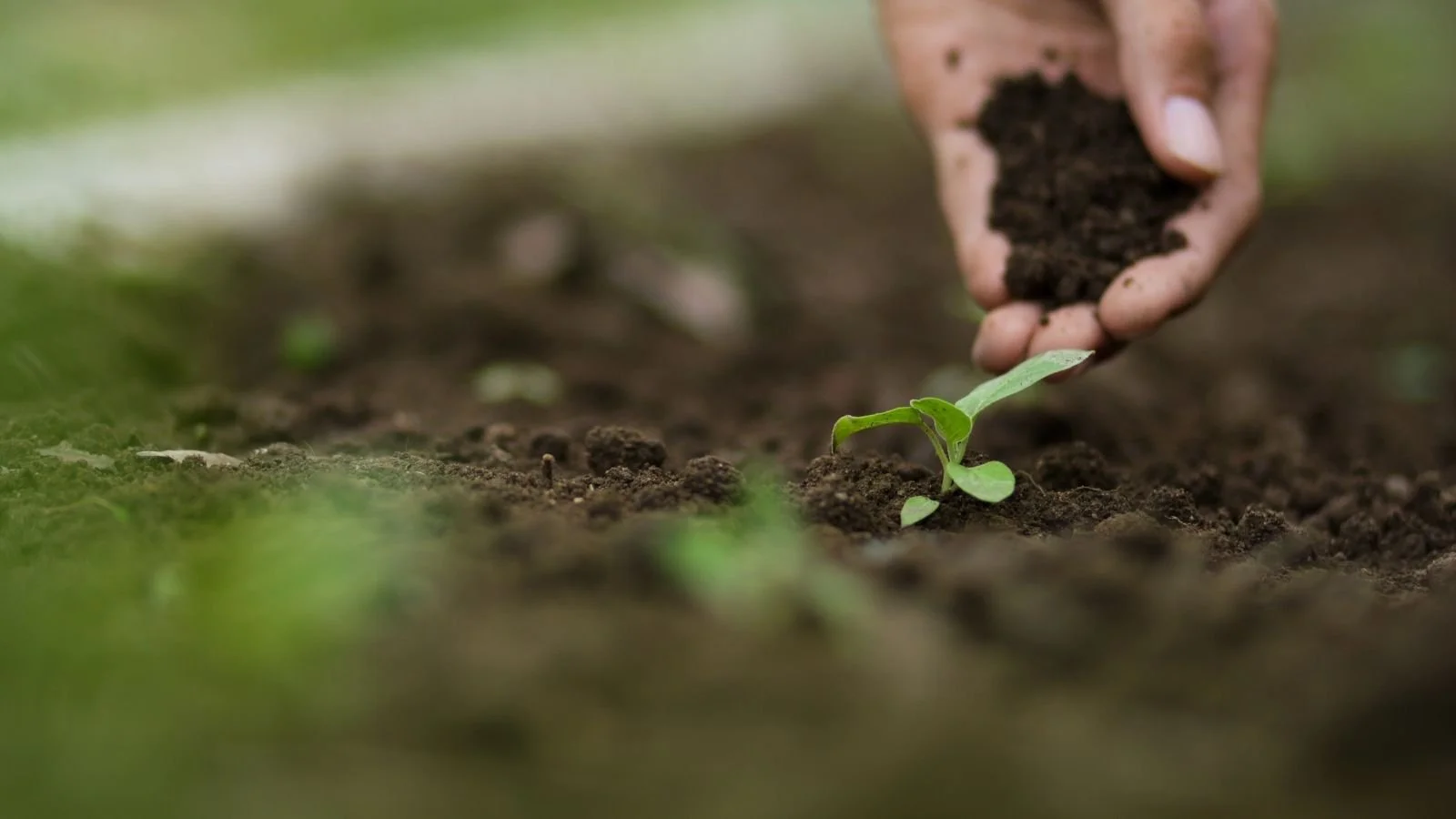
Low Soil Biology / “Dead Soil” in NZ Gardens
How a lack of living microbes affects your plants — and what gardeners can do
What Is Low Soil Biology?
Soil biology refers to the microorganisms, fungi, and beneficial bacteria that live in your garden soil. These tiny life forms are essential for:
Breaking down organic matter
Recycling nutrients
Supporting root growth
Improving soil structure
When soils lack biology — often called “dead soil” — plants rely heavily on fertiliser and are more vulnerable to stress, disease, and poor growth.
Common Signs Gardeners Notice
Plants require constant feeding to survive
Poor recovery after stress, pruning, or transplanting
Slow growth and low flowering or fruiting
Soil that looks lifeless: little earthworm activity, crusty or compacted
New plantings struggling despite good care
If your garden shows these signs, the issue is likely low soil biology, not just nutrients or water.
Why Soil Biology Declines in NZ Gardens
Synthetic fertiliser overuse: High chemical inputs reduce microbial diversity
Excessive digging or tilling: Disturbs soil structure and microbial communities
Poor compost quality: Compost without active microbes won’t rebuild soil life
Urban gardening or new builds: Soils may start sterile or heavily disturbed
Environmental stress: Drought, waterlogging, or extreme weather reduces microbial activity
How Gardeners Typically Respond
Many gardeners try to fix this by:
Adding more fertiliser or minerals
Digging in compost occasionally
Replanting with “hardier” species
While these can help in the short term, they don’t rebuild soil life. Without active microbes, nutrients remain tied up, water moves poorly, and plants remain stressed.
How Our Products Help
Our products are designed to feed and support soil life, naturally improving soil health:
🌱 Lazerhume — Soil-First Support
Best for: rebuilding soil structure and microbial diversity
Why gardeners choose it: Provides carbon to feed microbes, encourages healthy nutrient cycling, and strengthens soil biology over time.
🥕 DCT Garden — Soil + Gentle Nutrition
Best for: vegetable beds, flowers, and fruit trees
Why gardeners choose it: Supports microbes while giving plants gentle nutrition, helping them thrive even in soils that have lost life.
🌿 DCT Lawn — Soil Support for Lawns
Best for: lawns that have become compacted or lifeless
Why gardeners choose it: Feeds microbial activity in turf soils, improving root development and lawn resilience.
What You’ll See in Your Garden
Increased worm and microbial activity in soil
Plants grow stronger with less fertiliser
Better stress resilience during drought or wet periods
Improved flowering, fruiting, and lawn quality
By rebuilding soil life, plants become more self-sufficient, reducing frustration and time spent feeding and watering.
When This Problem Is Most Likely
Areas with long-term fertiliser use
Urban gardens or new builds
Gardens with poor compost history
Beds or lawns that have been heavily dug or disturbed
If your soil is lifeless, slow to respond, or needs constant feeding, it’s likely suffering from low soil biology.
Want to check other common garden problems and solutions?
➡️ Explore all Garden Problems
Similar Problems Gardeners Often See
Compacted or Lifeless Soils — poor structure limits microbial activity
Poor Root Development — roots struggle in biologically inactive soils
Nutrient Lock-Up in Garden Soils — dead soils can tie up nutrients