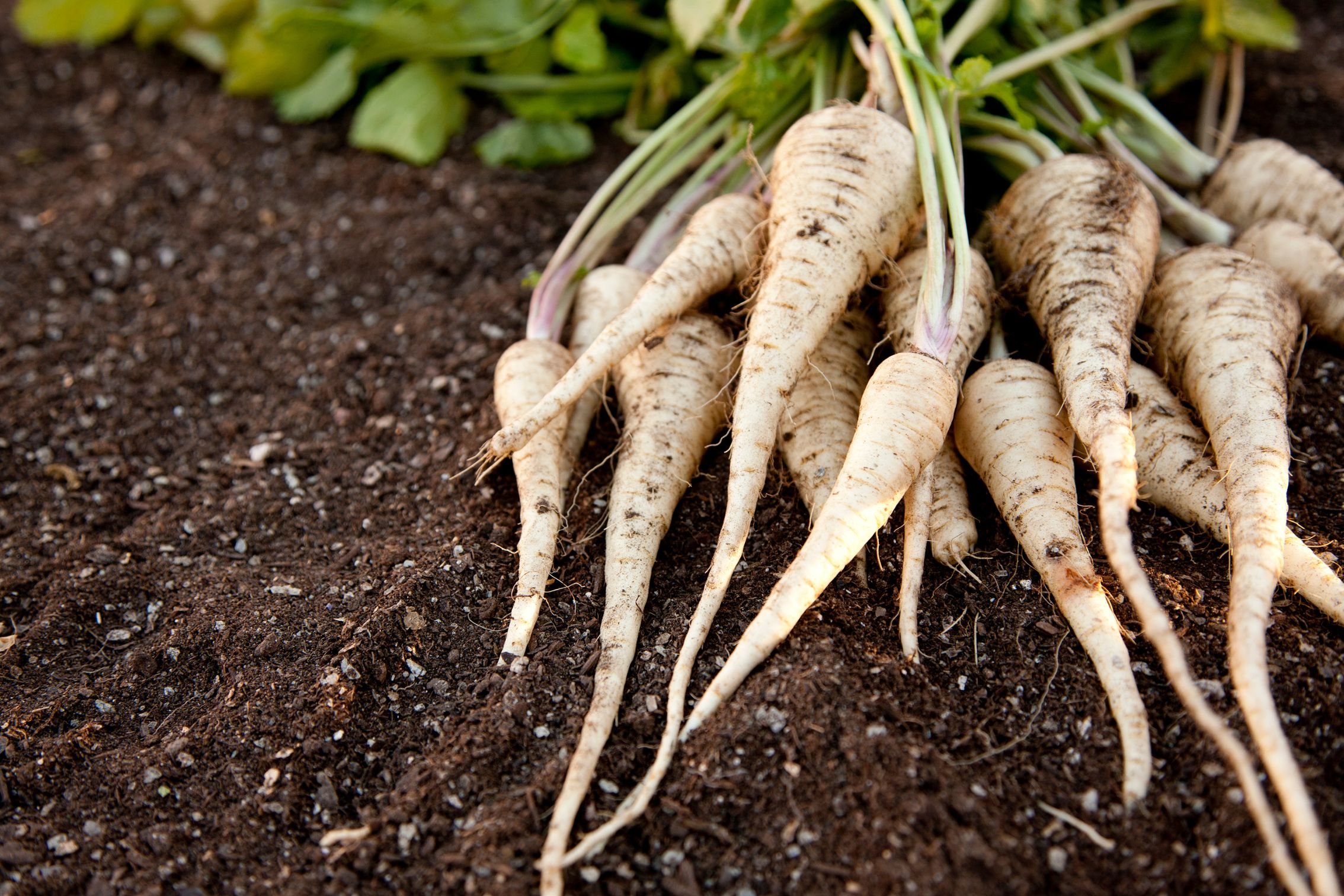
How to Grow Parsnips in New Zealand: Complete Growing Guide
Parsnips are a rewarding vegetable to grow in a New Zealand home garden. Their sweet, earthy flavour improves after cooler weather, making them a popular winter crop.
While parsnips are relatively easy to grow, the quality of the harvest depends heavily on soil condition. Loose, healthy soil allows roots to grow long, smooth, and well-shaped.
Successful parsnip growing comes down to a few key factors: deep soil preparation, healthy roots, consistent moisture, and balanced nutrition.
Whether you are growing parsnips in traditional garden beds, raised gardens, or larger containers, this guide covers everything you need to know about growing healthier parsnips in New Zealand conditions.
Quick Parsnip Growing Guide
| Factor | Recommendation | Why it matters |
|---|---|---|
| Sunlight | 6+ hours of sunlight daily | Supports healthy leaf growth and strong root development |
| Soil | Deep, loose, well-drained soil | Allows roots to grow long and straight without restriction |
| Planting Time | Spring through early summer | Provides a long growing season before winter harvest |
| Watering | Keep soil consistently moist during establishment | Supports even germination and steady root development |
| Feeding | Provide balanced nutrition throughout growth | Supports healthy foliage and quality root production |
| Spacing | Thin seedlings to allow room for roots to expand | Reduces competition and improves root size and shape |
| Harvest Time | Approximately 4–6 months after planting | Cooler weather can improve sweetness and flavour |
When to Plant Parsnips in New Zealand
| Region | Planting Window | Growing Notes |
|---|---|---|
| Northland | March – September | Mild conditions allow flexible planting, avoiding extreme summer heat |
| Auckland | March – August | Best results come from autumn and spring plantings |
| Waikato | September – January | Spring planting provides a long growing period |
| Bay of Plenty | March – September | Cooler months support good root development |
| Hawke’s Bay | September – January | Plant into well-prepared soil for winter harvests |
| Wellington | September – January | Protect young plants from cold winds during establishment |
| Nelson / Tasman | September – January | Excellent conditions for long-season root crops |
| Canterbury | September – January | Spring planting allows roots to develop before winter |
| Otago | September – December | Plant during the warmer months for best establishment |
Choosing the Right Location
Parsnips grow best in a sunny position with deep, fertile soil.
Choose a location with:
Full sun or 6+ hours of sunlight daily
Deep, loose soil
Good drainage
Protection from extreme conditions
Because parsnips develop underground, soil depth and structure are extremely important. Heavy or compacted soil can restrict root growth and cause smaller or misshapen roots.
Preparing Soil for Parsnips
Healthy soil is the foundation of quality parsnips.
Parsnips prefer soil that allows roots to grow deeply without restriction.
Before planting:
Loosen soil deeply.
Remove stones or compacted areas.
Add organic matter where needed.
Improve drainage.
Avoid using fresh manure immediately before planting, as this can encourage branching and misshapen roots.
A well-prepared soil environment helps parsnips develop longer, smoother roots.
Planting Parsnips
For best results:
Prepare deep, loose soil.
Sow seeds directly into the garden.
Keep soil consistently moist during germination.
Thin seedlings to provide enough growing space.
Allow plants time to mature.
Parsnips can take several weeks to germinate, so patience and consistent moisture are important during establishment.
Feeding Parsnips for Better Root Development
Parsnips need healthy leaves to capture energy, but the main goal is strong root development.
Good parsnip production depends on:
Healthy soil structure
Strong root growth
Available nutrients
Consistent moisture
Balanced nutrition helps support steady plant development without encouraging excessive leafy growth at the expense of the root.
Why Root Health Matters
For root crops like parsnips, the growing environment below the soil surface is critical.
Healthy roots help plants:
✓ Access nutrients efficiently
✓ Use water effectively
✓ Develop longer, stronger roots
✓ Handle environmental stress
✓ Produce better quality harvests
Supporting soil health creates the conditions parsnips need to thrive.
Recommended Product for Parsnips
DCT Garden
DCT Garden is our recommended product for growing parsnips.
Designed to support soil health, root development, and nutrient availability, DCT Garden helps create the conditions parsnips need for strong growth and quality root production.
DCT Garden supports:
✓ Healthy root development
✓ Improved soil condition
✓ Better nutrient availability
✓ Stronger plant growth
✓ Improved resilience during stressful conditions
The combination of soil-conditioning compounds, seaweed extract, and nitrogen helps support parsnips through establishment, leafy growth, and root development.
Used regularly during the growing season, DCT Garden helps gardeners achieve healthier plants and better parsnip harvests.
Common Parsnip Growing Problems
Why Are My Parsnips Small?
Small parsnips can be caused by:
Poor soil preparation
Crowded plants
Limited nutrients
Dry growing conditions
Short growing periods
Giving roots enough space and creating good soil conditions helps improve size and quality.
Why Are My Parsnips Forked or Misshapen?
Forked parsnips are often caused by:
Stones in the soil
Compacted soil
Fresh manure
Root damage during growth
Deep, loose soil allows roots to grow more naturally.
Why Are My Parsnips Woody?
Parsnips can become woody when:
They are harvested too late
They experience growing stress
Conditions are too dry
Harvesting at the right stage and maintaining healthy growth helps improve texture.
Why Are My Parsnip Seeds Not Germinating?
Parsnip seeds can be slow to germinate.
Common causes include:
Dry soil
Old seed
Poor seed-to-soil contact
Cold conditions
Keeping soil consistently moist during germination improves results.
Harvesting Parsnips
Parsnips are usually harvested after several months of growth.
Many gardeners prefer harvesting after cooler weather because frost can help improve sweetness.
For best results:
Harvest once roots have reached a useful size.
Loosen soil carefully before pulling.
Leave some roots in the ground for winter harvesting where conditions allow.
Frequently Asked Questions
When Should I Plant Parsnips in New Zealand?
Parsnips are generally planted during spring and summer for autumn and winter harvesting.
How Long Do Parsnips Take to Grow?
Parsnips are a slow-growing crop and usually take around 4–6 months to mature.
Can Parsnips Be Grown in Pots?
Yes, but containers need to be deep enough to allow roots to develop properly.
Do Parsnips Like Full Sun?
Yes. Parsnips perform best in full sun with deep, well-drained soil.
Final Thoughts
Growing great parsnips starts below the soil surface.
Healthy soil, strong roots, consistent moisture, and balanced nutrition all contribute to better root development and higher-quality harvests.
By focusing on soil health and plant performance, you can enjoy sweet, homegrown parsnips throughout the cooler months.
Want to grow more from your garden?
Explore our complete New Zealand Growing Guides for planting advice, seasonal tips, and practical information to help you grow healthier plants.