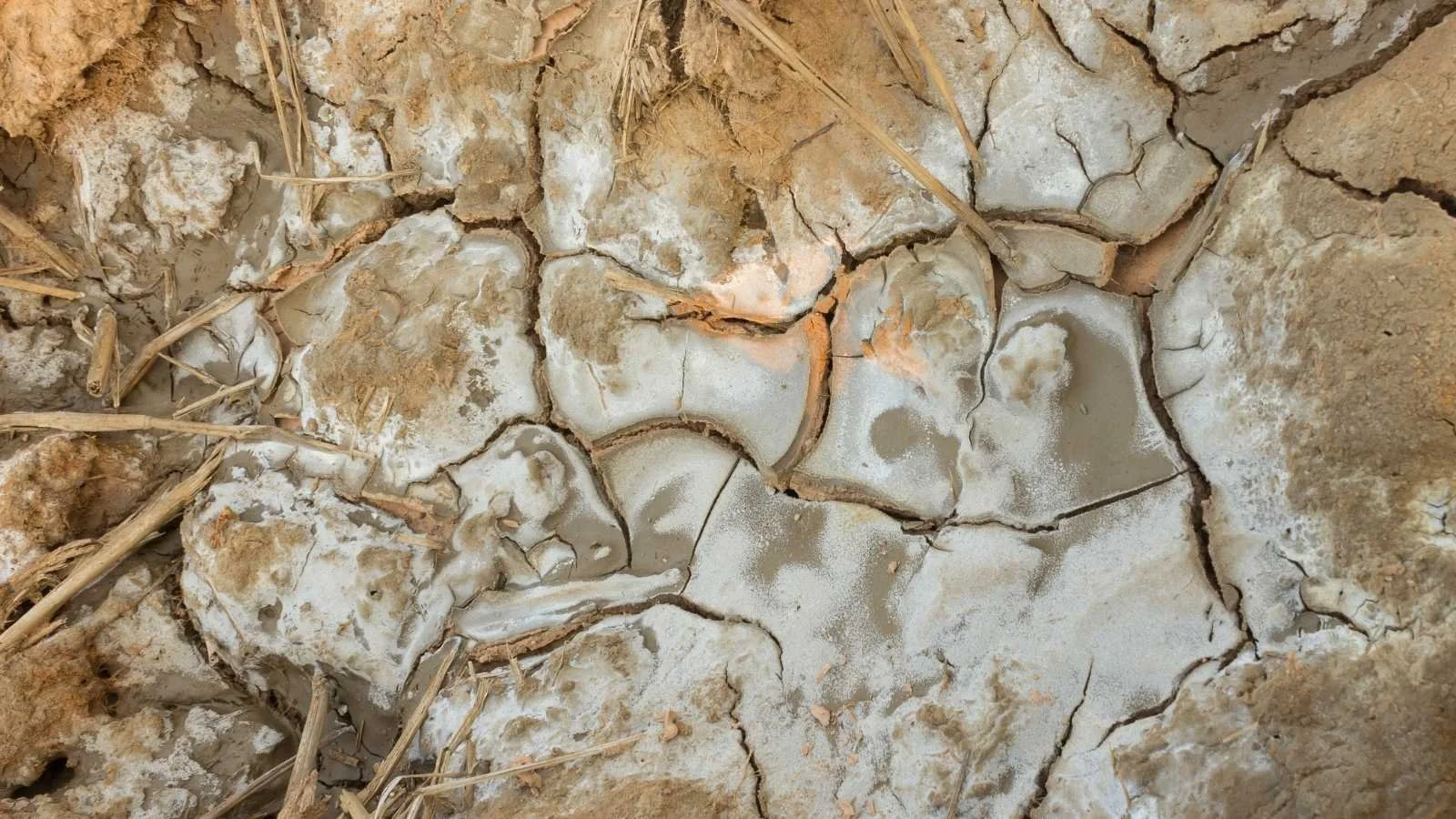
Salt-Affected Soils
Field Results & Agronomic Interpretation
Improving soil function and plant response over time.
Salt accumulation in soils can restrict water uptake, impair root function, and reduce pasture or crop performance. In some farming systems, elevated sodium levels develop gradually and are often identified only once soil structure and plant response begin to decline.
Field observations using DCT products have shown meaningful changes in soil sodium levels over time, alongside improvements in overall soil function and plant response.
Field observation summary
Soil testing conducted over multiple seasons showed a progressive reduction in measured soil sodium levels where DCT products were used consistently as part of a broader soil management programme.
Initial soil testing indicated elevated sodium levels that exceeded commonly accepted agronomic thresholds.
After one year, follow-up testing showed a clear reduction in soil sodium concentration.
After two years, sodium levels continued to decline, moving closer to a functional range for productive soils.
These changes were observed alongside improvements in soil condition and plant performance, suggesting improved soil function rather than a short-term chemical effect.
Evidence context
Important context
These observations are based on field soil testing and monitoring over time. While outcomes align with established agronomic principles, results will vary depending on soil type, climate, management history, drainage, and application approach.
The outcomes described here should be viewed as supportive evidence, not guaranteed results.
Agronomic interpretation
How this fits with known soil science
Salt-affected soils typically suffer from more than just elevated sodium levels. Excess sodium influences:
Soil structure and aggregation
Water infiltration and drainage
Root zone aeration
Nutrient availability and uptake
From an agronomic perspective, reducing the impact of sodium in soil is closely linked to improving overall soil function. Supporting biological activity, root growth, and nutrient cycling helps encourage downward movement of salts through the soil profile while reducing their concentration in the active root zone.
Improved soil structure also plays a role, allowing water to move more freely through the profile rather than pooling or evaporating at the surface, where salts can accumulate.
Where this fits in the farming system
These results were achieved as part of an integrated soil and pasture management approach.
Biological support products do not replace good agronomic practice, drainage management, or nutrient planning. Instead, they work alongside these practices to support soil processes that influence long-term soil resilience and function.
In salt-affected situations, this system-based approach helps soils respond more effectively to rainfall, irrigation, and normal farming operations over time.
Products used in the system
The following products were used to support soil function and plant response in salt-affected conditions:
Lazerhume
Supports soil biological activity and nutrient cycling, contributing to improved soil structure and root zone function.
Restore
Provides additional biological support in stressed soils, helping improve soil resilience and recovery.
Optimise iO
Supports microbial processes and nutrient availability, contributing to more balanced soil conditions over time.
These products were applied as part of a broader management programme rather than as a standalone intervention.
Agronomy insight
Agronomy insight
Changes in soil performance are often driven by cumulative improvements rather than single actions. Supporting biological activity and root zone processes can influence how salts, nutrients, and water move through the soil profile. Over time, this can lead to measurable changes in soil chemistry and improved plant response.
When this approach has limits
This approach may have limited impact where:
Soils have extremely high sodium levels
Drainage is severely restricted
Physical compaction prevents water movement through the profile
Short timeframes are expected for change
In these situations, additional management strategies may be required. Even then, supporting soil biological and root zone processes can still contribute to longer-term improvement.
Key takeaway
Reducing the impact of salt in soils is not about a single fix. Field observations show that supporting soil function over time can lead to measurable reductions in soil sodium and improved plant response. Used as part of an integrated farming system, DCT products help support the processes that allow soils to function more effectively under saline stress.