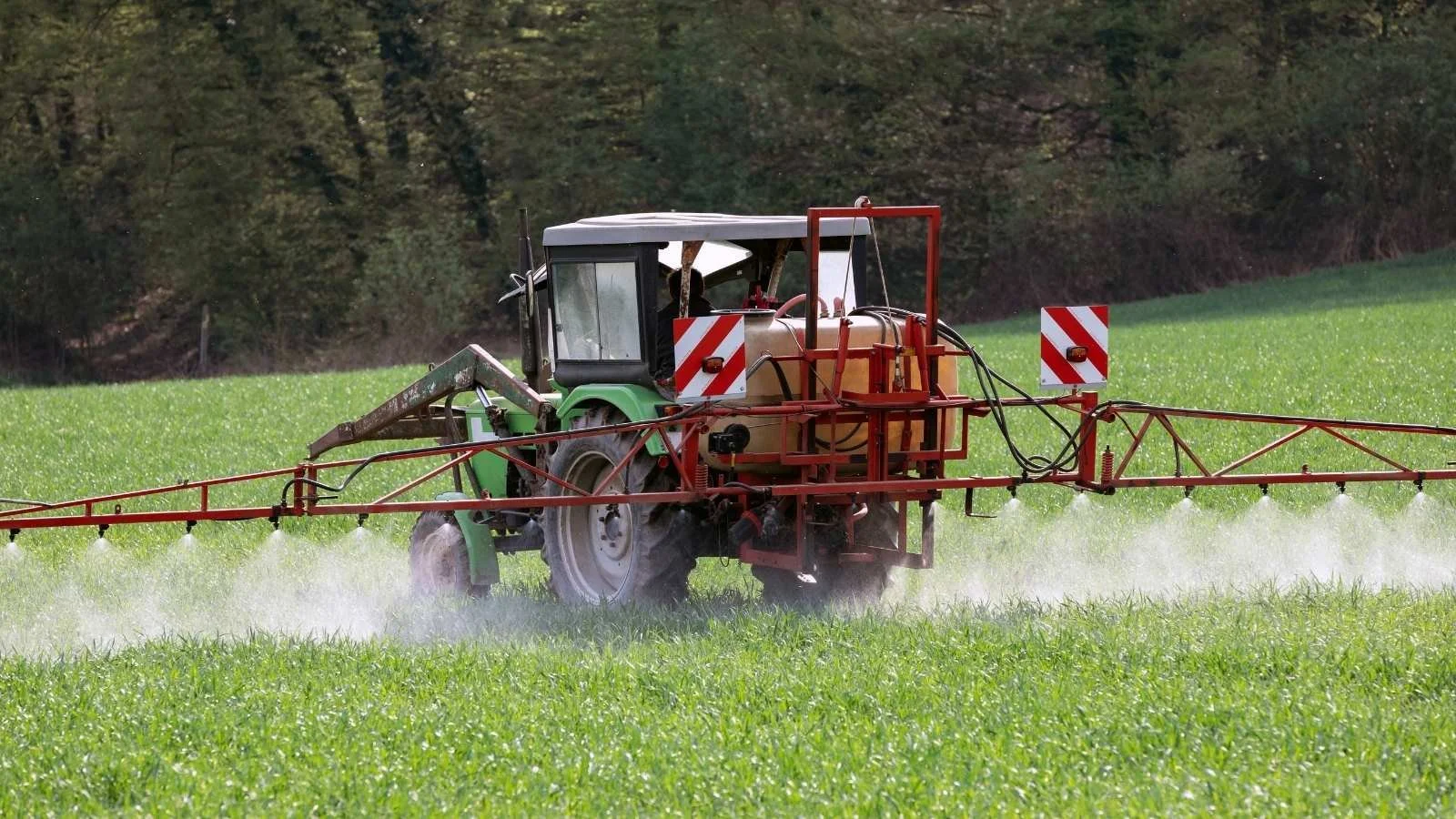
Spray Stress & Herbicide Performance
Field Results & Agronomic Interpretation
Supporting Crop and Pasture Health During Spray Applications.
Herbicide applications can stress plants, temporarily reducing growth and nutrient uptake. Field observations show that supporting soil biology and nutrient cycling with DCT products helps plants tolerate spray stress, recover faster, and maintain consistent growth, reducing the negative impact of herbicide applications.
This approach supports plant resilience naturally, complementing chemical weed control without replacing it entirely in severe weed pressure situations.
Field Observation Summary
Treated paddocks showed faster recovery of pasture and crop growth following herbicide applications.
Soil tests indicated enhanced microbial activity, supporting nutrient cycling and plant stress tolerance.
Growers reported more uniform growth and reduced visible spray damage compared with untreated areas.
Evidence Context
Important context
These observations were recorded across various pasture and crop species, soil types, and spray regimes. Results may vary depending on herbicide type, application timing, and environmental conditions.
International agronomic studies support these findings, showing that enhanced soil biology and nutrient cycling improve plant stress tolerance and recovery after chemical applications.
Agronomic Interpretation
Spray stress reduces plant metabolic activity and nutrient uptake. Observed improvements are linked to:
Enhanced microbial activity improving nutrient availability and root function.
Better nutrient cycling supporting recovery of stressed tissues.
Strengthened plant resilience, allowing quicker regrowth and maintaining yield potential.
Supporting these processes reduces the negative effects of herbicide stress and improves overall crop and pasture performance.
Where This Fits in the Farming System
DCT products support plants to recover quickly after herbicide application.
While chemical controls remain necessary for weed management, field evidence shows that product use reduces growth setbacks and maintains pasture quality.
Works best as part of an integrated system including correct spray timing, herbicide selection, and pasture monitoring.
Products Used in the System
Lazerhume – Supports microbial activity, improving nutrient availability and plant recovery.
Restore – Provides additional biological support, helping plants recover faster from stress.
Turbo N – Promotes nutrient uptake, supporting rapid regrowth.
Optimise iO – Enhances soil microbial diversity and nutrient cycling, increasing resilience to spray stress.
Weed Spray Enhance – Designed to work alongside herbicides to improve effectiveness and reduce plant stress impact.
Agronomy Insight
Agronomy insight
Spray stress is a temporary reduction in plant metabolic activity caused by herbicides. Supporting soil biology and nutrient cycling strengthens roots, improves nutrient availability, and accelerates regrowth, helping plants maintain production and resilience during chemical applications.
When This Approach Has Limits
Extremely sensitive crops or very high herbicide doses may still experience temporary growth reduction.
Severe weed pressure may require targeted follow-up applications.
Even in these situations, supporting soil biology improves nutrient uptake, plant resilience, and recovery speed.
Key Takeaway
Field observations show that supporting soil biology and nutrient cycling helps crops and pastures tolerate spray stress, recover faster, and maintain consistent growth, reducing the negative impact of herbicide applications.