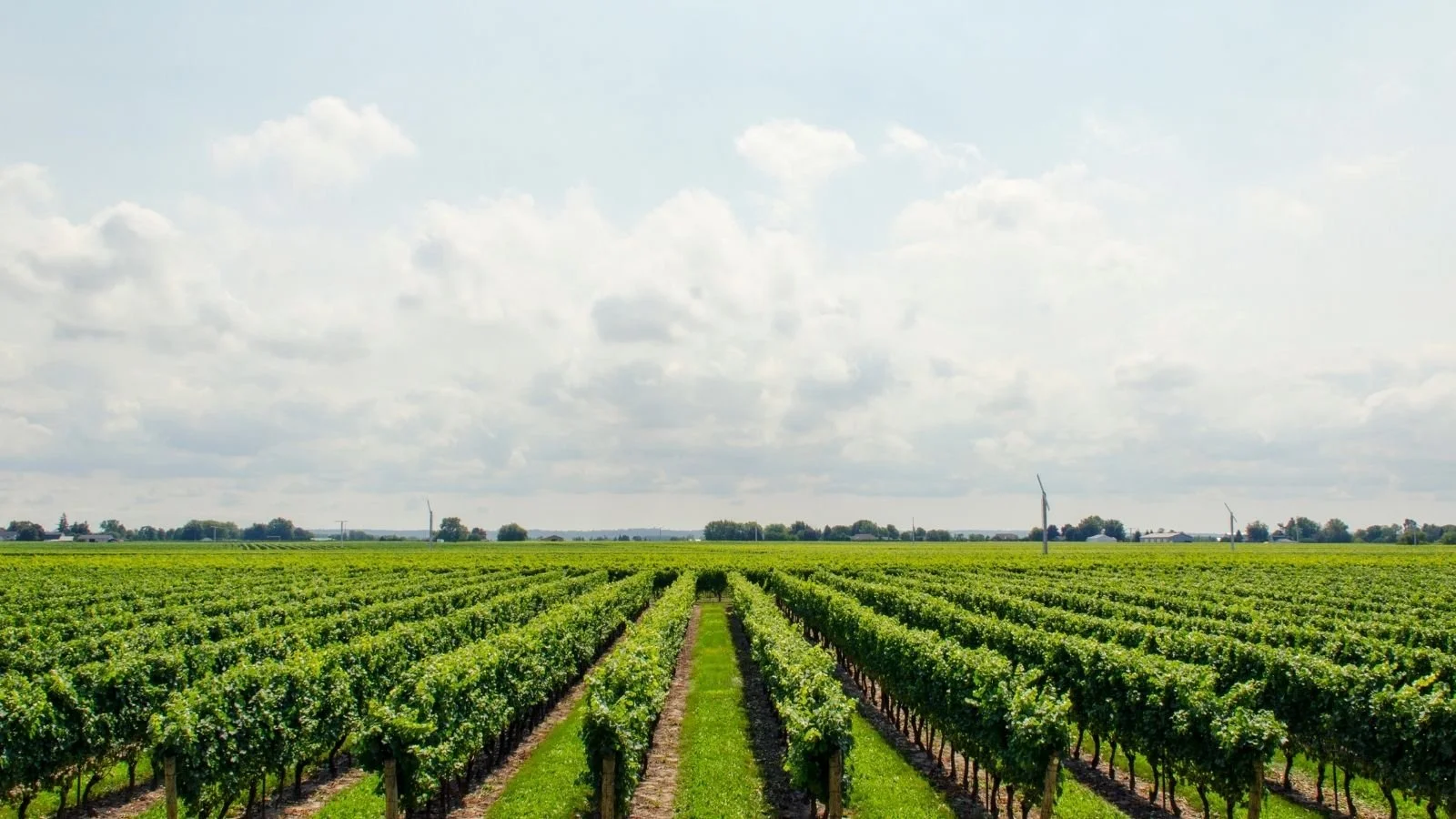
Create More Productive Value From Every Vineyard Hectare
DCT supports the connected root, soil, nutrient and vine processes behind productive vine balance helping vineyards gain greater value from the growing programme already being funded.
Every vineyard hectare carries substantial annual investment.
Pruning, canopy management, nutrition, irrigation, crop protection, machinery, labour and management are all committed before the fruit is harvested.
DCT is a targeted investment designed to help that wider programme produce a stronger commercial result.
By supporting the processes behind root development, soil function, nutrient efficiency and vine performance, DCT can help vines make more productive use of the resources already available to them.
The objective is straightforward: create more productive vineyard value than the DCT programme costs to use.
How DCT Can Create a Vineyard Return
More Reliable Productive Yield
Vineyard returns depend on carrying and ripening a commercially valuable crop—not on producing vegetative growth for its own sake.
DCT supports the root, nutrient and plant processes involved in vine and fruit development, creating the opportunity for more consistent productive performance.
Potential return: more reliable productive yield from each vineyard hectare.
Fruit Development and Quality
The commercial value of a vineyard crop depends on more than tonnes alone.
Fruit composition, maturity, condition and suitability for its intended wine programme can all influence the value ultimately created from the vineyard.
DCT supports the vine processes involved in developing and ripening the crop.
Potential return: a greater proportion of vineyard production contributing to its intended commercial outcome.
Greater Consistency Across the Vineyard
Vineyard performance is created across thousands of vines.
Differences in root conditions, nutrient access, soil behaviour and vine performance can contribute to variability within rows and blocks.
Supporting more consistent vine function can help reduce the performance gap between stronger and weaker areas.
Potential return: more vineyard area contributing consistently to productive yield and fruit quality.
More Value From Existing Inputs
Applying fertiliser, irrigation and other crop inputs does not guarantee that every vine will access and use them equally well.
DCT supports root development, nutrient availability and plant function, helping vines make more productive use of the resources already available to them.
Potential return: greater productive value from the wider vineyard programme.
Productive Vine Balance - Not Growth for Growth’s Sake
The purpose of DCT in a vineyard is not to create excessive vigour.
Commercial value comes from supporting the vine’s capacity to develop its canopy, carry its crop and progress fruit towards the required maturity and quality.
Too little functional growth can restrict the vine’s ability to support the crop. Excessive or poorly balanced growth can add canopy-management pressure without producing a corresponding commercial return.
DCT supports the biological processes behind vine performance. Crop load, nutrition, irrigation and canopy development remain managed to suit the variety, site and production objective.
The return comes from more productive vine performance—not simply more vine growth.
Root Exploration and the Expression of Site
Fine roots explore the soil for water and available nutrients, connecting the vine to the particular conditions within its growing environment.
The vine does not absorb finished flavours directly from the soil. Instead, soil conditions influence water availability, nutrient uptake and vine physiology all of which can affect berry development, composition and ripening.
By supporting root development and the functioning soil environment around the roots, DCT helps strengthen the biological foundation through which vines respond to their site.
Potential return: supporting the vine’s ability to translate the resources and characteristics of its growing environment into valuable fruit composition and quality.
One Investment—Several Sources of Return
The return from DCT does not need to depend on one result alone.
The same programme can potentially create value through:
More reliable productive yield
Improved fruit development and maturity
Greater vine and crop consistency
Better productive use of available nutrients
Greater value from irrigation and soil moisture
More vineyard area contributing effectively
Better support during challenging growing conditions
Productive vine capacity carried into future seasons
More value protected within the wider vineyard programme
Not every vineyard will realise value through every pathway. Variety, soil, climate, crop load, vineyard management and seasonal conditions will influence where the return is created.
DCT earns its place when the combined productive value created across the vineyard exceeds the cost of using it.
Better Performance Multiplied Across the Vineyard
DCT is not being applied to improve one vine. It is being applied across a vine population.
When stronger root function, nutrient use and vine performance are repeated across rows and blocks, the accumulated commercial value can become significant.
The return may come from more productive vines, greater consistency, improved input performance or a larger proportion of the crop reaching its intended commercial outcome.
DCT does not need to transform every vine or every measure to recover its cost.
It needs to create or protect enough additional value across the vineyard to exceed the investment in the programme.
Value created beyond that point becomes an additional return on the DCT investment.
Support the Productive Foundation of the Vineyard
Root Development
Grapevine roots influence water access, nutrient uptake and the vine’s ability to respond to changing growing conditions.
DCT supports the biological processes involved in root development and function.
Potential return: a stronger foundation for consistent vine and crop performance.
Soil Function
Soil structure, biological activity, nutrient cycling and water behaviour influence the environment in which vineyard roots must perform.
DCT supports the functioning soil system around the roots.
Potential return: more productive use of the vineyard’s soil resources and existing management programme.
Nutrient Efficiency
Nutrients only create value when they become available to the vine, are taken up and contribute to productive vine and fruit development.
DCT supports nutrient availability, uptake and use within the plant.
Potential return: greater vineyard value from nutrient decisions already being made.
Vine Performance
Root and nutrient function ultimately need to translate into productive vine and fruit development.
DCT supports the connected plant processes behind canopy function, crop development and seasonal performance.
Potential return: more of the vineyard’s biological capacity contributing to a commercially valuable crop.
More Productive Value From Water
Water becomes commercially valuable when it supports vine function and crop development.
Root development, soil structure and moisture behaviour can influence how effectively vines access and use available water.
DCT does not replace sound irrigation scheduling or vineyard water management. It supports the root and soil processes that help turn available moisture into productive vine performance.
Potential return: more productive value from rainfall, stored soil moisture and irrigation already supplied to the vineyard.
Protect the Investment Already Committed
The major costs of vineyard production are incurred whether vine performance is strong or weak.
Pruning, tying down, canopy work, nutrition, irrigation, crop protection and management are still paid for when part of a block underperforms.
DCT supports the processes that help vines make productive use of that investment.
This creates two connected sources of potential value:
Improving the productive performance of the current crop
Supporting the vine condition and capacity carried into future seasons
A vineyard is a long-term productive asset. Supporting the biological foundation of vine performance can therefore create value beyond a single application or harvest.
Where Is the Vineyard Losing Productive Value?
The commercial opportunity for DCT is greatest where the existing programme is not expressing its full potential through the vines or crop.
That may appear as:
Uneven vine performance across a block
Inconsistent canopy or crop development
Restricted root conditions
Variable nutrient response
Areas that struggle under moisture pressure
Fruit development that does not reflect the investment in the programme
Productive capacity that is difficult to sustain across seasons
DCT provides another way to strengthen the system behind these outcomes without replacing the vineyard’s established agronomy.
Turn Better Vine Performance Into Greater Vineyard Value
DCT gives vineyard owners and managers an opportunity to gain more productive value from the soil, nutrients, water, labour and management already invested in every hectare.
The return will not be identical in every vineyard. It will be created through the combined value of yield, fruit development, consistency, input performance and productive capacity improved under that vineyard’s conditions.
Better root function. Better use of available resources. More consistent vine performance. Greater productive value across the vineyard.