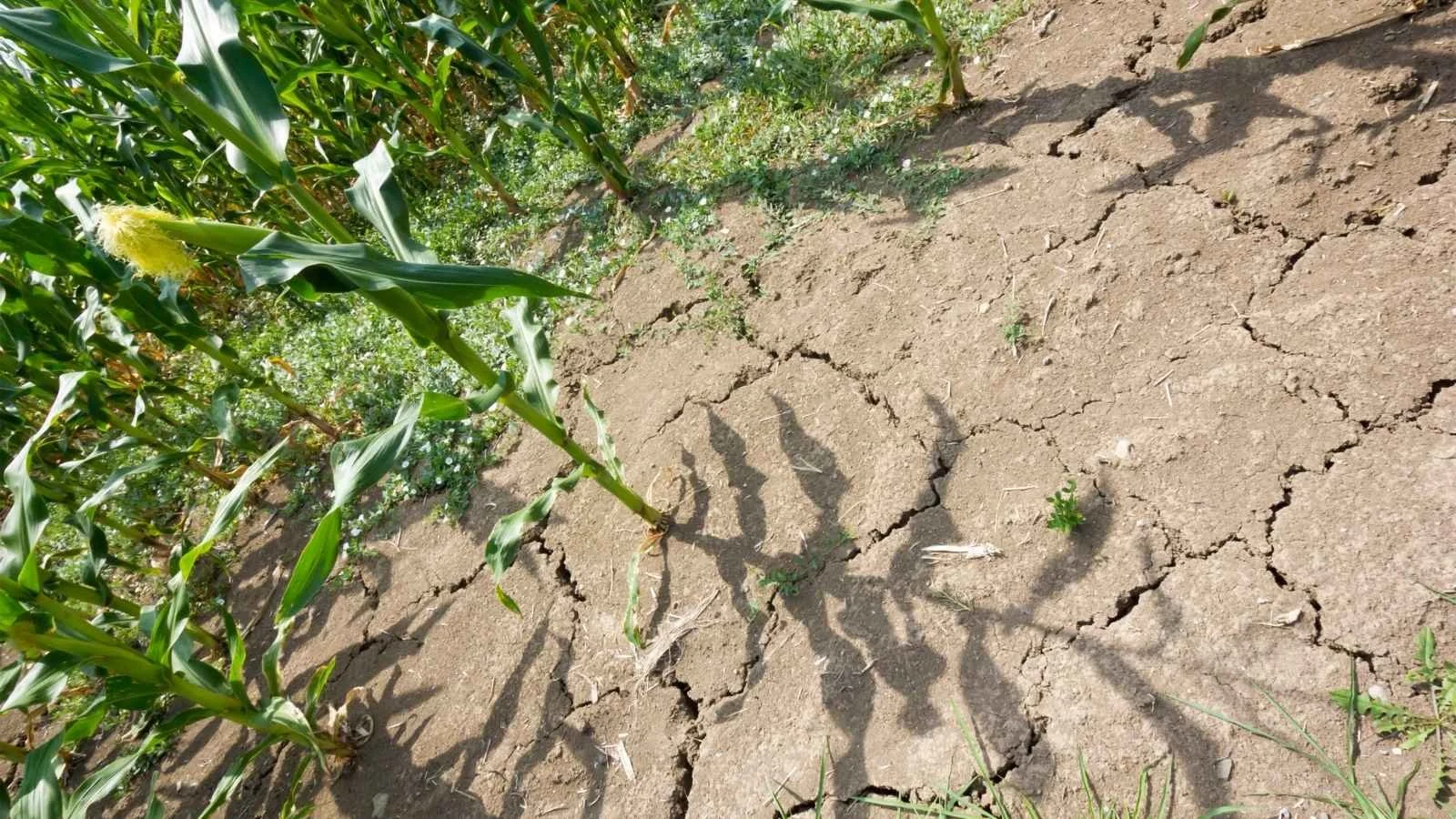
Plant Stress During Dry, Cold, or Wet Periods
Field Results & Agronomic Interpretation
Improving Plant Resilience Under Environmental Stress
Periods of drought, cold, or prolonged wet conditions place significant stress on pasture and crop systems. Even when nutrient inputs are adequate, plants under environmental stress often show reduced growth, poor nutrient uptake, and delayed recovery.
Environmental stress does not occur in isolation. Its impact is strongly influenced by soil structure, biological activity, root function, and nutrient availability.
Field observations show that supporting soil processes and nutrient efficiency using DCT products helps plants better tolerate stress and recover more consistently once conditions improve.
This approach focuses on building resilience, not attempting to override stress with higher inputs.
Field Observation Summary
Across a range of climatic conditions and soil types, treated areas have shown:
Improved plant colour and leaf integrity during stress periods
Reduced visible stress symptoms compared with untreated areas
Faster recovery once moisture or temperature conditions improve
More consistent performance across variable paddock conditions
These responses are most noticeable during prolonged or repeated stress events.
Evidence Context
Important context
Observations come from varied seasonal conditions, soil types, and management systems. The severity and duration of stress events strongly influence outcomes.
International agronomic research consistently shows that soil function, root health, and nutrient efficiency are critical to plant stress tolerance and recovery, supporting the field observations reported.
Agronomic Interpretation
Plant stress during dry, cold, or wet periods is commonly associated with:
Restricted root function due to poor soil structure or waterlogging
Reduced microbial activity limiting nutrient release
Impaired nutrient uptake, particularly nitrogen and trace elements
Reduced plant energy reserves during prolonged stress
These factors lead to:
Slower growth and reduced ground cover
Increased susceptibility to secondary stress or damage
Delayed recovery following the return of favourable conditions
Supporting soil biology and nutrient processes improves root-zone function, nutrient availability, and plant energy balance, helping plants withstand stress and recover more efficiently.
Where This Fits in the Farming System
DCT products are used to support plant resilience, not replace good management during adverse conditions.
Field observations show improved stress tolerance without increasing fertiliser rates.
This approach works best alongside:
Appropriate stocking or harvesting decisions during stress periods
Good drainage and soil structure management
Balanced fertility based on soil testing
The goal is to reduce stress impact and speed recovery when conditions improve.
Products Used in the System
Lazerhume – Supports soil biology and nutrient cycling, improving root-zone function under stress
Restore – Provides additional biological support in stressed or depleted soils
Turbo-N – Improves nitrogen efficiency when plant uptake is limited by environmental conditions
Optimise iO – Supports microbial activity and nutrient availability during stress and recovery phases
Product selection depends on stress type, soil condition, and system intensity.
Agronomy Insight
Agronomy insight
Environmental stress reduces root activity and microbial processes, limiting nutrient uptake even when nutrients are present. Supporting soil biological activity and nutrient efficiency helps maintain plant function during stress and accelerates recovery once conditions improve.
When This Approach Has Limits
Extreme drought, prolonged waterlogging, or severe cold may still limit growth
Physical soil constraints may restrict root function regardless of biological support
Even in these situations, improving soil processes enhances recovery potential and long-term system resilience.
Key Takeaway
Field observations show that supporting soil biology and nutrient efficiency improves plant resilience during dry, cold, or wet periods, helping stabilise performance and speed recovery after stress.