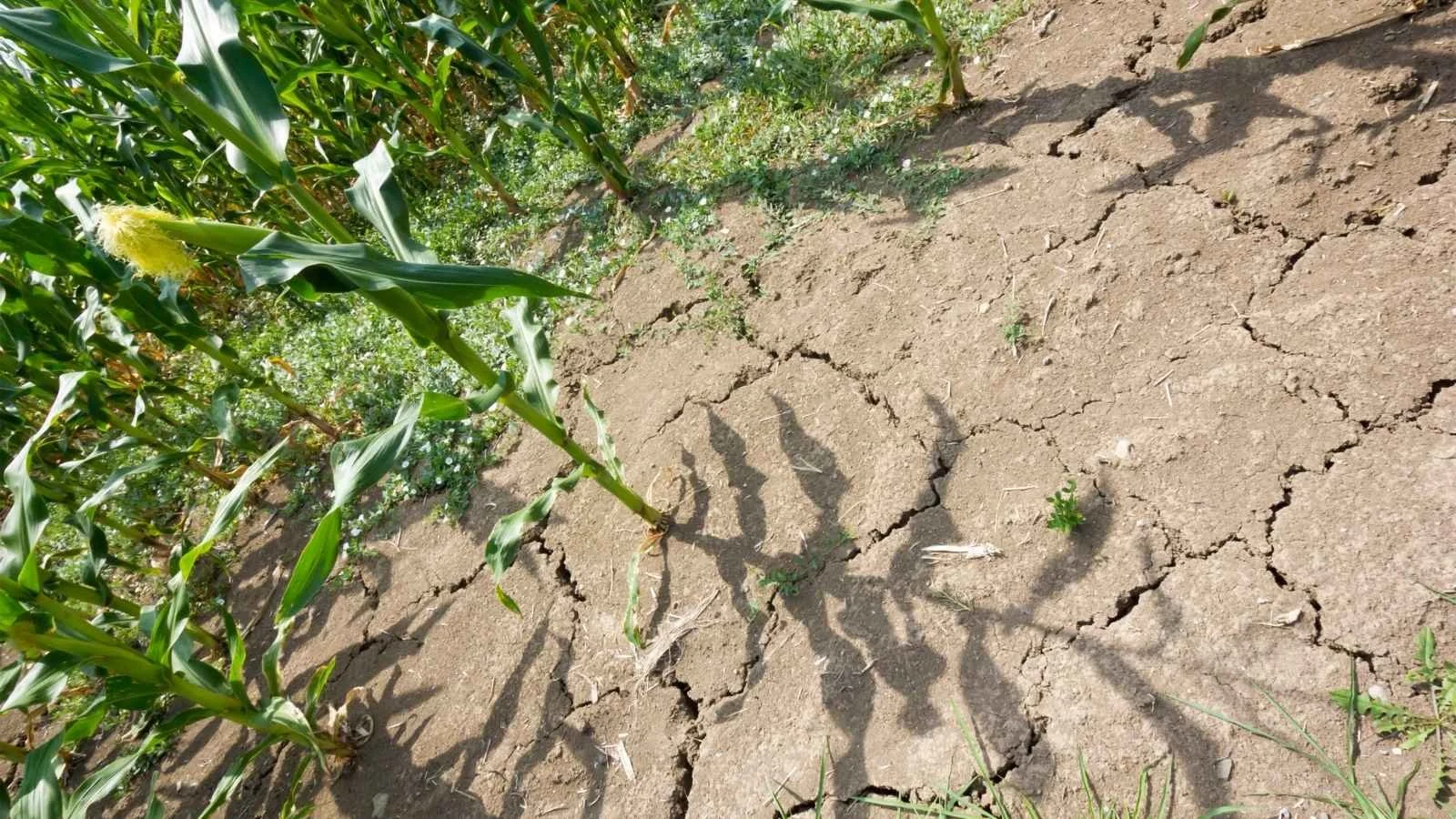
Plant Stress During Dry, Cold, or Wet Periods
Growing Problem Overview
When the weather affects growth
Plants are constantly exposed to environmental stress. Dry spells, cold snaps, or excessive wet conditions can slow growth, reduce nutrient uptake, and impact yields.
Even well-fertilised soils can struggle under stress, because plant roots and metabolism are directly affected by the environment.
Common causes of stress
Drought or water deficiency
Limited water reduces nutrient uptake, slows photosynthesis, and can stunt growth.
Cold periods
Frost or prolonged cold limits root activity and microbial function in the soil, reducing nutrient availability.
Excess moisture or waterlogging
Poor drainage can suffocate roots, limit oxygen, and reduce microbial activity, leading to patchy growth.
Nutrient inefficiency
When soils and plants are stressed, applied fertiliser and nutrients are not fully utilised, resulting in lower growth and performance.
How to reduce plant stress
Supporting plants during stress improves recovery and overall productivity:
Maintain soil health and biology to support nutrient cycling
Ensure consistent nutrient availability for resilient growth
Apply management techniques to reduce physical and environmental stress
Use products that support plant resilience and microbial activity
Where our products fit (practical tools growers use)
Our products don’t replace fertiliser, but they help plants cope with stress and recover faster:
Lazerhume
Supports soil biology, improving nutrient availability and resilience under stress.
Restore
Provides extra system support for soils and plants under pressure.
Optimise iO
Helps stabilise nutrients and support microbial activity during challenging conditions.
Turbo N
Supports consistent nitrogen response, reducing losses when plants are stressed.
These tools are most effective as part of a broader system, not as stand-alone solutions.
When this approach won’t help
Stress will continue to impact growth if:
Extreme environmental conditions persist
Soil drainage, compaction, or fertility issues remain unaddressed
Pest or disease pressure is high
Supporting plant resilience is most effective when combined with good management and soil practices.
Related growing problems
Environmental stress often overlaps with:
Addressing these connected issues helps plants maintain growth and yield even under challenging conditions.
Frequently asked questions
Can these products prevent drought or frost damage?
No. They support plant and soil resilience, helping plants recover and maintain growth during stress, but they cannot change the weather.
How quickly will plants respond?
Benefits can be seen within weeks, but full system improvements develop over seasons of consistent use.
Do I need to change fertiliser programs during stress periods?
Not necessarily — these tools complement existing programs by improving nutrient efficiency and plant performance.
Key takeaway
Plant stress is a normal part of farming, but supporting soil biology, nutrient availability, and plant resilience can reduce impact, improve recovery, and maintain productivity even under dry, cold, or wet conditions.
Plant Stress During Dry, Cold, or Wet Periods
Related evidence & results:
Plant Stress During Dry, Cold, or Wet Periods — Field Results & Agronomic Interpretation — see how improving soil biology and plant resilience helps crops survive extreme conditions.
Explore all common growing problems and solutions in our “Growing Problems Hub.”