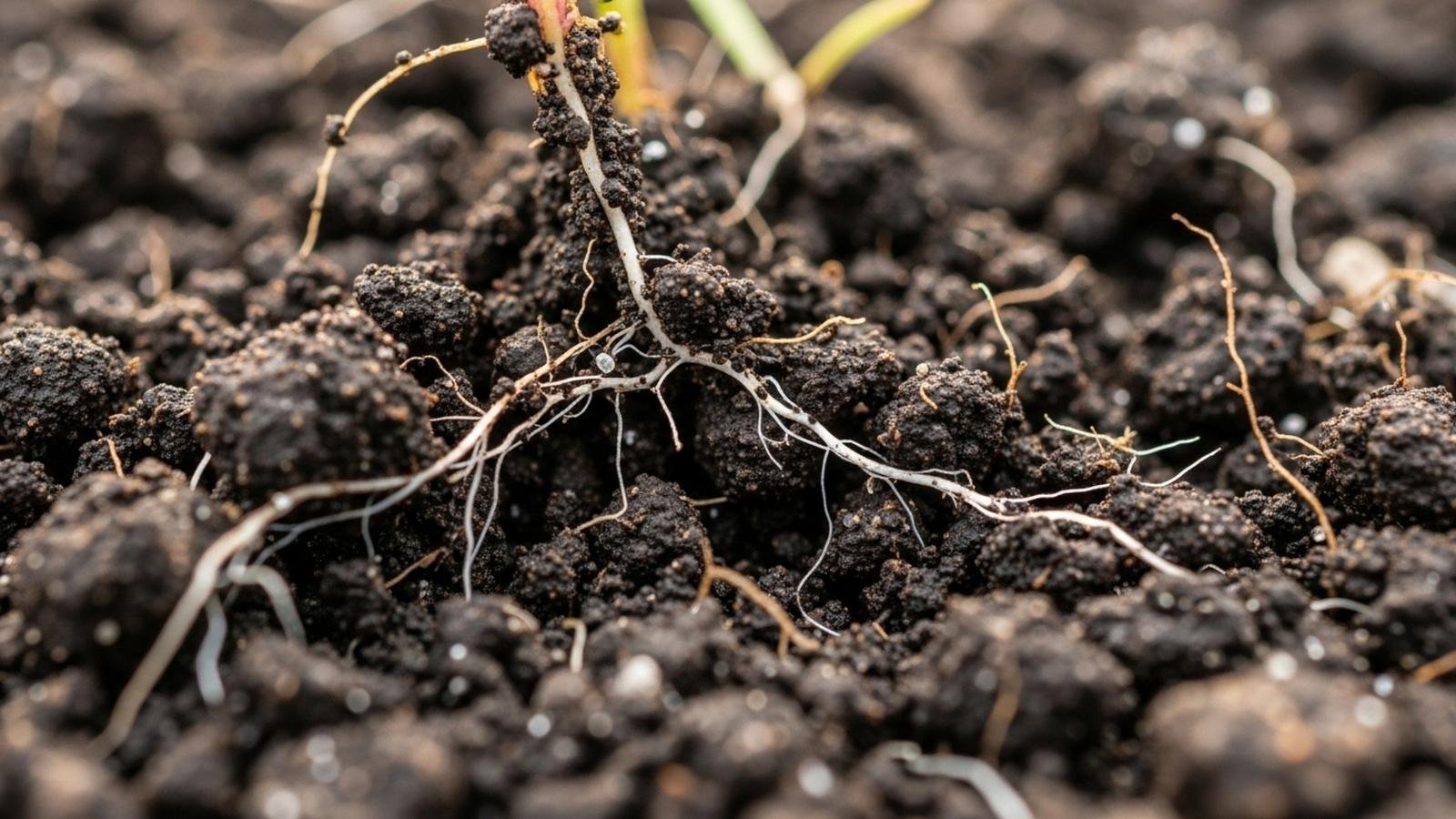
Poor Soil Biology and Low Microbial Activity
Growing Problem Overview
Healthy soil is more than nutrients
Many growers notice that despite correct fertiliser rates, crop and pasture growth feels inconsistent or slow. Soil might seem “tired” or “flat,” and plants struggle to reach their potential.
This is often due to low soil biology — the microorganisms, fungi, and microbes that drive nutrient cycling, soil structure, and plant health. Without an active biological system, nutrients like nitrogen, phosphorus, and trace elements aren’t efficiently converted into forms plants can use.
Why soil biology matters
Soil biology is the engine behind productive farms. It:
Breaks down organic matter into plant-available nutrients
Improves soil structure, aeration, and water retention
Supports plant root growth and nutrient uptake
Protects against soil-borne pests and diseases
When microbial activity is low, you may notice:
Patchy or uneven crop and pasture growth
Poor response to fertiliser and sprays
Slow recovery after grazing or harvest
Increased vulnerability to environmental stress
What helps improve soil biology
There isn’t a single fix — healthy soils need consistent support. Proven approaches include:
Increasing organic carbon inputs to feed microbes
Reducing excessive chemical pressure where possible
Maintaining good soil structure and aeration
Encouraging diverse microbial populations with targeted biological tools
By addressing these areas, nutrient cycling improves, plants grow more efficiently, and soil resilience increases over time.
Where our products fit (practical tools growers use)
Our products are not designed to replace fertiliser. They support soil biology, nutrient cycling, and overall system function:
Lazerhume
A foundational soil-support tool to enhance microbial activity and improve nutrient availability.
Optimise iO
Liquid platforms designed to boost biological activity and support growers who apply their own nitrogen on-farm.
Restore
Used where soils are under pressure, providing additional biological and system support.
Turbo N
Supports nitrogen efficiency while also contributing to microbial activity when used as part of a holistic approach.
These tools are typically used as part of a wider system, not as stand-alone solutions.
When this approach won’t help
Soil biology support cannot fix:
Severely compacted soils without remediation
Extremely low nutrient or pH imbalances
Poor drainage or waterlogged soils
Physical and chemical constraints must be addressed first to see the full benefits of biological support.
Related growing problems
Low soil biology often occurs alongside:
These problems are connected, and improving soil biology can help alleviate multiple issues.
Frequently asked questions
Can I rely solely on biological tools instead of fertiliser?
No. Biological tools improve nutrient availability and system performance but do not replace fertiliser.
How do I know if soil biology is low?
Signs include slow growth, poor response to inputs, uneven pastures, and visible soil compaction or crusting.
How long does it take to improve soil biology?
Improvements are gradual. Consistent system support typically shows results over several months to seasons.
Key takeaway
Soil biology is the foundation of productive, resilient farms. Supporting microbes and soil life improves nutrient efficiency, plant health, and recovery after stress — helping crops, pastures, and animals perform at their best.
Poor Soil Biology and Low Microbial Activity
Related evidence & results:
Soil Biology & Microbial Activity — Field Results & Agronomic Interpretation — see how supporting soil biology improves nutrient cycling, root growth, and crop resilience.
Explore all common growing problems and solutions in our “Growing Problems Hub.”