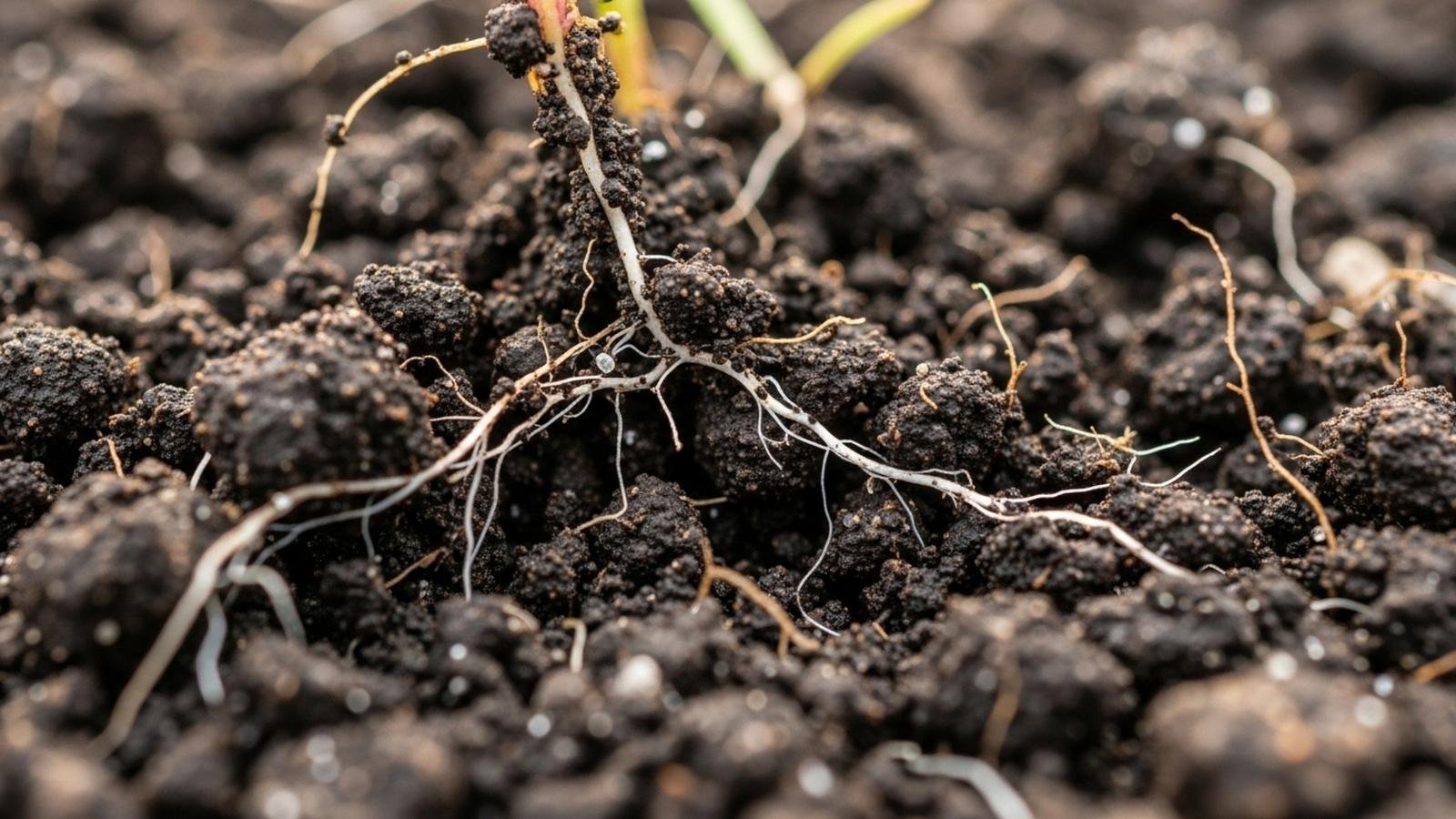
Poor Soil Biology & Low Microbial Activity
Field Results & Agronomic Interpretation
Rebuilding the Biological Engine of Productive Soils.
Soil biology plays a critical role in nutrient cycling, soil structure, and plant resilience, yet many productive-looking paddocks suffer from low microbial activity. When soil biology is underperforming, nutrients become less available, roots function poorly, and returns on fertiliser decline.
Field observations show that supporting soil biological processes with DCT products helps increase microbial activity, improve nutrient cycling, and restore soil function, leading to more consistent pasture and crop performance.
This approach focuses on rebuilding soil function, not masking symptoms with higher inputs.
Field Observation Summary
Treated soils showed improved soil structure, friability, and root penetration over time.
Pastures and crops displayed more consistent growth and colour, particularly in historically weak areas.
Soil monitoring indicated increased microbial activity and improved nutrient cycling following repeated applications.
Evidence Context
Important context
Observations come from a range of soil types, land uses, and management systems. Outcomes depend on moisture, organic matter levels, and historical soil management.
International agronomic research consistently shows that soil biological activity is central to nutrient availability, soil aggregation, and plant health, supporting these field observations.
Agronomic Interpretation
Low soil biology commonly results from compaction, repeated chemical inputs, low organic inputs, or prolonged stress. This leads to:
Reduced nutrient cycling, limiting plant access to applied fertiliser
Poor soil aggregation, restricting root growth and water movement
Lower resilience, increasing stress during dry, wet, or cold periods
Supporting microbial activity restores biological processes that unlock nutrients, improve root environments, and stabilise production.
Where This Fits in the Farming System
DCT products support the recovery and maintenance of soil biological activity.
Field results show improved soil performance without increasing fertiliser rates.
Works best alongside good grazing management, soil testing, and realistic stocking or yield targets.
This approach shifts soil from a nutrient holding medium to an active biological system.
Products Used in the System
Lazerhume – Supports microbial activity and soil aggregation, improving nutrient cycling.
Restore – Provides additional biological support in stressed or depleted soils.
Optimise iO – Enhances microbial diversity and nutrient availability.
Turbo N – Improves nitrogen efficiency by supporting biological nutrient processes.
Agronomy Insight
Agronomy insight
Soil microbes regulate nutrient release, root interaction, and soil structure. When biological activity is low, fertiliser efficiency declines and plant resilience drops. Supporting these biological processes restores nutrient cycling and improves whole-system performance.
When This Approach Has Limits
Extremely low organic matter soils may respond more slowly.
Severe compaction or drainage issues may still restrict biological recovery.
Even in these cases, biological support improves nutrient availability and long-term soil function.
Key Takeaway
Field observations show that rebuilding soil biological activity improves nutrient cycling, soil structure, and plant performance, delivering more consistent results from existing inputs.