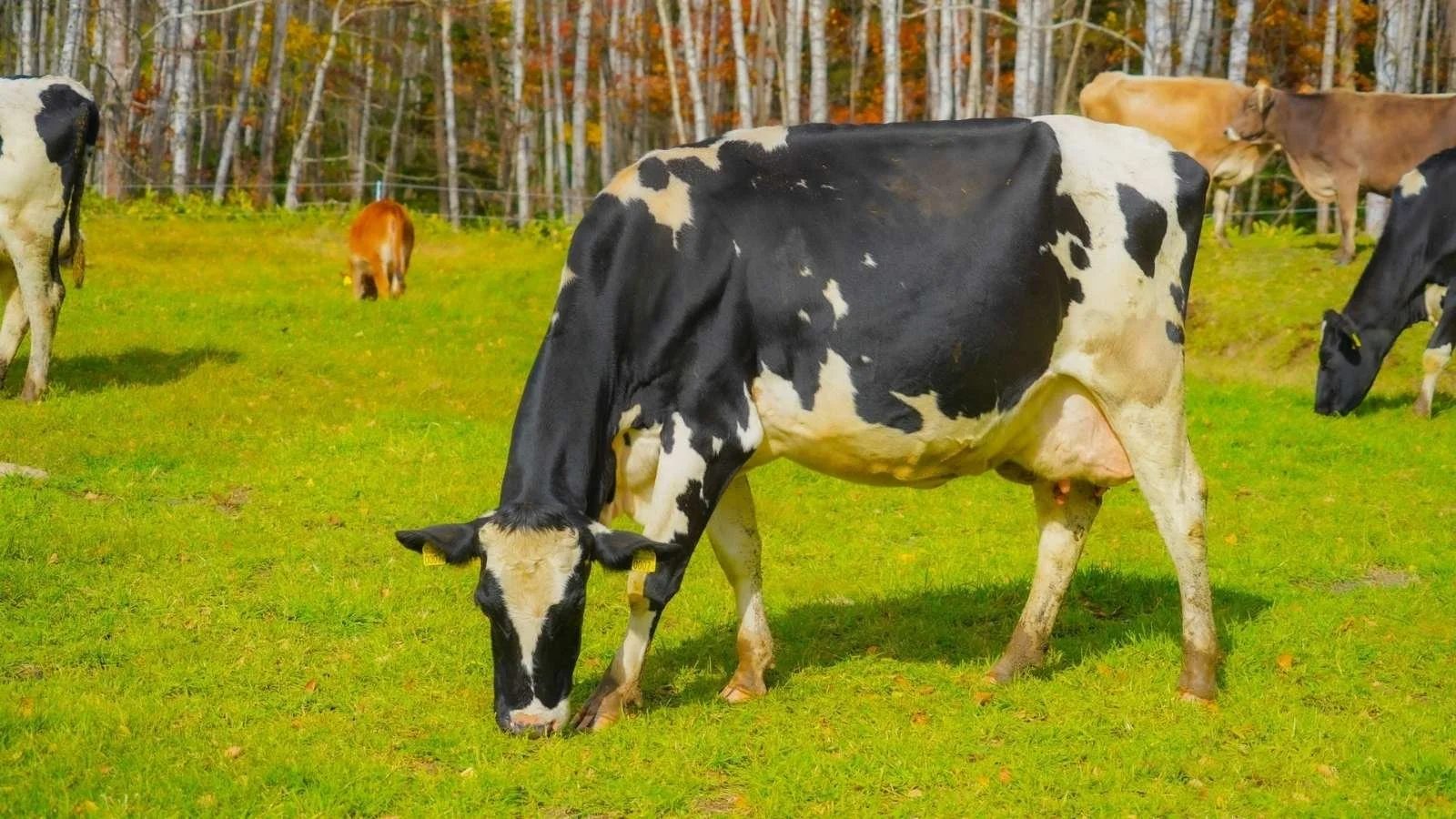
Slow Recovery After Grazing or Harvest
Growing Problem Overview
Growth isn’t bouncing back as expected
After grazing, mowing, or harvest, pastures and crops are supposed to recover quickly. But many growers notice slow regrowth, reduced biomass, and uneven recovery.
Slow recovery isn’t always caused by fertiliser shortages. Often, it’s a sign that the system supporting growth — soil biology, nutrients, and plant resilience — is under pressure.
Why recovery can be slow
Nutrient availability
Even if fertiliser is applied correctly, nutrients may not be fully available due to inefficient cycling, leaching, or poor uptake.
Low soil biology
Microbes help release nutrients from soil organic matter. Reduced microbial activity slows nutrient availability and plant regrowth.
Plant stress
Environmental stress — drought, waterlogging, frost, or heat — can delay regrowth after grazing or harvest.
Soil compaction or structure issues
Compacted soils limit root growth and water uptake, slowing recovery across paddocks or crop areas.
How to support faster recovery
Recovery improves when the whole system is supported. Practical approaches include:
Encouraging healthy soil biology to release nutrients efficiently
Ensuring nutrient availability is consistent across the paddock
Minimising plant stress with proper grazing, irrigation, and timing
Improving soil structure and aeration to allow roots to grow quickly
Where our products fit (practical tools growers use)
Our products don’t replace fertiliser, but they help plants and soils recover faster after stress:
Lazerhume
Supports soil biology and nutrient cycling to aid regrowth.
Restore
Adds extra system support for soils and plants under pressure.
Optimise iO
Helps stabilise nutrients and supports microbial activity in stressed areas.
Turbo N
Provides consistent nitrogen support to boost recovery without excessive loss.
These tools are most effective as part of a wider system, not as stand-alone solutions.
When this approach won’t help
Recovery will remain slow if:
Soil compaction or drainage issues are unresolved
Fertility is extremely low or imbalanced
Environmental stress continues unabated
System improvements are most effective when combined with basic soil and crop management.
Related growing problems
Slow recovery often occurs alongside:
Addressing these interconnected issues improves regrowth, yield, and overall system performance.
Frequently asked questions
Will these products make regrowth immediate?
Visible improvements can appear within a season, but full system recovery usually takes several months of consistent management.
Do I need to change my fertiliser program?
Not necessarily. These tools complement existing programs to improve nutrient efficiency and plant performance.
How can I tell if soil biology is limiting recovery?
Look for slow regrowth, poor response to fertiliser, and patchy areas. Soil tests and observation can confirm microbial activity issues.
Key takeaway
Slow recovery after grazing or harvest is rarely caused by one issue. Supporting soil biology, nutrient cycling, and plant resilience helps pastures and crops bounce back faster, improving productivity and system performance.
Slow Recovery After Grazing or Harvest
Related evidence & results:
Slow Recovery After Grazing or Harvest — Field Results & Agronomic Interpretation — discover how soil biology supports faster regrowth and pasture recovery.
Explore all common growing problems and solutions in our “Growing Problems Hub.”