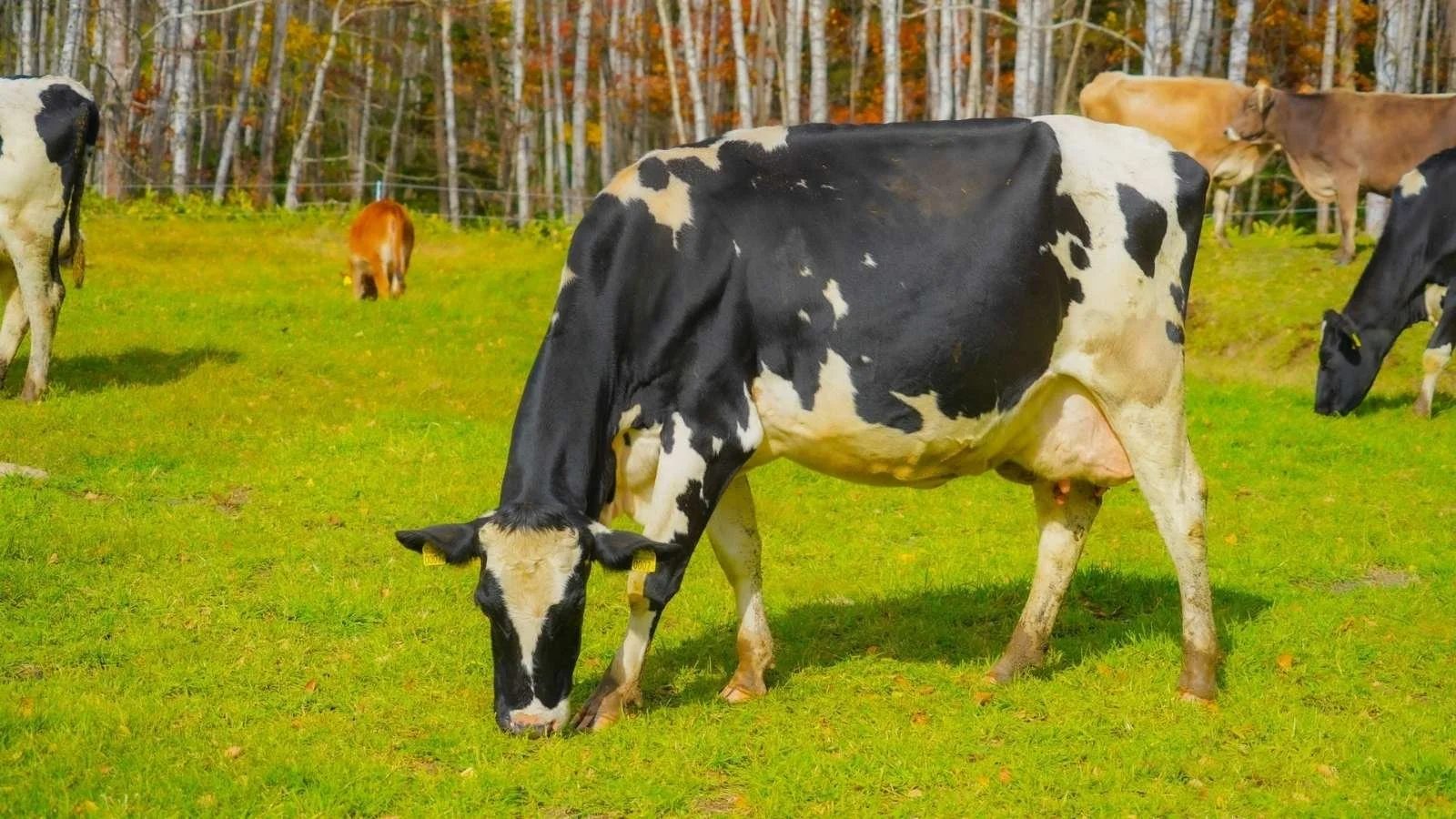
Slow Recovery After Grazing or Harvest
Field Results & Agronomic Interpretation
Supporting faster pasture and crop recovery through soil biology and nutrient cycling.
Many pastures and crops recover slowly after grazing or harvest because nutrient cycling, soil biology, and root recovery are limited. Field observations show that supporting soil biology and nutrient cycling with DCT products improves regrowth speed, plant resilience, and overall pasture/crop recovery — often without increasing fertiliser inputs.
This approach focuses on improving recovery efficiency and resilience, not just adding more fertiliser.
Field Observation Summary
Treated pastures and crops showed faster regrowth after grazing or harvest.
Improved leaf density and plant cover were observed, especially in stressed areas.
Growers reported more consistent recovery across paddocks and better seasonal performance.
Soil health improvements supported quicker regrowth, especially in soils with weak biology.
Evidence Context
Important context
Observations were recorded across different soil types, pasture systems, and grazing regimes. Results depend on soil condition, moisture, management practices, and grazing intensity.
International agronomic research supports the principle that supporting soil biology and nutrient cycling improves recovery after defoliation and supports plant resilience — aligning with these field observations.
Agronomic Interpretation
Slow recovery is often caused by:
Reduced microbial activity limiting nutrient cycling
Nutrient inefficiency following grazing/harvest
Weaker root systems slowing regrowth
Environmental stress reducing plant resilience
Observed improvements are linked to:
Increased microbial activity, improving nutrient availability
Faster nutrient cycling and uptake
Stronger root growth, improving recovery and plant vigour
Improved plant resilience to stress
Supporting these processes helps pastures and crops recover faster after grazing or harvest.
Where This Fits in the Farming System
DCT products support faster recovery and stronger regrowth, working best as part of an integrated grazing and nutrient system.
While good grazing management and correct nutrient application remain essential, field evidence shows improved recovery without increasing inputs.
Works best alongside soil testing, correct grazing height, and good pasture management.
Products Used in the System
Turbo N – Supports nitrogen efficiency, improving regrowth and nutrient uptake.
Restore – Adds biological support for stressed soils, improving recovery and resilience.
Lazerhume – Enhances soil microbial activity, supporting faster root recovery and nutrient cycling.
Optimise iO – Improves microbial diversity and nutrient cycling, supporting regrowth and plant function.
Seaweed Plus – Stronger biological support for stressed pastures, helping recovery after grazing or harvest.
Agronomy Insight
Efficient recovery is driven by soil biology and nutrient cycling, not just fertiliser rate.
Field observations and research show that supporting soil biology improves nutrient availability and root recovery, which supports faster regrowth and stronger pasture performance.
When This Approach Has Limits
Extremely low fertility soils may still require targeted supplementation.
Severe compaction or poor soil structure can limit root recovery and nutrient access.
Poor grazing management (e.g., grazing too low) can reduce recovery potential.
Even in these cases, supporting soil biology improves nutrient cycling and long-term recovery.
Key Takeaway
Field observations show that supporting soil biology and nutrient cycling improves recovery after grazing or harvest, leading to faster regrowth, better pasture resilience, and stronger seasonal performance — often without increasing fertiliser inputs.