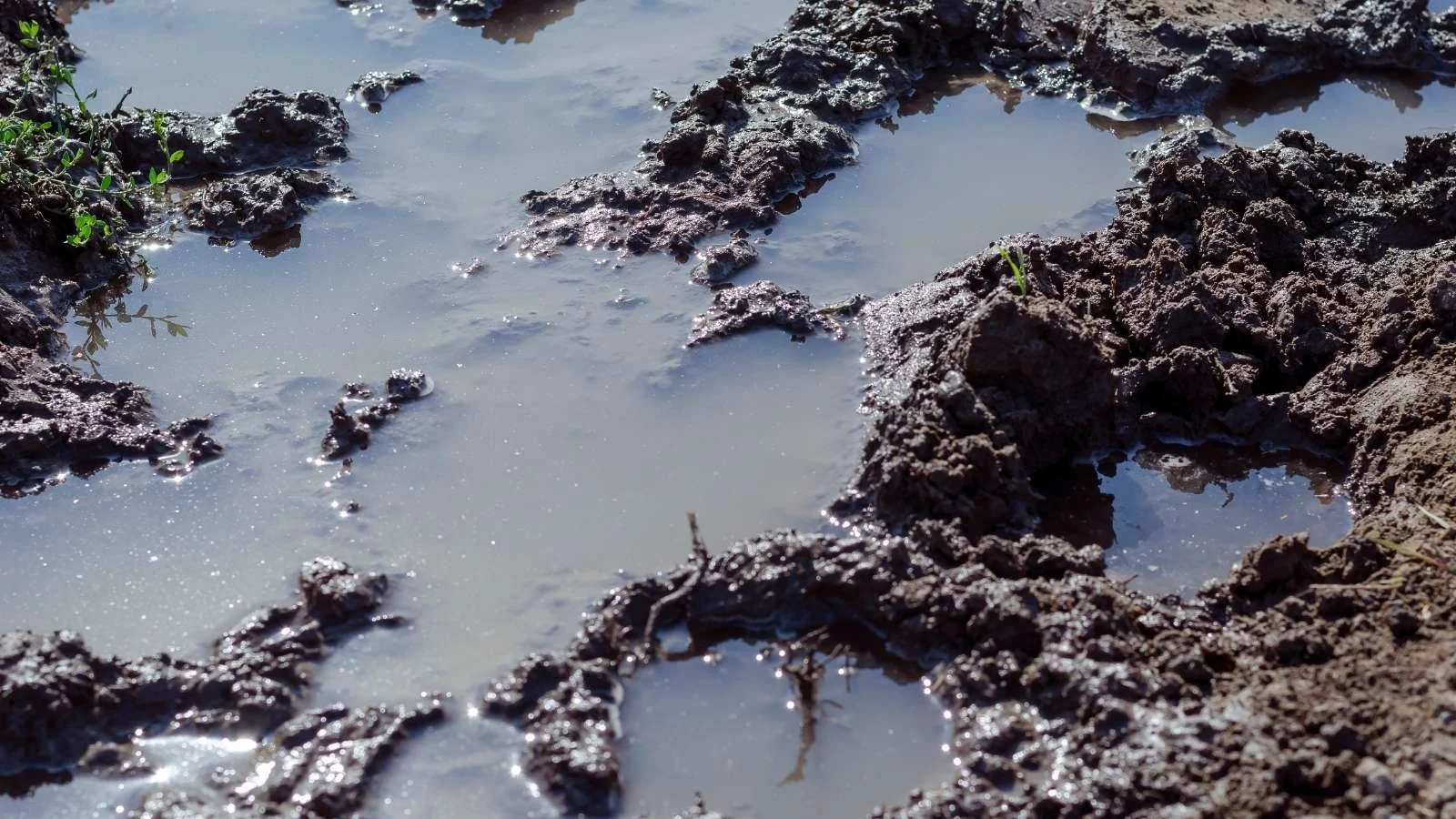
Wet Soil Damage & Pugging Stress
Field Results & Agronomic Interpretation
Protecting Pastures and Crops in Wet Conditions
Excessively wet soils and pugging from livestock can compact the soil, damage roots, and reduce pasture recovery. Field observations show that supporting soil biology with DCT products helps improve soil structure, enhance root resilience, and accelerate recovery, even in high-traffic areas.
This approach focuses on enhancing natural soil function rather than relying solely on mechanical intervention.
Field Observation Summary
Pastures treated with DCT products recovered more quickly after pugging events, showing stronger root growth and improved plant density.
Soil testing indicated higher microbial activity, helping maintain nutrient availability and supporting root recovery.
Treated areas exhibited less long-term compaction and more uniform growth across paddocks.
Evidence Context
Important context
These results were observed across multiple farms, soil types, and pasture species. Soil texture, rainfall, and livestock management influence outcomes.
International agronomic research supports the idea that enhanced soil biology and nutrient cycling improve resilience in wet or stressed soils.
Agronomic Interpretation
Pugging and wet soils reduce root growth, limit water and nutrient uptake, and slow pasture recovery. Observed improvements are linked to:
Enhanced microbial activity improving soil aggregation and structure.
Better nutrient cycling supporting faster root and shoot regrowth.
Strengthened root systems allowing plants to recover quickly from physical stress.
Consistent soil support reduces visible damage and improves long-term pasture resilience.
Where This Fits in the Farming System
DCT products help pastures recover faster after wet soil stress.
While mechanical aeration or drainage improvements may still be needed in extreme cases, field evidence shows that product use can reduce recovery time and improve resilience without intervention in many situations.
Works best as part of an integrated system including pasture rotation, controlled livestock traffic, and soil monitoring.
Products Used in the System
Lazerhume – Supports microbial activity and soil structure recovery.
Restore – Provides additional biological support for stressed soils, aiding root recovery.
Turbo N – Promotes nutrient uptake and encourages uniform growth.
Optimise iO – Enhances microbial diversity and nutrient cycling, improving root and shoot recovery.
Agronomy Insight
Agronomy insight
Pugging and wet soils create multiple stress factors for plants. Supporting soil biology and nutrient cycling strengthens roots, improves water and nutrient use efficiency, and accelerates recovery. This approach helps pastures maintain production and reduces long-term damage.
When This Approach Has Limits
Severe waterlogging or very heavy traffic may still cause compaction that requires mechanical intervention.
Poorly drained paddocks limit product efficacy until drainage is improved.
Even in these cases, biological support enhances soil function, nutrient availability, and plant resilience.
Key Takeaway
Field observations show that supporting soil biology and nutrient cycling helps pastures recover faster from pugging and wet soil damage, reduces compaction impact, and strengthens long-term resilience.