Wet Soil Damage & Pugging Stress
Growing Problem Overview
Protecting pastures and crops from waterlogging and stock pressure
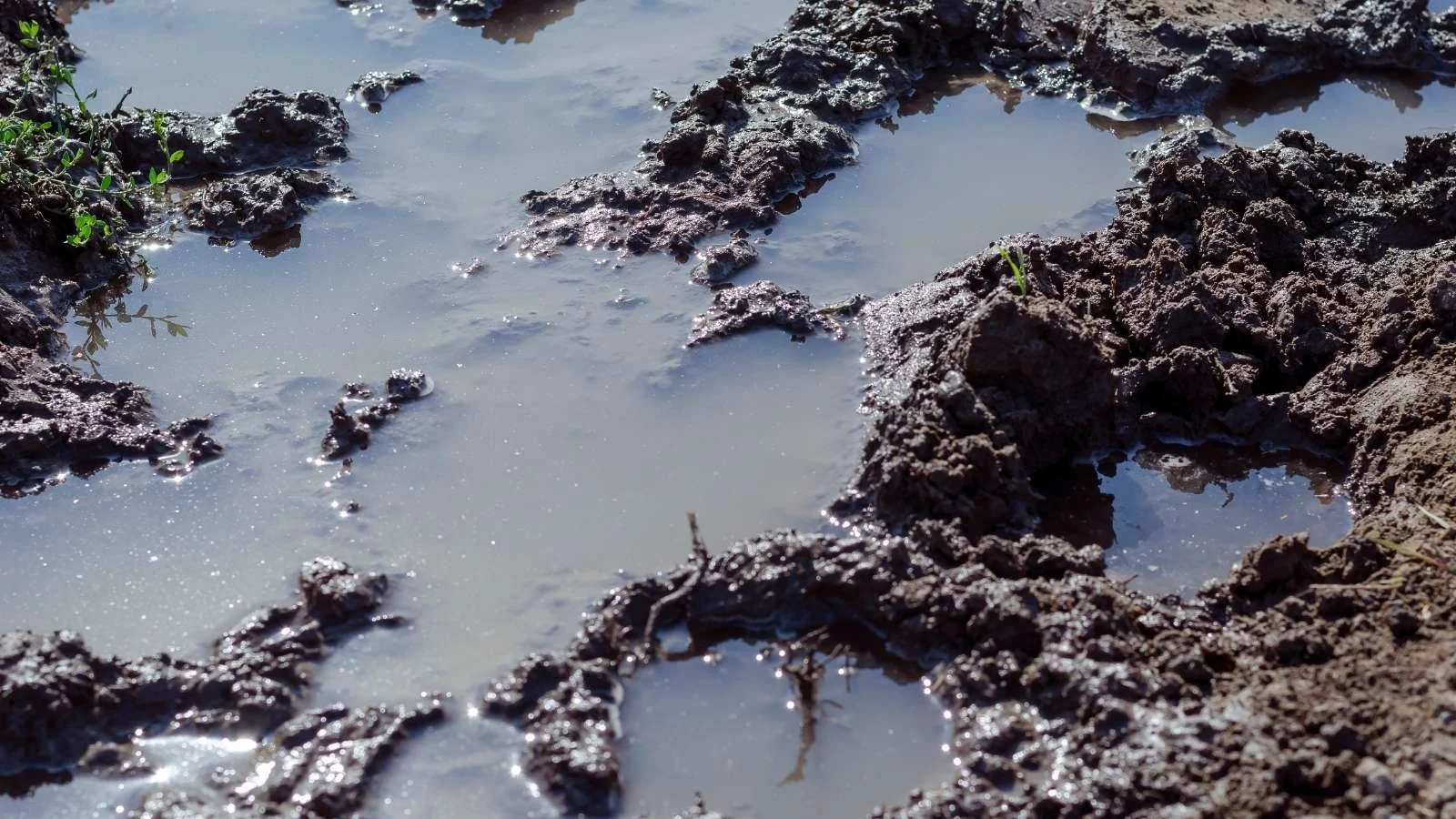
Excess water in soils and pugging from stock can significantly reduce pasture and crop performance. Compacted, waterlogged soils restrict root growth, limit nutrient uptake, and slow recovery after grazing or harvest.
Many growers are seeing excellent recovery without mechanical intervention by supporting soil structure and biology with our products. Pastures regrow faster, soils recover, and productivity improves — all naturally.
Why wet soil damage and pugging occur
Wet soils are vulnerable to physical stress from grazing or machinery. Common causes include:
High rainfall or irrigation
Excess water saturates the soil, making it more prone to compaction and restricted aeration.
Stock pressure
Livestock treading on wet soils compresses pore space, reducing oxygen and limiting root growth.
Poor soil structure
Weak aggregation and low organic matter make soils more easily compacted under stress.
Slow recovery biology
Soils lacking healthy microbial activity recover more slowly after damage.
The combination of these factors reduces pasture resilience, slows regrowth, and can contribute to long-term soil degradation.
Why standard approaches sometimes fail
While mechanical interventions like aeration or drainage can help, they aren’t always needed. Many growers now see that supporting soil biology and structure with our products can achieve recovery without machinery.
Reduces cost and labour
Accelerates regrowth after grazing or wet events
Improves long-term soil function and pasture performance
How to improve wet soil resilience naturally
Growers can support recovery and reduce pugging damage by:
Strengthening soil structure with biological support
Boosting microbial activity to accelerate recovery
Managing grazing timing and intensity to minimise soil stress
Encouraging deeper, stronger root systems to resist compaction
When applied correctly, these practices allow soils to recover faster — often without mechanical intervention.
Where our products fit (practical tools growers use)
Our products strengthen soil resilience, structure, and biology, helping pastures and crops withstand wet conditions and pugging:
Lazerhume
Enhances soil biology and aggregation, improving resilience to waterlogging and compaction.
Optimise iO
Supports microbial activity and nutrient cycling, helping soils recover quickly after pugging or wet events.
Restore
Provides extra biological support for stressed soils, encouraging faster pasture regrowth.
Turbo N
Supports nutrient uptake and efficient growth in recovering pastures, improving consistency after damage.
Used consistently, these products help soils recover faster and maintain productivity even under wet conditions.
When this approach may need extra support
Extremely clay-heavy or poorly drained soils may still benefit from additional drainage in severe conditions
Severe or repeated pugging can slow recovery
Low fertility soils recover more slowly without supplementary nutrients
Even in these cases, using our products significantly improves recovery and soil function, often reducing or eliminating the need for mechanical interventions.
Related growing problems
Wet soil damage often occurs alongside:
Frequently asked questions
Can these products replace mechanical aeration?
Yes — in many cases, growers see excellent soil recovery and pasture regrowth without mechanical intervention, although extremely heavy soils or extreme conditions may still require support.
How quickly will pastures recover?
Visible regrowth can often be seen within weeks, depending on soil type, pasture, and weather conditions.
Are these products suitable for both pasture and crops?
Yes. They support soil structure, microbial activity, and nutrient efficiency across pasture and crop systems.
Key takeaway
Wet soils and pugging can reduce productivity, but supporting soil biology, structure, and nutrient cycling can enable pastures and crops to recover naturally, often without mechanical intervention. Using our products strengthens resilience, improves nutrient use, and protects long-term soil health.
Wet Soil Damage & Pugging Stress
Related evidence & results:
Wet Soil Damage & Pugging Stress — Field Results & Agronomic Interpretation — learn how biological support helps recovery from pugging and improves soil structure.
Discover solutions to the most common pasture, crop, and soil problems.
Visit our Growing Problems Hub to explore all growing challenges and practical solutions for healthier, more productive pastures, crops & vines.