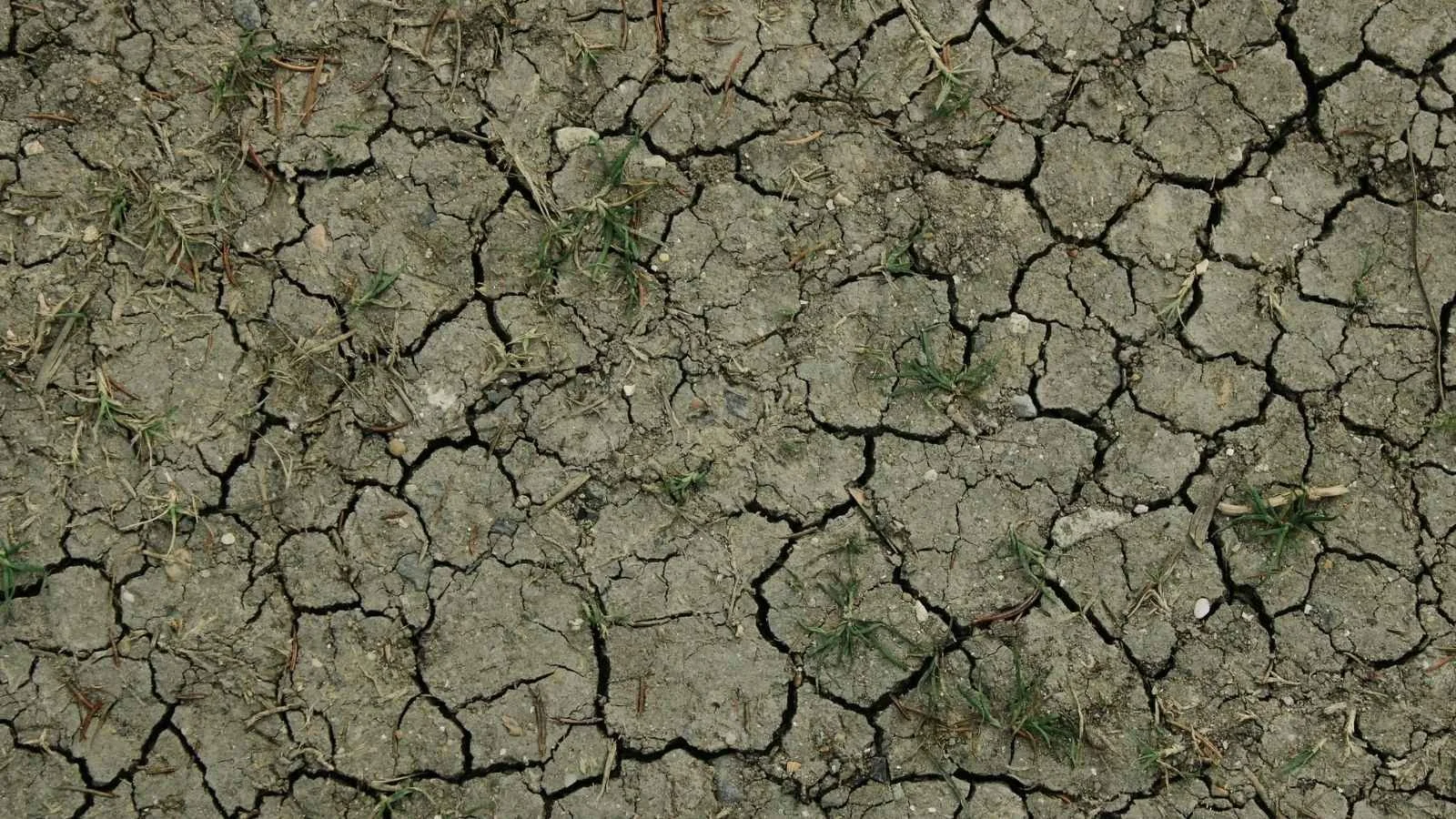
Compacted Soils
Growing Problem Overview
When soil is too dense for roots
Compacted soils reduce air, water, and nutrient movement, making it harder for plants to grow. Even with correct fertiliser and irrigation, crops and pastures may struggle to establish or recover.
Our experience shows that with the right biological support, compacted soils can be improved without mechanical intervention, allowing roots to penetrate more freely, nutrient uptake to improve, and growth to become more uniform.
Why compaction is a problem
Limited root growth: Dense soil restricts roots, limiting access to water and nutrients.
Reduced water infiltration: Water may pool on the surface, increasing stress during dry or wet periods.
Lower microbial activity: Compacted soils reduce oxygen, slowing beneficial microbial processes.
Patchy growth: Crops and pastures appear uneven, with stressed areas struggling to thrive.
How to improve compacted soils with products
Rather than relying on machinery, soil compaction can be addressed biologically. Supporting soil microbes and improving soil structure naturally helps plants grow through denser areas:
Increase microbial activity: Beneficial microbes loosen soil and improve nutrient cycling.
Support root growth and nutrient availability: Healthy soil biology encourages deeper, stronger roots.
Boost organic carbon: Enhances soil structure and water-holding capacity.
Where our products fit (practical tools growers use)
Our products have been proven to reverse compaction naturally and support strong plant growth:
Lazerhume
Stimulates soil microbial activity, improving soil structure and root penetration.
Restore
Provides extra biological support for stressed soils, helping crops and pastures thrive.
Optimise iO
Supports microbial populations and stabilises nutrients, improving growth in previously compacted areas.
These products work effectively on their own, helping growers see visible improvements in plant performance and soil resilience without heavy machinery.
When this approach won’t help
While our products are highly effective, extremely poor drainage or chemical contamination may still require additional management. Otherwise, compacted soils respond well to consistent biological support.
Related growing problems
Compacted soils often overlap with:
Addressing compaction biologically improves root growth, nutrient efficiency, and overall system performance.
Frequently asked questions
Can these products really fix compaction without machinery?
Yes. Our biological approach improves soil structure naturally, allowing roots to penetrate and crops to grow without mechanical intervention.
How quickly will I see improvements?
Visible improvements in plant growth can often be seen within weeks, with full soil resilience developing over a season or two.
Do I need to change fertiliser programs?
Not necessarily — these products complement existing nutrient programs and improve overall efficiency.
Key takeaway
Compacted soils don’t always need mechanical intervention. Using our biologically active products alone, growers can improve root growth, nutrient uptake, and crop performance, creating healthier, more resilient pastures and crops.
Compacted Soils – Improve Soil Structure & Root Growth
Related evidence & results:
Compacted Soils — Field Results & Agronomic Interpretation — see how biological support can improve soil structure and reduce compaction impact.
Explore all common growing problems and solutions in our “Growing Problems Hub.”