Nutrient Efficiency
Understanding What Happens After Nutrients Reach the Farm
A fertiliser spreader crosses a paddock.
Granules fall onto the soil.
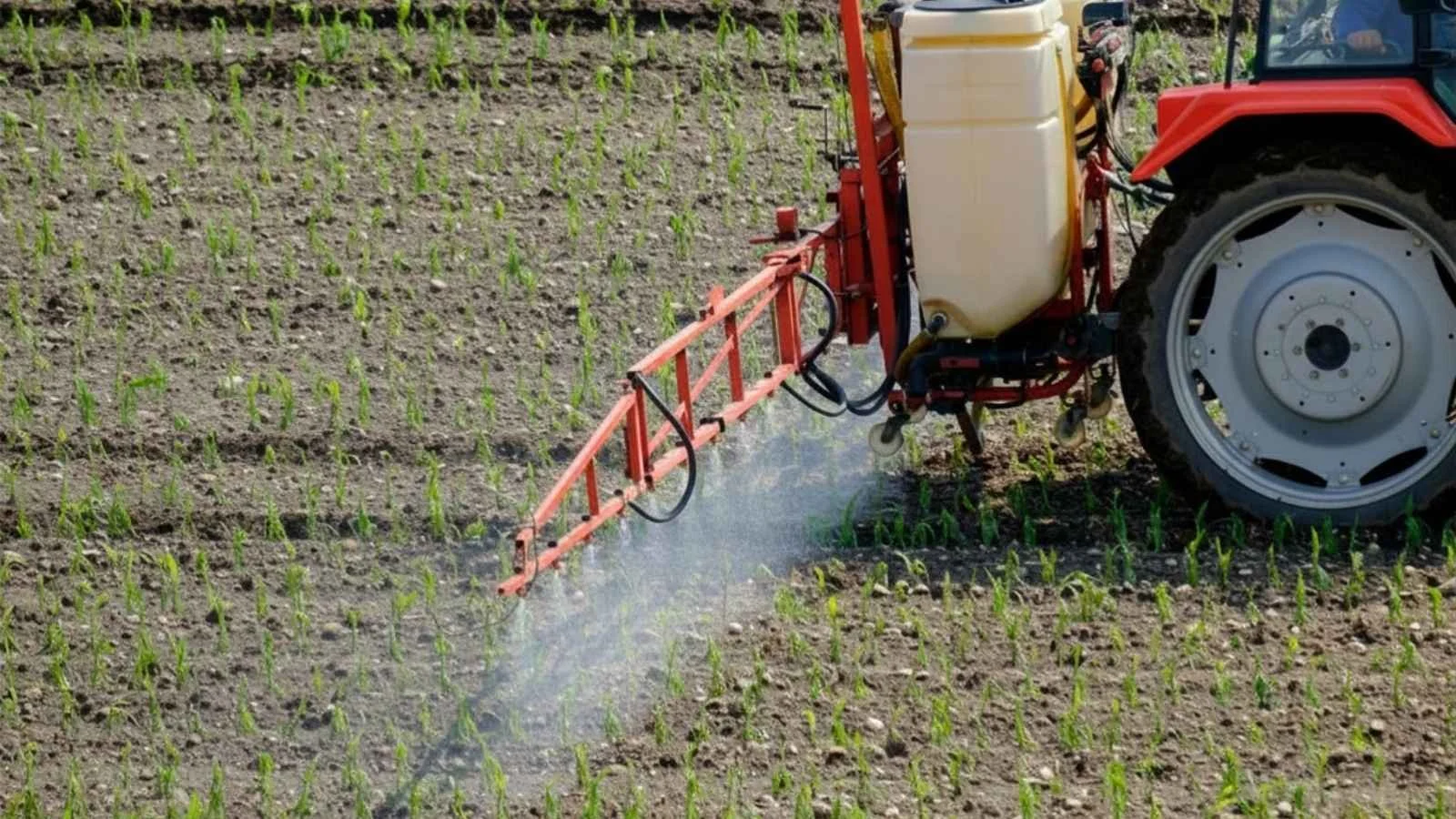
A sprayer passes over a crop.
Nutrients settle across the leaves and the ground beneath them.
From the surface, the job may appear complete.
The right nutrient has been selected.
The rate has been calculated.
The application has been made.
But for the farming system, the journey has only just begun.
Before an applied nutrient can contribute to growth, it must pass through a changing environment of water, soil, roots and living organisms.
It may dissolve.
It may attach to soil particles.
It may enter a root.
It may become temporarily held within organic material or living cells.
It may move away from the active root zone.
Some of it may never reach the plant at all.
Applying nutrients creates an opportunity.
The farming system must still capture and use them.
That is what we mean by nutrient efficiency.
Not simply using less fertiliser.
Not expecting every nutrient applied to enter the plant.
But helping the farming system make better use of the nutrients available to it.
Understanding nutrient efficiency begins by asking what happens after a nutrient reaches the farm.
The Journey Has Only Just Begun
Imagine a nitrogen fertiliser application made across two neighbouring paddocks.
The product is the same.
The rate is the same.
The timing is the same.
Yet the pasture response may be very different.
In one paddock, rain carries the nutrient into moist, well-aerated soil.
Active roots occupy more of the soil profile.
The growing pasture is ready to respond.
In the neighbouring paddock, the surface is compacted.
Root growth is shallow.
Parts of the soil remain saturated while others dry quickly.
The pasture is already under stress.
The same amount of nutrient has been applied.
But the opportunity to capture and use it is different.
This is why nutrient efficiency cannot be understood from the application rate alone.
The rate tells us how much nutrient entered the farming system.
It doesn’t tell us how much the plant was able to use.
Between application and plant growth lies an entire series of processes.
Each influences what happens next.
Nutrients Are Always Moving
It’s easy to imagine nutrients sitting in the soil, waiting for roots to collect them.
In reality, they are continually moving and changing.
Some dissolve into soil water.
Some attach to mineral or organic surfaces.
Some enter plant roots.
Some are taken up by soil organisms.
Some become part of plant or animal residues before returning to the soil again.
Water carries nutrients from one place to another.
Roots remove them from the soil solution.
Living organisms use and release them.
Chemical conditions alter the forms in which they’re held.
The same nutrient may pass through the farming system many times.
From soil to plant.
From plant to animal.
From animal back to soil.
From organic material into living organisms.
And eventually back into a form another plant can use.
Nutrient efficiency isn’t a single event.
It is the result of how effectively the farming system captures, retains, cycles and uses nutrients over time.
Reading the Plant’s Response
Every nutrient application tells a story.
Sometimes the response is quick and obvious.
Pasture becomes greener.
Growth accelerates.
A crop canopy develops more evenly.
At other times, the response is smaller than expected.
Growth remains patchy.
One area responds while another barely changes.
The effect lasts only briefly.
It can be tempting to conclude that more nutrient is needed.
Sometimes that is the correct answer.
But sometimes the nutrient itself isn’t the main limitation.
The soil may be too dry for it to move towards the root.
The ground may be saturated and lacking air.
Roots may occupy only a small part of the soil profile.
The plant may be limited by another nutrient or by conditions restricting growth.
A plant cannot use additional nutrients simply because they are present.
It must have the roots, water, energy and growing conditions needed to capture and convert them.
The size of the response can tell us as much about the farming system as it does about the fertiliser.
The challenge is learning how to read what that response is telling us.
What Creates Nutrient Efficiency?
Nutrient efficiency doesn’t depend on one process.
It emerges from several parts of the farming system working together.
The nutrient must be available in a form the plant can use.
Water must be present to help move it.
Roots must be active and able to reach it.
The soil must retain enough of it within the active root zone.
The plant must be growing strongly enough to convert it into new tissue.
If one of these becomes restricted, the opportunity created by the application becomes smaller.
This is why improving nutrient efficiency isn’t simply about changing fertiliser.
It’s about understanding the environment in which that fertiliser must perform.
Timing
Plants don’t require the same amount of every nutrient throughout the season.
Their demand changes.
A newly establishing crop has different needs from one approaching maturity.
Pasture recovering after grazing behaves differently from pasture already under moisture stress.
The farming system is also changing.
Soil temperature rises and falls.
Rainfall alters moisture.
Root activity increases and slows.
An application made when plant demand, root activity and soil conditions align creates a different opportunity from the same application made under difficult conditions.
The nutrient may be identical.
The farming system receiving it is not.
Water
Roots don’t search through dry soil and collect fertiliser granules one by one.
Most nutrients must first become part of the soil solution.
Water dissolves them.
It helps carry them towards growing roots.
But water can also carry nutrients away.
If water moves mainly through cracks and channels, nutrients may pass quickly through one part of the soil while leaving another relatively untouched.
If the soil is too dry, nutrients may remain present but unable to move effectively towards roots.
Nutrient movement follows the pathways the soil provides.
Roots
A nutrient can only benefit the plant if the plant can reach and use it.
Every new root explores another part of the soil.
Every fine root creates another point of contact.
A deeper, more highly branched root system has access to a larger volume of soil.
That doesn’t mean it will capture every available nutrient.
But it creates more opportunities.
The issue isn’t always how much nutrient is present.
Sometimes it’s how much of the nutrient-containing soil the plant can explore.
Soil
Soil does more than provide roots with somewhere to grow.
Its mineral particles and organic materials contain surfaces capable of holding and exchanging certain nutrients.
This can help keep them within the soil rather than allowing them to move immediately with water.
Living organisms add another layer.
They take up nutrients as they grow and release them as organic materials are broken down.
A nutrient held within a living organism may be temporarily unavailable to the plant, but it hasn’t necessarily been lost.
It has become part of the continuing cycle.
A functioning soil doesn’t simply contain nutrients.
It continually holds, exchanges, transforms and releases them.
When the Connections Begin to Break Down
Nutrient losses are sometimes discussed as though they result from one poor decision.
In reality, they can emerge from several limitations acting together.
Imagine fertiliser being applied to a paddock with shallow roots and restricted soil structure.
Rain arrives.
The nutrient dissolves.
But the water doesn’t move evenly through the soil.
Some remains on the surface.
Some travels through a small number of channels.
The active root system occupies only the upper part of the profile.
The plant captures what it can.
The rest remains vulnerable to movement, conversion or loss.
What appears to be a fertiliser problem may have begun with soil structure.
Or restricted root development.
Or timing.
Or plant demand.
Or the way water moved after application.
This is why low nutrient efficiency cannot always be solved by changing the application rate alone.
The visible result may be emerging from a much wider set of conditions.
A Different Way to Think About Nutrient Efficiency
After years of looking at fertiliser responses in the field, one lesson continues to stand out.
The most important question isn’t always,
“How much nutrient did we apply?”
It is often,
“How much opportunity did the farming system have to use it?”
That small change in thinking shifts the focus.
From application alone to application and capture.
From nutrient quantity to nutrient movement.
From fertiliser response to the soil, roots and plant receiving it.
Improving nutrient efficiency doesn’t mean nutrients are no longer required.
It doesn’t replace soil testing, plant testing, fertiliser planning or sound agronomic advice.
And it doesn’t mean every loss can be prevented.
Farming systems are open systems.
Nutrients continually enter, move through and leave them.
The opportunity is to better understand that journey and give more of the nutrients already available a chance to contribute to productive growth.
What We’ve Learnt From the Field
Over more than twenty years of working alongside New Zealand farmers and growers, we’ve seen the same fertiliser programme produce very different results.
Different soils.
Different seasons.
Different root systems.
Different levels of plant demand.
Sometimes the strongest response hasn’t come from applying the greatest amount.
It has come where the conditions surrounding the application were better aligned.
Moisture was available.
Roots were active.
The soil allowed water and air to move.
The plant was ready to grow.
We’ve also seen paddocks where more input didn’t resolve the underlying limitation.
The plant couldn’t make full use of what was already present.
These observations have changed the questions we ask.
Instead of looking only at what is being applied, we look at what happens afterwards.
How evenly did the paddock respond?
How long did the response last?
Were roots actively exploring the soil?
What happened after rainfall?
What else may have limited growth?
Good fertiliser management has always involved matching nutrients to plant requirements.
Understanding nutrient efficiency helps us see more clearly what determines whether that match succeeds.
Why We Develop Products
Everything you’ve read on this page influences the way we think about farming.
And it influences the way we develop products.
Over many years, we’ve learnt that farming systems are connected.
Soil function influences nutrient movement and retention.
Roots determine how much of the soil the plant can explore.
Water helps connect available nutrients with those roots.
Plant performance determines whether captured nutrients can be converted into productive growth.
Because of those connections, we don’t begin product development with ingredients.
We begin with understanding.
We ask a simple question:
Which natural farming process are we trying to better support?
The answer gives every product a purpose.
Some products primarily support nutrient efficiency or fertiliser programme performance.
Others focus on soil function, root development or plant performance.
Many contribute across several parts of the farming system because that’s how nutrient use actually works.
For us, products aren’t the starting point.
They’re the outcome of trying to better understand how farming systems perform.
Nutrient Efficiency is one of four connected foundations within the DCT Farm Performance Framework.↓
Continue Exploring the other foundations:
-
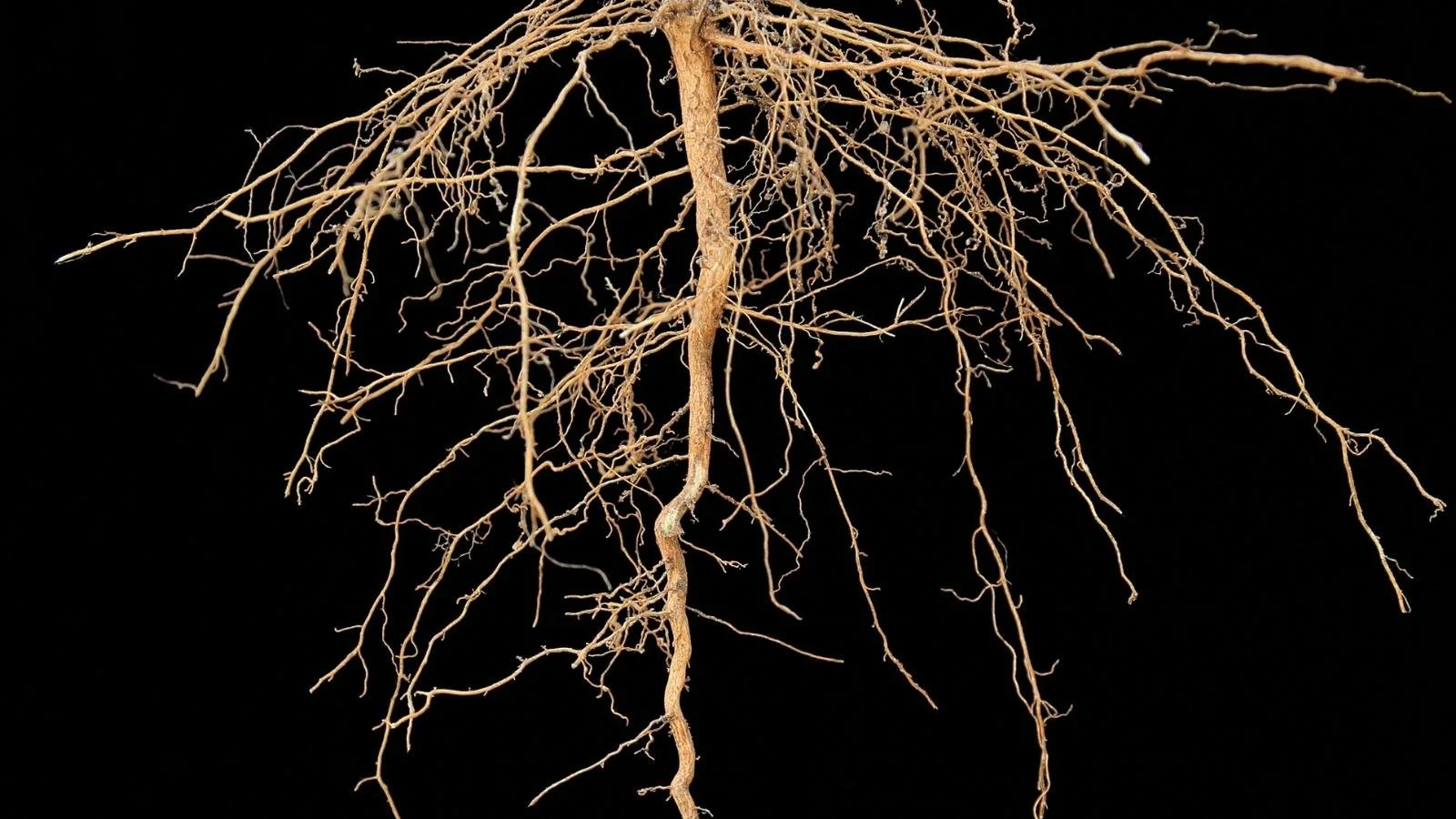
Root Development
Understanding how plants explore the soil for water and nutrients.
-

Soil Function
Understanding the environment where roots, water, nutrients and living processes interact.
-
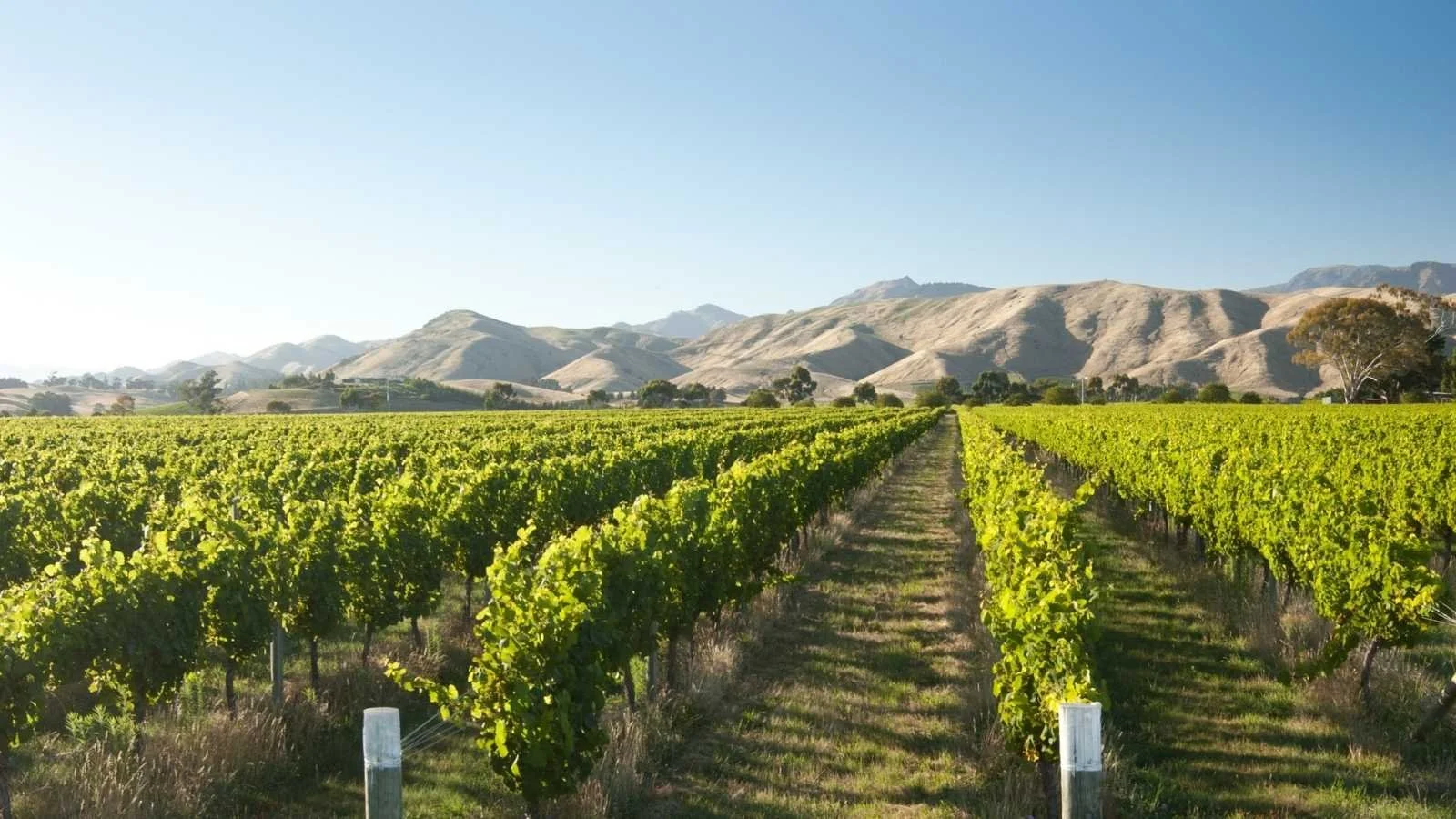
Plant Performance
Understanding how plants convert available resources into productive growth.
Part of the DCT Farm Performance Framework
This page forms part of the DCT Farm Performance Framework—our guide to understanding how connected farming systems influence long-term farm performance.
If you'd like to understand how this topic fits into the bigger picture, start with What Really Drives Farm Performance?