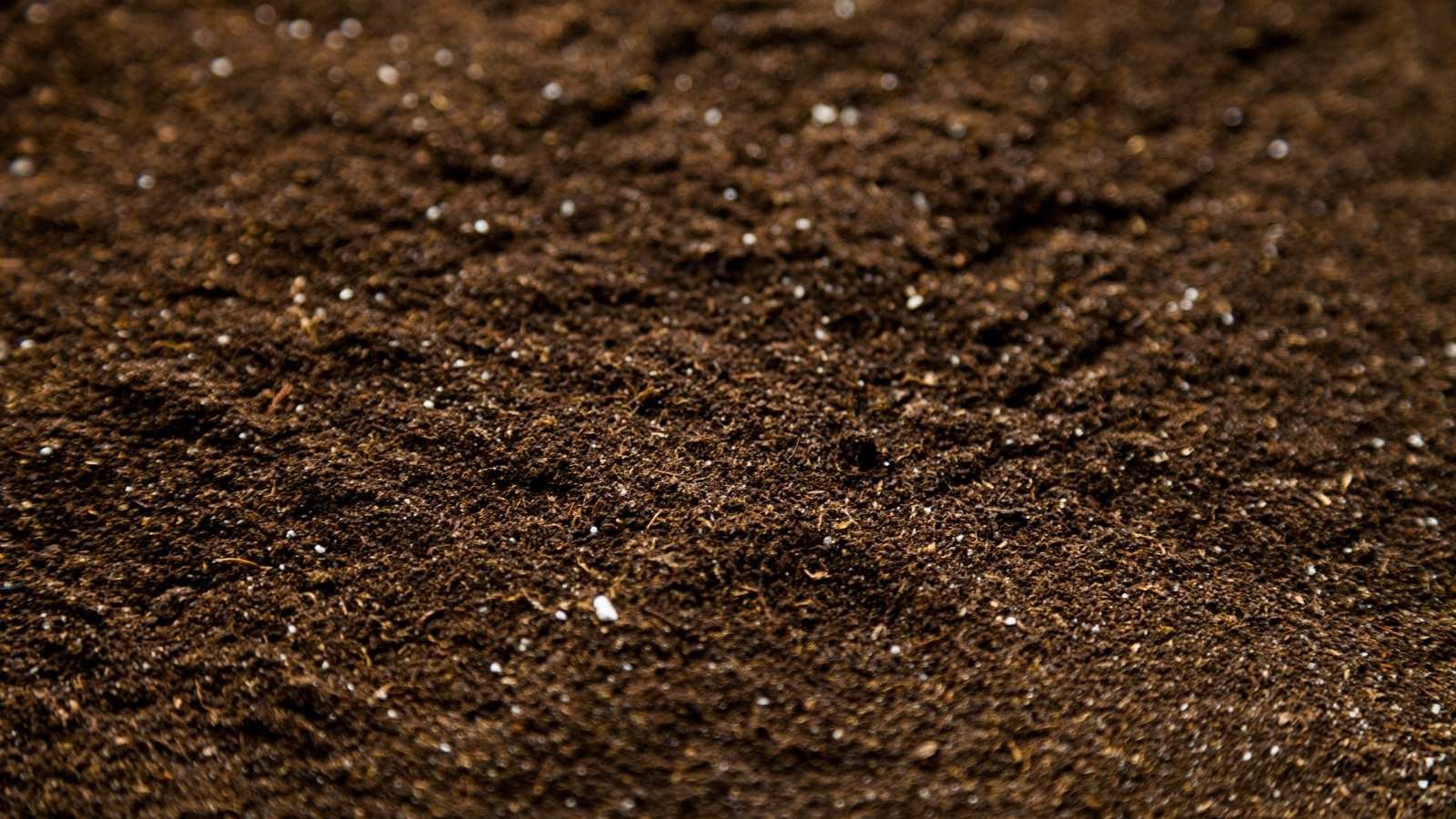
Soil Function
Understanding the Environment Where Farm Performance Begins
From the surface, a paddock can appear almost still.
Pasture moves in the wind.
Animals graze.
Rain passes overhead.
But beneath the surface, the soil is constantly responding.
Water enters and moves through narrow spaces.
Air is displaced and gradually drawn back in.
Roots explore the pathways available to them.
Nutrients move between water, soil particles, roots and living organisms.
Plant material is broken down and transformed.
New structures form.
Older ones weaken.
Most of this happens beyond our sight.
Yet together, these processes help determine how effectively the farming system above them can perform.
That is what we mean by soil function.
Not soil as a collection of individual measurements.
But soil as a working environment.
An environment where roots, water, air, nutrients and living organisms interact.
Understanding soil function begins by looking beneath the surface and asking a deceptively simple question:
What is this soil actually able to do?
Why Soil Function Matters
Imagine rain beginning to fall across two neighbouring paddocks.
From above, the rainfall is the same.
But the moment it reaches the ground, two very different journeys can begin.
In one paddock, the water enters easily.
It moves through connected spaces, spreading into the soil and gathering around its particles.
Some remains available to roots.
Some continues deeper.
As the rain passes and the water drains, air gradually returns.
In the neighbouring paddock, the surface has become dense and restricted.
Water enters more slowly.
Some begins to collect.
Some moves across the surface.
Some follows a small number of cracks and channels, leaving much of the surrounding soil untouched.
The same rain has fallen.
But the opportunity it creates is different.
Now imagine roots exploring those two environments.
In one, they find pathways containing water, air and nutrients.
They branch.
They move deeper.
Fine roots spread through the spaces around them.
In the other, they meet resistance.
Some roots change direction.
Others remain close to the surface.
The volume of soil available to the plant becomes smaller.
The differences above the ground may not appear immediately.
But the conditions producing them have already begun.
This is why soil function matters.
It influences what happens after rain falls, fertiliser is applied and roots begin to grow.
Healthy soil function doesn’t guarantee better farm performance.
But it creates more opportunities for roots, water, nutrients and management to work effectively.
Soil Is Always Changing
It’s easy to think of soil as something permanent.
The soil type remains the same.
The paddock stays in the same place.
The fence lines barely move.
But the environment beneath them is never truly still.
Every rainfall event changes the balance between water and air.
Every dry period removes moisture.
Every root creates a pathway.
Every grazing returns nutrients and organic material to the surface.
Every pass of machinery applies pressure.
Every crop takes resources from the soil and leaves something behind.
Below ground, living organisms continue working.
They consume.
They transform.
They release nutrients.
They influence the environment around them.
Some soil particles bind together.
Others separate.
Old roots disappear while the channels they created remain.
Soil is continually being shaped by weather, plants, animals and management.
Sometimes those changes create more opportunity.
Sometimes they create less.
Soil function isn’t a permanent condition.
It’s the result of many small influences accumulating over time.
Reading the Soil
Every soil tells a story.
Some soils crumble easily in your hand.
Others come out of the ground in large, hard pieces.
Some allow rainfall to disappear almost as it lands.
Others remain wet at the surface long after the rain has passed.
Some contain fine roots throughout the soil profile.
Others contain most of their roots within the first few centimetres.
These differences aren’t always obvious when looking across a paddock.
The pasture may still appear green.
The crop may continue growing.
The vines may not yet show signs of stress.
But the soil may already be revealing where future limitations are likely to appear.
That’s why a spade can be one of the most useful tools on a farm.
Look at how the soil breaks apart.
Notice where roots change direction.
Compare the ground beneath the strongest growth with the ground beneath the weakest.
Watch where water remains after rain.
None of these observations provides the whole answer.
But each reveals another part of the story.
The challenge isn’t simply looking at the soil.
It’s learning how to interpret what we find.
What Allows Soil to Function?
Healthy soil isn’t solid.
Pick up a handful and much of what you see will be mineral particles, roots and organic material.
But much of what makes that soil work is found in the spaces between them.
Some spaces allow rainfall to enter.
Some store moisture.
Some contain air.
Some create pathways for roots and soil organisms.
These spaces may appear empty.
In reality, they’re where much of soil function happens.
When they’re well connected, water can move through the soil more evenly.
As water drains or is used by plants, fresh air can return.
Roots can continue exploring.
Living organisms can occupy the environment around them.
When those spaces are lost, the soil doesn’t stop functioning.
But almost every process becomes more difficult.
Water moves more slowly.
Air is replaced less easily.
Roots encounter greater resistance.
Nutrients and moisture may still be present, but fewer roots can reach them.
Healthy soil structure doesn’t mean the soil must always be soft or loose.
It means the soil can hold together while retaining enough connected space to continue working.
When the Connections Begin to Break Down
Soil limitations rarely remain isolated.
Imagine wet soil being repeatedly placed under pressure.
As its particles are pushed closer together, some of the spaces between them disappear.
With fewer connected spaces, rainfall enters more slowly.
Water remains near the surface for longer.
Air has fewer opportunities to return.
Roots encounter greater resistance and begin following the pathways that remain.
Some spread sideways.
Others stop exploring deeper soil.
The plant now has access to a smaller environment.
Less water within reach during dry periods.
Fewer nutrients available to the root system.
Less root activity carrying plant-derived carbon deeper into the soil.
What began as a physical restriction now influences water, air, roots, living processes and nutrient use.
This is why soil problems can be difficult to understand when viewed separately.
Poor infiltration isn’t only a water problem.
Compaction isn’t only a soil-hardness problem.
Restricted roots aren’t only a plant problem.
Low nutrient efficiency isn’t only a fertiliser problem.
Each may be a different expression of the same connected limitation.
The Living Soil
Roots don’t explore the soil alone.
Around every growing root is a living community.
Bacteria.
Fungi.
Protozoa.
Nematodes.
Countless other organisms too small to see.
They break down organic material.
They use and release nutrients.
Some contribute to the compounds and structures that help soil particles remain together.
Their activity depends on the environment around them.
They need moisture.
They need air.
They need energy.
Much of that energy begins with plants.
As roots grow, they release small amounts of carbon-rich material into the surrounding soil.
When roots and plant residues die, they become another source of food.
That carbon passes through the soil community, supporting processes that influence nutrient cycling and soil structure.
The relationship works in both directions.
The soil environment influences the roots.
Roots help feed the living soil.
Living organisms influence the environment in return.
None reaches its full potential alone.
Applying Nutrients Is Only the Beginning
When fertiliser reaches the paddock, its journey isn’t complete.
It has only just begun.
Nutrients may dissolve into soil water.
They may attach to soil and organic surfaces.
They may enter roots.
They may be taken up temporarily by living organisms.
Some may remain within reach of the plant.
Others may move beyond the active root zone or become difficult to access.
The outcome depends on more than the quantity applied.
It depends on the soil receiving it.
How water moves.
How much soil the roots can explore.
Whether the environment supports active roots and nutrient cycling.
This is why applying a nutrient and using a nutrient aren’t the same thing.
The input may have reached the soil.
But its value still depends on what happens next.
A Different Way to Think About Soil Function
After years of opening soil pits, one lesson continues to stand out.
Healthy soil is rarely defined by one exceptional measurement.
It’s usually recognised by the way many processes work together.
Water enters.
Air returns.
Roots explore.
Nutrients are retained, exchanged and used.
Living organisms remain active.
Plants return carbon to the soil.
None of this requires perfect soil.
Perfect soil doesn’t exist.
Every soil has its own characteristics, opportunities and limitations.
That’s why improving soil function rarely begins by asking,
“What can we add to the soil?”
It begins by asking,
“What is preventing this soil from functioning more effectively?”
That small change in thinking leads us away from isolated symptoms.
It encourages us to look at the environment creating them.
Soil testing remains important.
So do sound fertiliser planning, drainage, irrigation and careful management.
Understanding soil function doesn’t replace any of them.
It helps us understand the environment in which they must work.
What We’ve Learnt From the Field
Over more than twenty years of working alongside New Zealand farmers and growers, we’ve opened countless soil pits.
Every one has been different.
Different soil types.
Different climates.
Different farming systems.
Different histories.
Yet improvements in soil function often leave familiar clues.
Water begins entering the soil more easily.
The soil breaks apart with less force.
Fine roots appear in places where they were previously difficult to find.
Pasture recovers more evenly.
Plants remain productive for a little longer as conditions begin to dry.
These changes don’t always appear together.
And they don’t always happen quickly.
Sometimes the first sign is no more than water disappearing from the surface sooner after rain.
Or a handful of soil crumbling differently.
Or roots beginning to move through a layer they once followed sideways.
Individually, these observations may seem small.
Together, they can indicate that the environment beneath the plant is beginning to function differently.
Good farming has always started with good observation.
Understanding simply helps us observe more clearly.
Why We Develop Products
Everything you’ve read on this page influences the way we think about farming.
And it influences the way we develop products.
Over many years, we’ve learnt that farming systems are connected.
Soil function influences roots.
Roots influence water and nutrient capture.
Plants return carbon to the living soil.
The soil environment helps determine how efficiently available resources can be used.
Because of those connections, we don’t begin product development with ingredients.
We begin with understanding.
We ask a simple question:
Which natural farming process are we trying to better support?
The answer gives every product a purpose.
Some products primarily support soil function.
Others focus on root development, nutrient efficiency, plant performance or fertiliser programme performance.
Many contribute across several parts of the farming system because that’s how healthy farming systems actually work.
For us, products aren’t the starting point.
They’re the outcome of trying to better understand how farming systems perform.
Soil Function is one of four connected foundations within the DCT Farm Performance Framework.↓
Continue Exploring the other foundations:
-
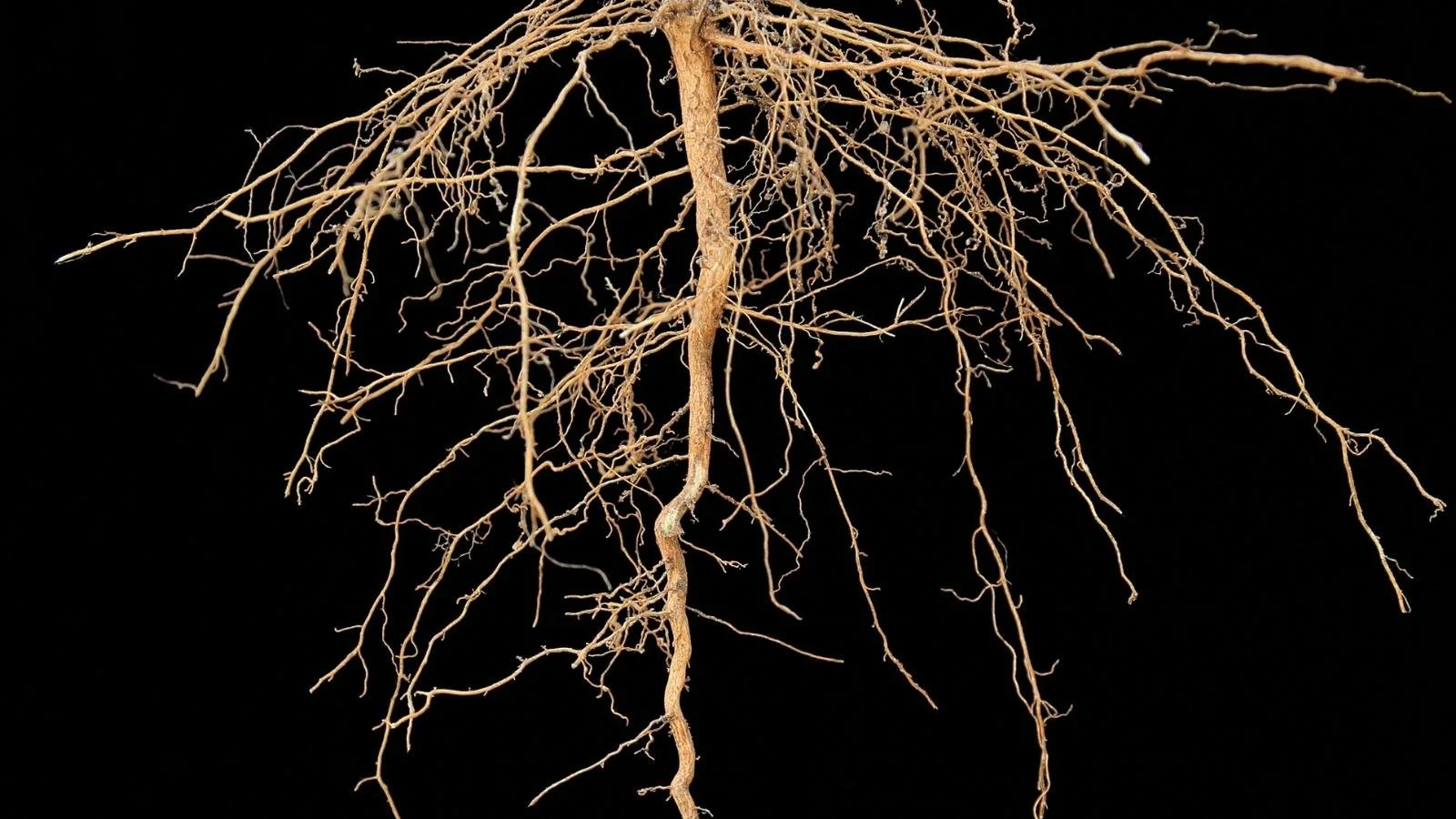
Root Development
Understanding how plants explore the soil for water and nutrients.
-
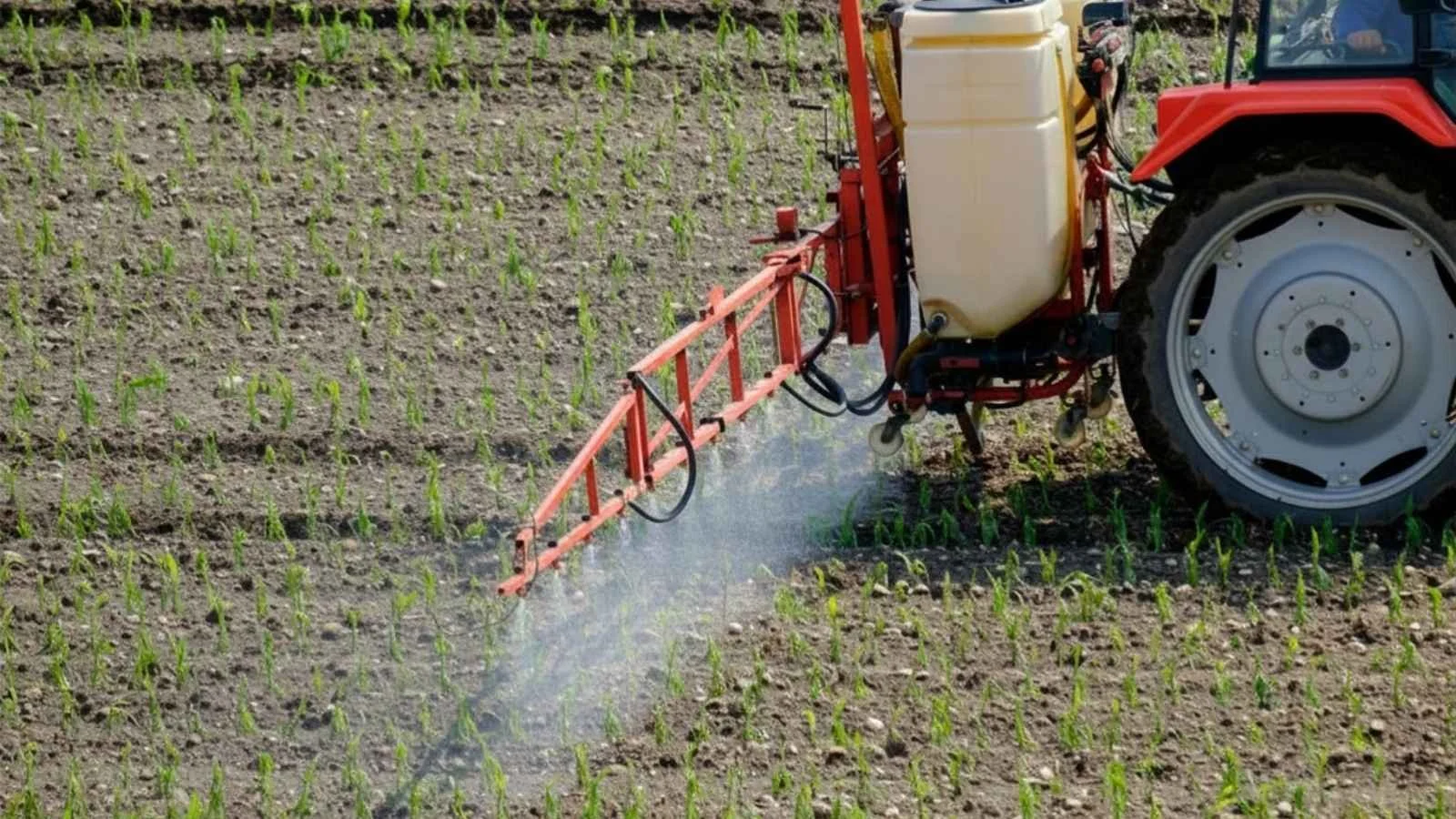
Nutrient Efficiency
Understanding how farming systems capture and use available nutrients.
-
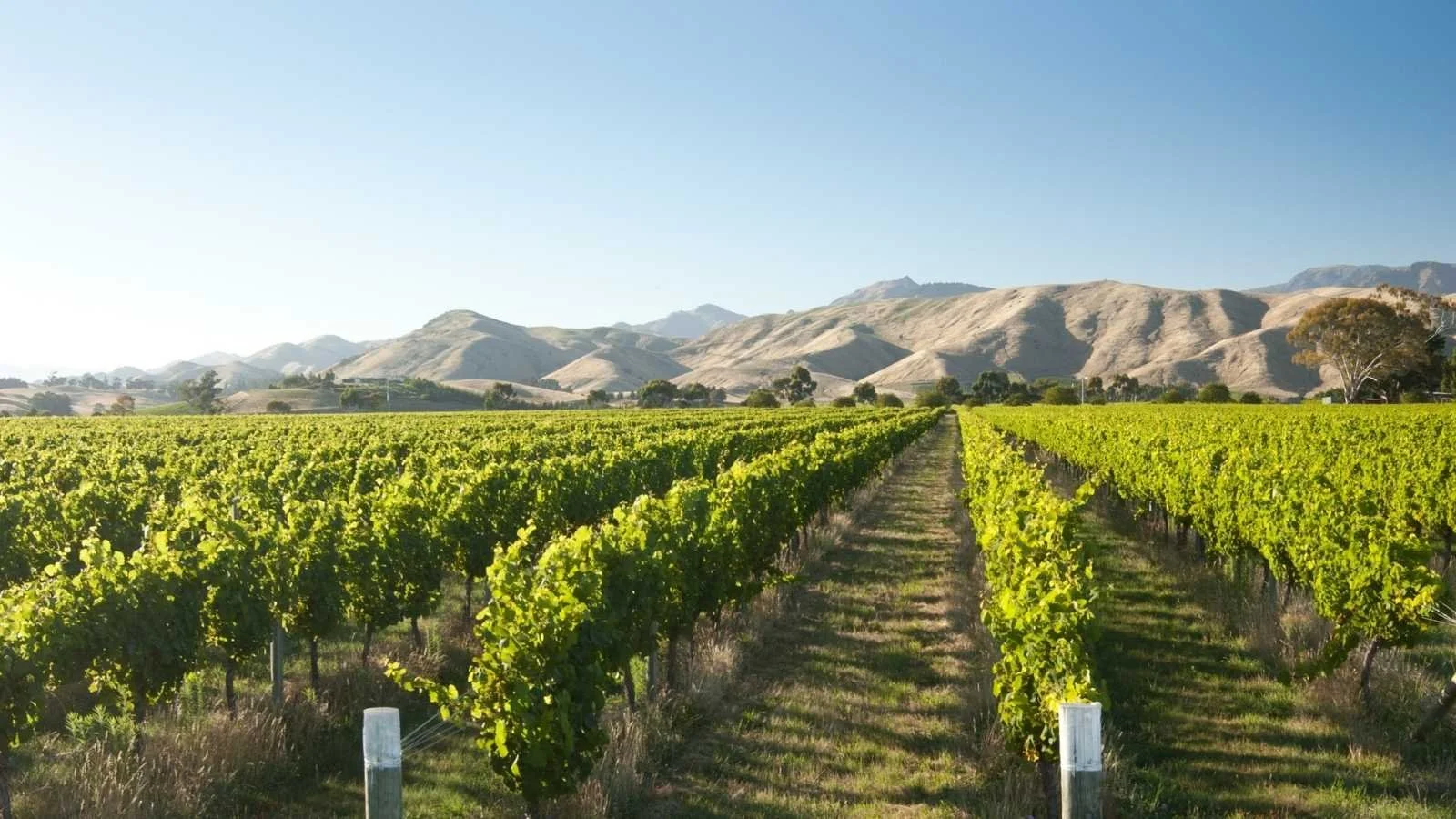
Plant Performance
Understanding how plants convert available resources into productive growth.
Part of the DCT Farm Performance Framework
This page forms part of the DCT Farm Performance Framework—our guide to understanding how connected farming systems influence long-term farm performance.
If you'd like to understand how this topic fits into the bigger picture, start with What Really Drives Farm Performance?