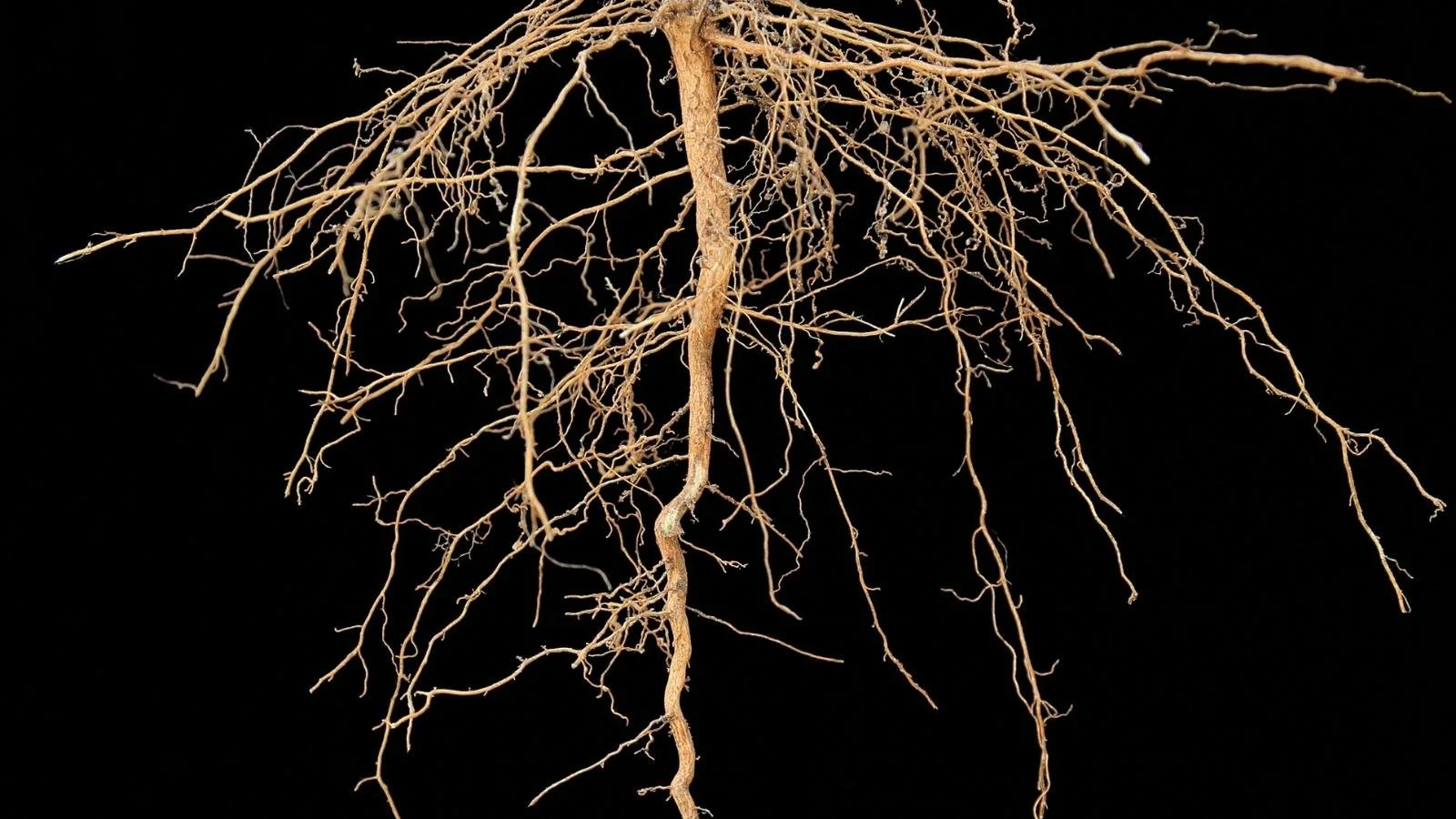
Root Development
Understanding One of the Most Important Drivers of Farm Performance
Most of what determines how well a plant performs happens where we rarely look.
The next time you walk across a paddock, orchard or vineyard, remember that much of the story has already begun beneath your feet.
Long before healthy pasture appears, crops establish or vines produce fruit, roots have been quietly exploring the soil, responding to their environment and searching for the resources the plant needs to grow.
By the time we notice the results above the ground, much of the work has already happened below it.
That’s why root development deserves far more attention than it often receives.
Not because roots are the only part of the farming system that matters.
But because they influence almost everything that follows.
Plants can only use the water and nutrients their roots are able to reach.
Understanding root development isn’t simply about understanding roots.
It’s about understanding one of the natural processes that helps farming systems perform at their best.
Why Healthy Roots Matter
It’s easy to think of roots as little more than the part of the plant that stays underground.
In reality, they’re the plant’s connection to almost everything it needs to survive and grow.
Every drop of water.
Every nutrient.
Every period of recovery after grazing.
Every response to changing seasonal conditions.
It all begins with the root system.
Healthy roots don’t simply collect resources.
They create opportunity.
As roots explore more of the soil, they create more opportunities for the plant to find water, reach nutrients and respond to changing conditions.
That opportunity becomes especially valuable when conditions become difficult.
During dry periods, changing seasons or uneven nutrient availability, a healthy root system gives the plant more options.
The result isn’t simply faster growth.
It’s often more consistent performance.
More reliable pasture recovery.
More even crop establishment.
More resilient vines.
Greater confidence that investments already made in fertiliser, irrigation and management have the opportunity to deliver their full value.
Healthy roots don’t guarantee better farm performance.
But they create more opportunities for it.
Root Systems Are Always Changing
Root systems are never finished.
Every day they respond to the environment around them.
When conditions encourage growth, roots continue exploring.
When conditions become difficult, they adapt.
They slow.
They branch in different directions.
They invest energy where the greatest opportunities exist.
In many ways, the root system is the plant’s way of exploring its environment.
As conditions change, the root system changes with them.
New roots develop.
Fine roots appear and disappear.
Older roots naturally die back while new ones replace them.
Healthy root development isn’t about producing the biggest root system possible.
It’s about creating a root system that can continue exploring, adapting and responding throughout the growing season.
Reading the Root System
Every root system tells a story.
A deep, highly branched root system tells one story.
A shallow root system spreading sideways tells another.
Abundant fine roots tell another.
Long before leaves begin showing signs of stress, roots have often been responding for weeks.
That’s why digging up a plant can sometimes reveal more than looking across the paddock.
The roots have already been responding to the conditions around them.
The challenge is learning how to read what they’re telling us.
What Limits Healthy Root Development?
Healthy roots are remarkably adaptable.
Given the opportunity, they’ll continue exploring new soil, searching for water and reaching nutrients.
But like every living system, they also have limits.
When the environment becomes more difficult, they don’t simply push harder.
They respond.
Sometimes they slow.
Sometimes they change direction.
Sometimes they stop exploring altogether.
The important question isn’t whether roots can grow.
It’s whether the environment gives them the opportunity to.
Soil Structure
Healthy soil isn’t solid.
It contains countless small spaces.
Some hold water.
Some hold air.
Some simply give roots somewhere to grow.
When those spaces are connected, roots move more freely.
Water enters more easily.
Air reaches living roots.
As those spaces disappear, everything becomes more difficult.
Healthy soil structure doesn’t make roots grow.
It gives them somewhere to grow.
Compaction
Roots naturally follow the pathways available to them.
When they encounter compacted soil, many change direction.
Instead of growing deeper, they spread sideways along the easiest path.
The consequence isn’t simply shallower roots.
It’s a smaller world for the plant.
Less soil to explore.
Less water available during dry periods.
Fewer nutrients within reach.
Compaction isn’t simply restricting roots.
It’s reducing the opportunities available to them.
Water and Air
Rainfall is only part of the story.
Roots don’t respond to how much rain has fallen.
They respond to the water available in the soil around them.
Two paddocks can receive the same rainfall and still provide very different opportunities for root growth.
One soil stores moisture while remaining well aerated.
Another dries quickly.
Another stays waterlogged long after the rain has passed.
Roots need moisture.
But like every living part of the plant, they also require oxygen.
Healthy roots depend on an environment where both water and air remain available.
The Living Soil
Healthy roots never grow alone.
Every growing root is surrounded by an extraordinary living community.
Bacteria.
Fungi.
Countless other microorganisms.
Most are invisible.
Yet together they influence the environment around every root.
Some help recycle nutrients.
Some contribute to soil structure.
Others form close relationships with roots, exchanging nutrients and water for sugars produced by the plant.
Roots support this living community.
The living soil supports the roots in return.
Neither reaches its full potential without the other.
Fine Roots
The larger roots usually attract the most attention.
They’re easy to see.
But much of the real work happens in the thousands of fine roots growing from them.
Every fine root explores another small part of the soil.
Another opportunity to find water.
Another opportunity to reach nutrients.
Another opportunity to interact with the living soil.
The strength of a root system isn’t determined by one impressive root.
It’s determined by thousands of small opportunities working together.
Roots Help Shape the Soil
Healthy plants don’t simply take from the soil.
They contribute to it as well.
As roots grow, they release small amounts of carbon-rich material into the surrounding soil.
That material becomes food for the living community around them.
When roots die, they leave organic material and pathways that may later carry water, air or new roots.
Healthy roots don’t simply grow in the soil.
Over time, they help shape it.
A Different Way to Think About Root Development
After spending years looking at root systems, one lesson continues to stand out.
Healthy roots are rarely the starting point.
They’re usually the result.
The result of an environment that has allowed them to keep exploring.
The result of soil that’s easier to move through.
The result of water, air and living processes working together.
The result of many small conditions supporting healthy growth over time.
That’s why improving root development rarely begins by asking,
“How do we grow better roots?”
It begins by asking,
“What is helping—or preventing—them from developing?”
That small change in thinking often leads to much better decisions.
What We’ve Learnt From the Field
Over more than twenty years of working alongside New Zealand farmers and growers, we’ve opened countless soil pits.
Every one has been different.
Different soils.
Different climates.
Different farming systems.
Yet healthy root systems tend to leave familiar clues.
The surrounding soil is usually easier to explore.
Water moves more freely.
Fine roots occupy more of the profile.
Plants recover more consistently.
We’ve also learnt the opposite.
When root systems struggle, the problem is rarely the roots themselves.
More often, they’re responding to the environment around them.
That observation has shaped the way we think.
Instead of asking how to make roots grow, we’ve learnt to ask what is helping—or preventing—them from growing.
Good farming has always started with good observation.
Understanding simply helps us observe more clearly.
Why We Develop Products
Everything you’ve read on this page influences the way we think about farming.
And it influences the way we develop products.
Over many years, we’ve learnt that farming systems are connected.
Roots influence nutrient efficiency.
Soil function influences roots.
Plant performance reflects what’s happening throughout the system.
Because of those connections, we don’t begin product development with ingredients.
We begin with understanding.
We ask a simple question:
Which natural farming process are we trying to better support?
The answer gives every product a purpose.
Some products primarily support root development or soil function.
Others focus on nutrient efficiency, plant performance or fertiliser programme performance.
Many contribute across several parts of the farming system because that’s how healthy farming systems actually work.
For us, products aren’t the starting point.
They’re the outcome of trying to better understand how farming systems perform.
Root Development is one of four connected foundations within the DCT Farm Performance Framework.↓
Continue Exploring the other foundations:
-
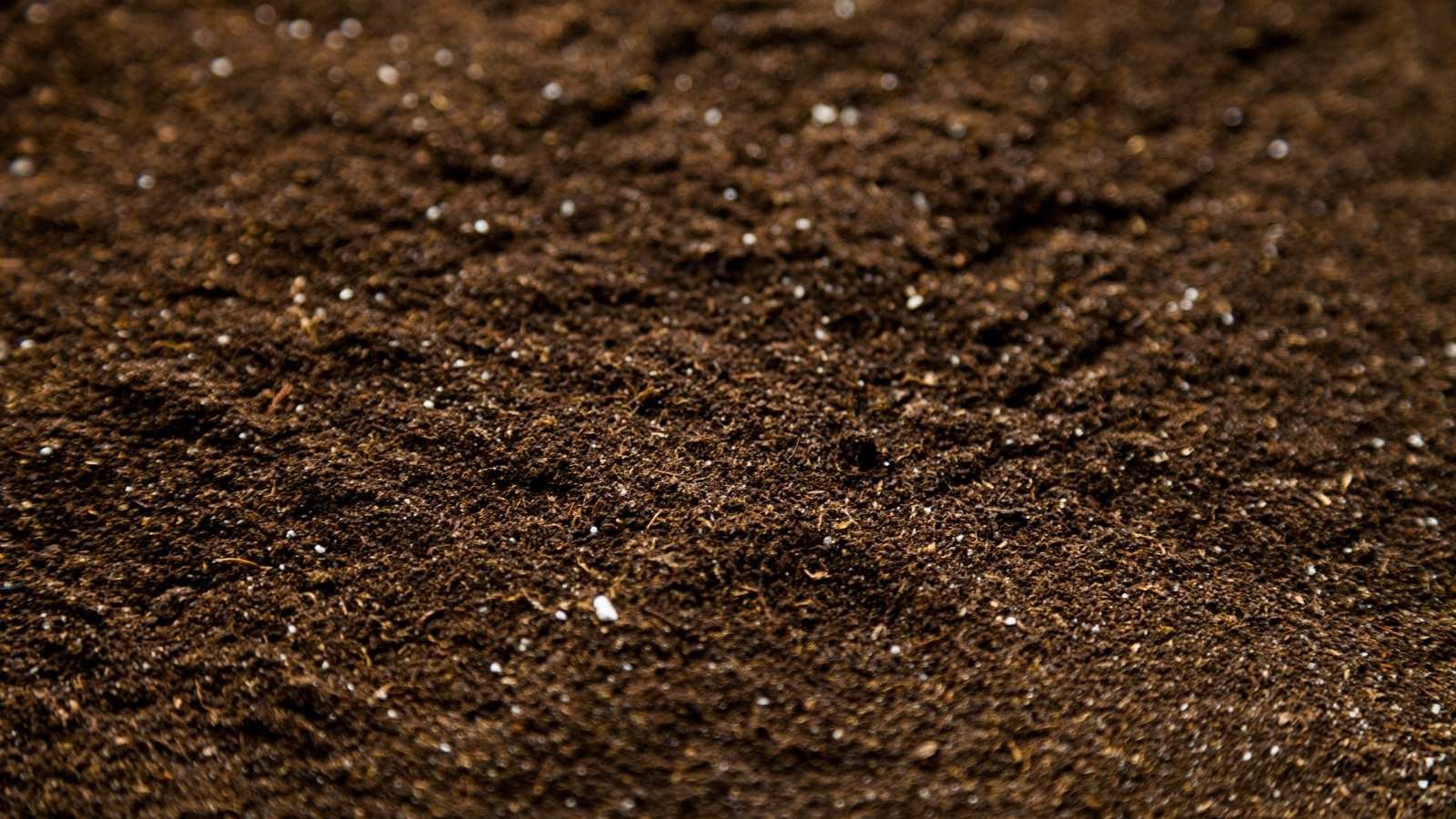
Soil Function
Understanding the environment where roots, water, nutrients and living processes interact.
-
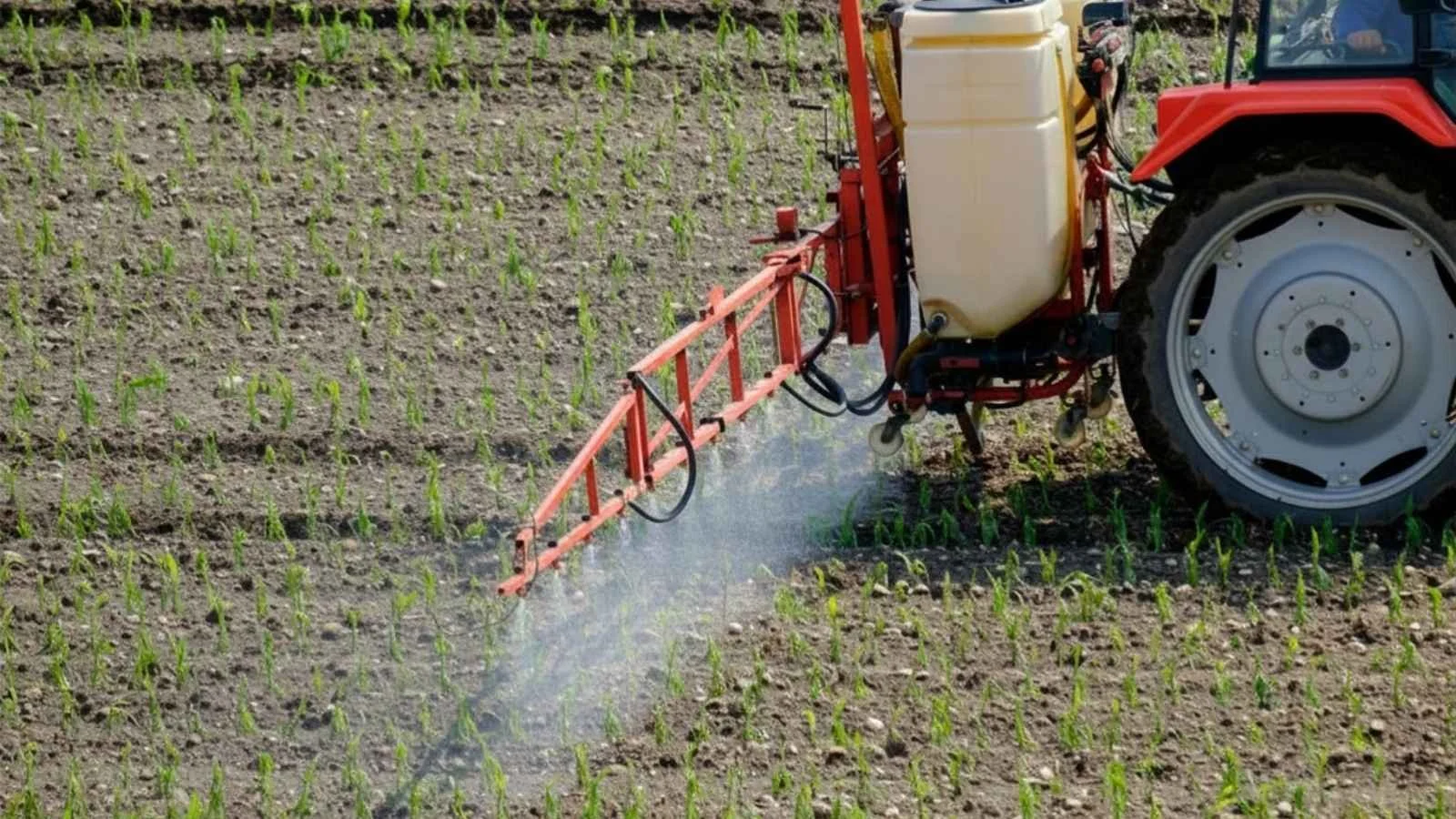
Nutrient Efficiency
Understanding how farming systems capture and use available nutrients.
-
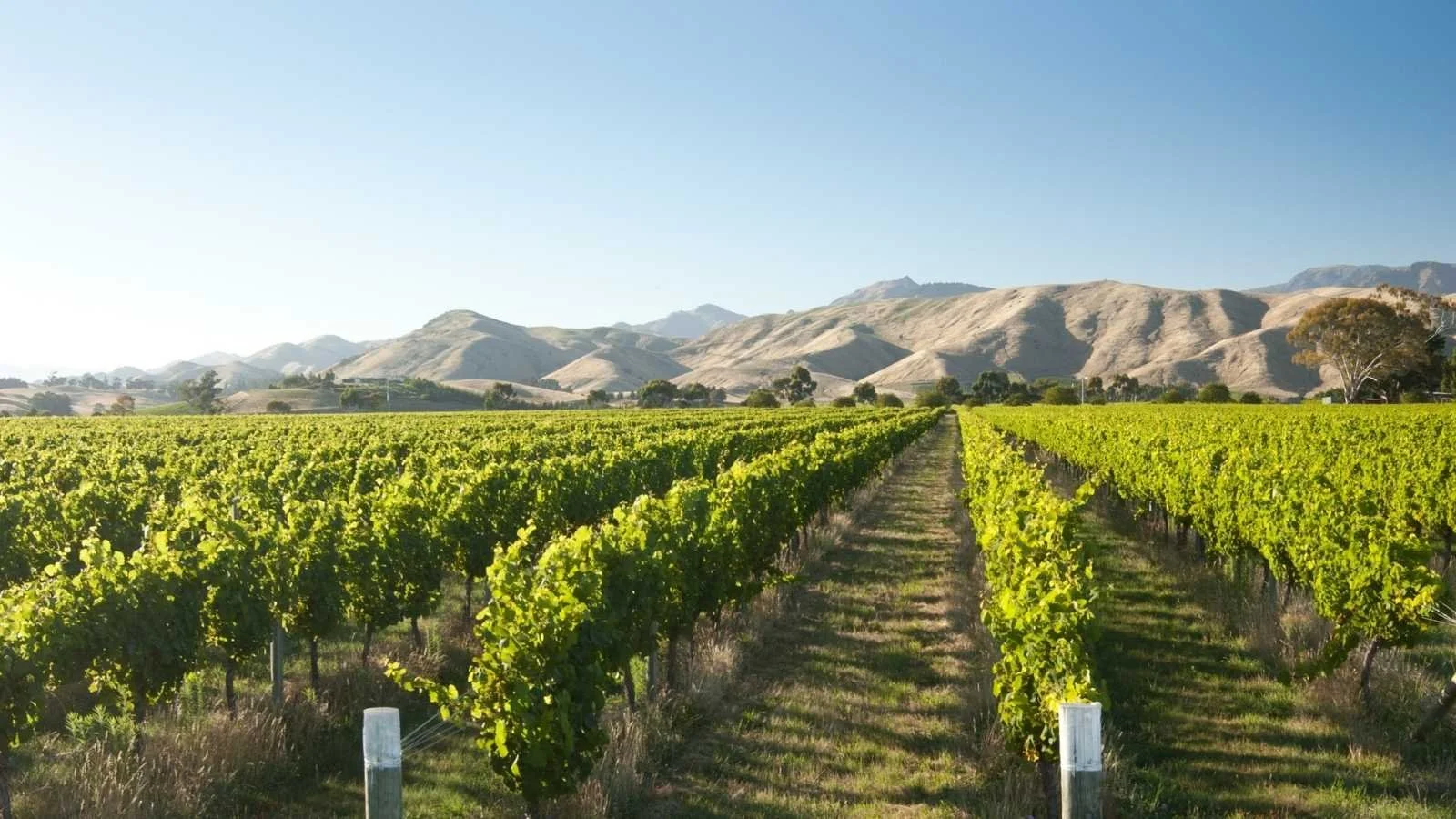
Plant Performance
Understanding how plants convert available resources into productive growth.
Part of the DCT Farm Performance Framework
This page forms part of the DCT Farm Performance Framework—our guide to understanding how connected farming systems influence long-term farm performance.
If you'd like to understand how this topic fits into the bigger picture, start with What Really Drives Farm Performance?