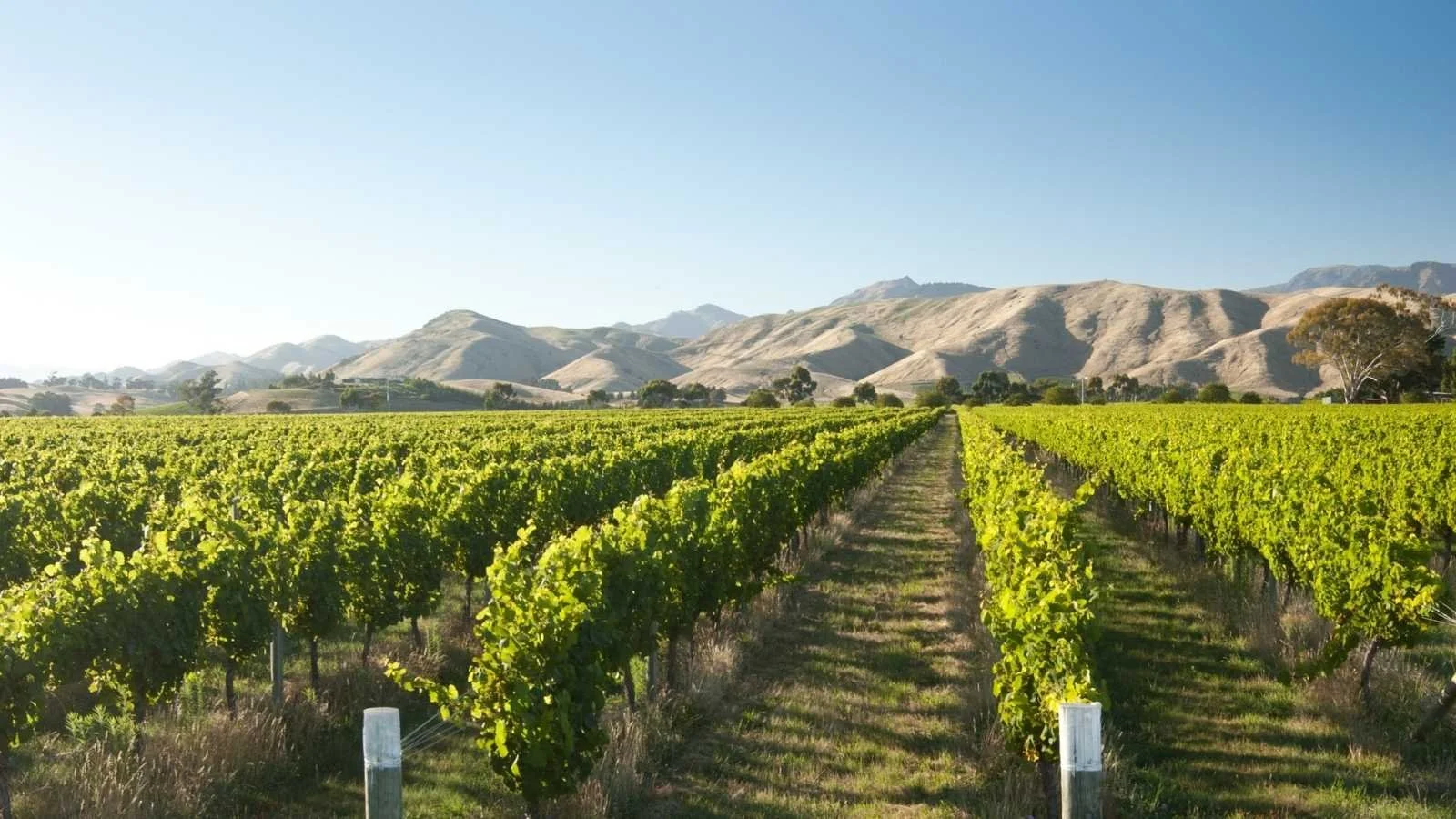
Plant Performance
Understanding How Plants Turn Available Resources Into Productive Growth
A plant stands at the meeting point of two very different worlds.
Above the ground, its leaves capture sunlight and exchange gases with the atmosphere.
Below the ground, its roots search the soil for water and nutrients.
Between them, water rises.
Sugars move.
New cells form.
Leaves unfold.
Roots extend.
Pasture recovers after grazing.
Crops build canopies and prepare for harvest.
Vines direct energy towards shoots, leaves and fruit.
What appears from the outside as growth is the result of thousands of processes working together.
Each depends on the plant receiving the resources it needs.
Each requires energy.
Each responds to the conditions around it.
That is what we mean by plant performance.
Not simply how quickly a plant grows.
But how effectively it captures available resources, converts them into productive growth and continues responding as conditions change.
Plant performance is what becomes visible above the ground.
But much of the explanation begins somewhere else.
Where Growth Begins
Imagine the beginning of a new day.
As sunlight reaches a leaf, tiny openings on its surface respond to the conditions around them.
Carbon dioxide enters.
Water arrives from the roots.
Inside the leaf, light energy begins driving the process that produces the sugars the plant needs to grow.
Some of that energy is used to build new leaves.
Some supports root development.
Some helps the plant recover after grazing, pruning or harvest.
Some is stored for later.
The plant isn’t simply growing upwards.
It is continually directing resources towards different needs.
New roots compete with new leaves.
Reproductive growth competes with recovery.
Defence competes with production.
When resources are readily available, the plant has more options.
When water, nutrients or energy become limited, choices must be made.
Growth slows in one area.
Resources are redirected to another.
What becomes visible above the ground reflects how successfully the plant has balanced those demands.
Plants Are Always Responding
It’s easy to think of plant performance as something determined at planting.
Select the right species.
Choose strong genetics.
Provide water and nutrients.
Then allow the plant to grow.
In reality, plants are continually adjusting to their environment.
A leaf turns towards the light.
Roots branch where conditions are more favourable.
Small openings on the leaves adjust as temperature, humidity and water availability change.
Following grazing, pasture draws on stored energy to replace lost leaf area.
During dry conditions, plants may reduce water loss by slowing growth.
When nutrients become limited, energy may be redirected towards exploring more soil.
These responses are rarely visible as they happen.
We notice them later.
Pasture takes longer to recover.
A crop canopy develops unevenly.
Fruit size varies.
A plant begins showing signs of stress.
By the time those differences appear, the plant may have been adapting for days or weeks.
Plant performance isn’t simply the amount of growth produced.
It’s the continuing result of how the plant responds to the opportunities and limitations around it.
Reading the Plant
Every plant tells a story.
A dense, even pasture tells one story.
Thin areas between stronger growth tell another.
A crop that establishes evenly across the row tells another.
So does a vine that maintains a balanced canopy through a difficult summer.
Colour can provide clues.
So can leaf size, branching, tillering, recovery and uniformity.
But no single observation tells us everything.
Dark green growth may indicate healthy nutrient supply.
It may also reflect excessive vegetative growth.
A large plant may be performing well.
Or it may be producing leaves at the expense of roots, fruit or quality.
Slow growth may indicate limited nutrients.
Or the plant may be responding to cold soil, restricted roots, water stress or poor aeration.
The visible plant is the result.
The cause may be found within the plant, beneath the soil or in the conditions surrounding both.
The challenge isn’t simply looking at growth.
It’s learning how to interpret what that growth is telling us.
What Supports Healthy Plant Performance?
Plants require several resources at the same time.
Light provides energy.
Leaves capture carbon dioxide from the atmosphere.
Roots supply water and nutrients.
The soil provides the environment through which many of those resources must move.
The plant brings them together.
If one resource becomes limited, the value of the others may also be restricted.
A plant may have access to nutrients but insufficient water to move them.
It may have water and nutrients but too little healthy leaf area to capture enough sunlight.
It may receive abundant sunlight while high temperatures increase water loss and slow growth.
It may be surrounded by fertile soil while a restricted root system explores only a small part of it.
Healthy plant performance doesn’t come from maximising one resource.
It comes from giving the plant a better opportunity to balance them.
Leaves Capture Energy
Each healthy leaf is a surface for collecting sunlight and exchanging gases with the atmosphere.
Inside it, the plant combines carbon dioxide and water using energy captured from light.
The sugars produced become the foundation for almost everything that follows.
New leaves.
New roots.
Stems.
Flowers.
Seeds.
Fruit.
Recovery after grazing.
The plant also sends some of this energy below ground.
Roots use it to continue growing.
Carbon-rich compounds are released into the surrounding soil, helping support the living community around the root.
When leaves are removed, shaded or damaged, the plant must adjust.
It may draw on stored reserves.
It may slow root growth.
It may prioritise replacing leaf area before returning to other forms of production.
Leaves don’t simply show us how the plant is performing.
They help power the entire system around it.
Roots Supply the Opportunity
While leaves capture energy above the ground, roots connect the plant to resources below it.
Water enters through the root system.
So do mineral nutrients.
Every new root explores another part of the soil.
Every branch creates another pathway.
Every fine root increases the area through which resources can be captured.
A plant with abundant shallow roots may perform well while moisture remains near the surface.
As conditions dry, its options become more limited.
A deeper, well-branched root system can explore a larger volume of soil.
Healthy roots don’t guarantee productive growth.
The plant still requires suitable conditions above the ground.
But roots create more opportunities to use what the environment provides.
Water Connects the Plant
Water connects almost every part of the plant.
It carries nutrients from the soil towards the roots.
It moves upwards through the plant.
It helps keep leaves and stems upright.
It participates directly in the process through which plants capture energy.
As water evaporates from leaf surfaces, more is drawn upwards from the roots.
This creates a continuous connection between the soil and the atmosphere.
When water becomes limited, that connection changes.
The plant reduces water loss.
Growth slows.
Nutrient movement may decline.
The plant hasn’t stopped trying to grow.
It is protecting itself.
How well it continues performing depends partly on how much water the soil holds, how effectively roots can reach it and how quickly the atmosphere is drawing it away.
Nutrients Help Build the Plant
Nutrients are involved in almost every part of plant growth.
Some become part of proteins and chlorophyll.
Others contribute to energy transfer, cell development and the formation of roots, flowers, seeds and fruit.
But nutrients don’t act alone.
The presence of more nutrient doesn’t automatically create more growth.
The plant must be able to reach it.
Water must help carry it towards the root.
The plant must have enough energy to use it.
Other essential nutrients must also be present in suitable proportions.
The question isn’t simply whether nutrients are present.
It’s whether the plant has the opportunity to capture and convert them into useful growth.
Recovery Is Part of Performance
Productive plants are repeatedly asked to recover.
Pasture is grazed.
Crops are exposed to wind, heat and changing moisture.
Vines and fruit trees are pruned.
Leaves are damaged by weather, pests or disease.
Each event changes the balance within the plant.
After grazing, a pasture plant has less leaf area available to capture sunlight.
It must use its remaining leaves and stored energy to begin rebuilding.
New leaf area develops.
Energy capture increases.
Roots become more active again.
The speed and consistency of that recovery depend on what remains available to the plant.
Healthy roots.
Stored energy.
Water.
Nutrients.
Suitable growing conditions.
Fast growth immediately after grazing isn’t the only measure that matters.
The plant must also rebuild without exhausting the reserves needed for its next recovery.
Plant performance isn’t only the ability to produce.
It’s the ability to continue producing after conditions change.
When the Connections Begin to Break Down
Plant limitations rarely remain isolated.
Imagine pasture entering a dry period with a shallow root system.
As moisture disappears from the upper soil, the plant has fewer opportunities to replace the water being lost through its leaves.
The plant begins conserving moisture.
Leaf activity slows.
Less carbon is captured.
Growth declines.
With less energy available, root development may also slow.
Nutrient capture becomes more difficult.
Recovery after grazing takes longer.
What appears above the ground as slow pasture growth may have begun with restricted roots.
Or limited soil moisture.
Or soil structure that prevented roots from reaching deeper water.
Or grazing pressure that left too little leaf area for rapid recovery.
This is why plant performance cannot always be improved by treating the visible symptom.
The plant is often showing us the combined effect of the environment around it.
A Different Way to Think About Plant Performance
After years of observing plants across different farms and growing systems, one lesson continues to stand out.
Productive growth is rarely the result of one process working exceptionally well.
It is usually the result of many processes remaining sufficiently well connected.
Leaves capture energy.
Roots access water and nutrients.
The soil supports their movement.
The plant directs those resources towards growth, recovery and reproduction.
That’s why improving plant performance rarely begins by asking,
“How do we make the plant grow faster?”
It begins by asking,
“What is helping—or preventing—the plant from using the resources around it?”
That small change in thinking takes us beyond the visible symptom.
It encourages us to consider the whole environment in which the plant is trying to perform.
Understanding plant performance doesn’t replace yield measurement, feed analysis, crop monitoring, plant testing or sound agronomic advice.
It helps explain the processes behind those results.
What We’ve Learnt From the Field
Over more than twenty years of working alongside New Zealand farmers and growers, we’ve observed plants across pastures, crops, orchards and vineyards.
Every situation has been different.
Different plants.
Different soils.
Different climates.
Different management systems.
Yet stronger plant performance often leaves familiar clues.
Establishment becomes more even.
Pasture recovers more consistently after grazing.
Plants maintain productive growth for longer as conditions begin to dry.
Canopies remain better balanced.
Growth becomes less variable across the paddock, row or block.
These changes don’t always appear together.
And the largest plant isn’t always the best-performing plant.
Sometimes the most important difference is consistency.
The ability to continue growing when conditions become less favourable.
The ability to recover.
The ability to turn available water, nutrients and sunlight into the kind of growth the farming system needs.
Good farming has always involved watching how plants respond.
Understanding plant performance helps explain what those responses may be telling us.
Why We Develop Products
Everything you’ve read on this page influences the way we think about farming.
And it influences the way we develop products.
Over many years, we’ve learnt that farming systems are connected.
Soil function creates the environment around the roots.
Roots determine how much water and nutrient the plant can reach.
Nutrient efficiency influences how effectively those resources are captured and used.
Plant performance reflects how those processes come together.
Because of those connections, we don’t begin product development with ingredients.
We begin with understanding.
We ask a simple question:
Which natural farming process are we trying to better support?
The answer gives every product a purpose.
Some products primarily support plant performance.
Others focus on soil function, root development, nutrient efficiency or fertiliser programme performance.
Many contribute across several parts of the farming system because that’s how healthy plants actually grow.
For us, products aren’t the starting point.
They’re the outcome of trying to better understand how farming systems perform.
Plant performance is one of four connected foundations within the DCT Farm Performance Framework.↓
Continue Exploring the other foundations:
-
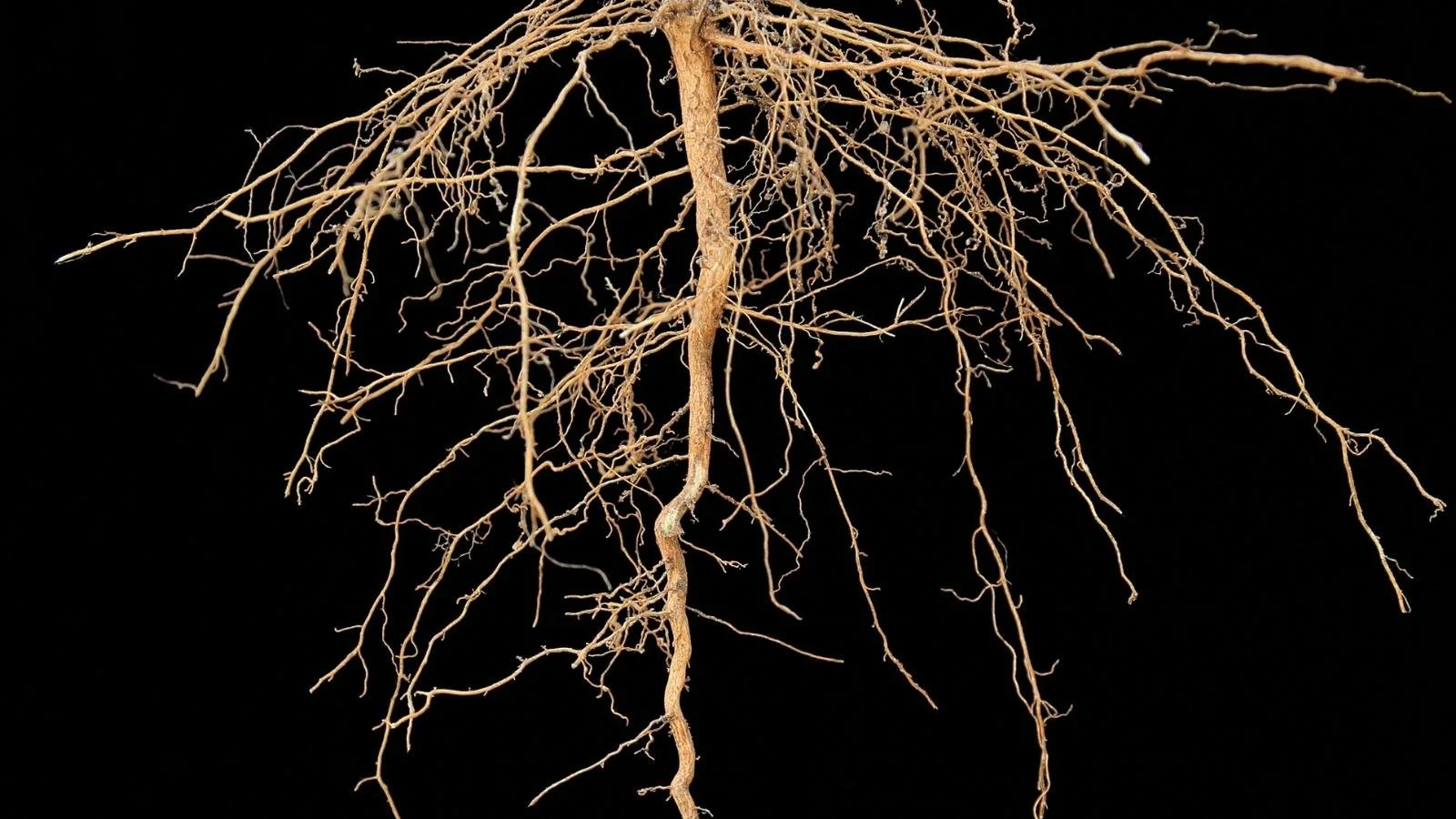
Root Development
Understanding how plants explore the soil for water and nutrients.
-
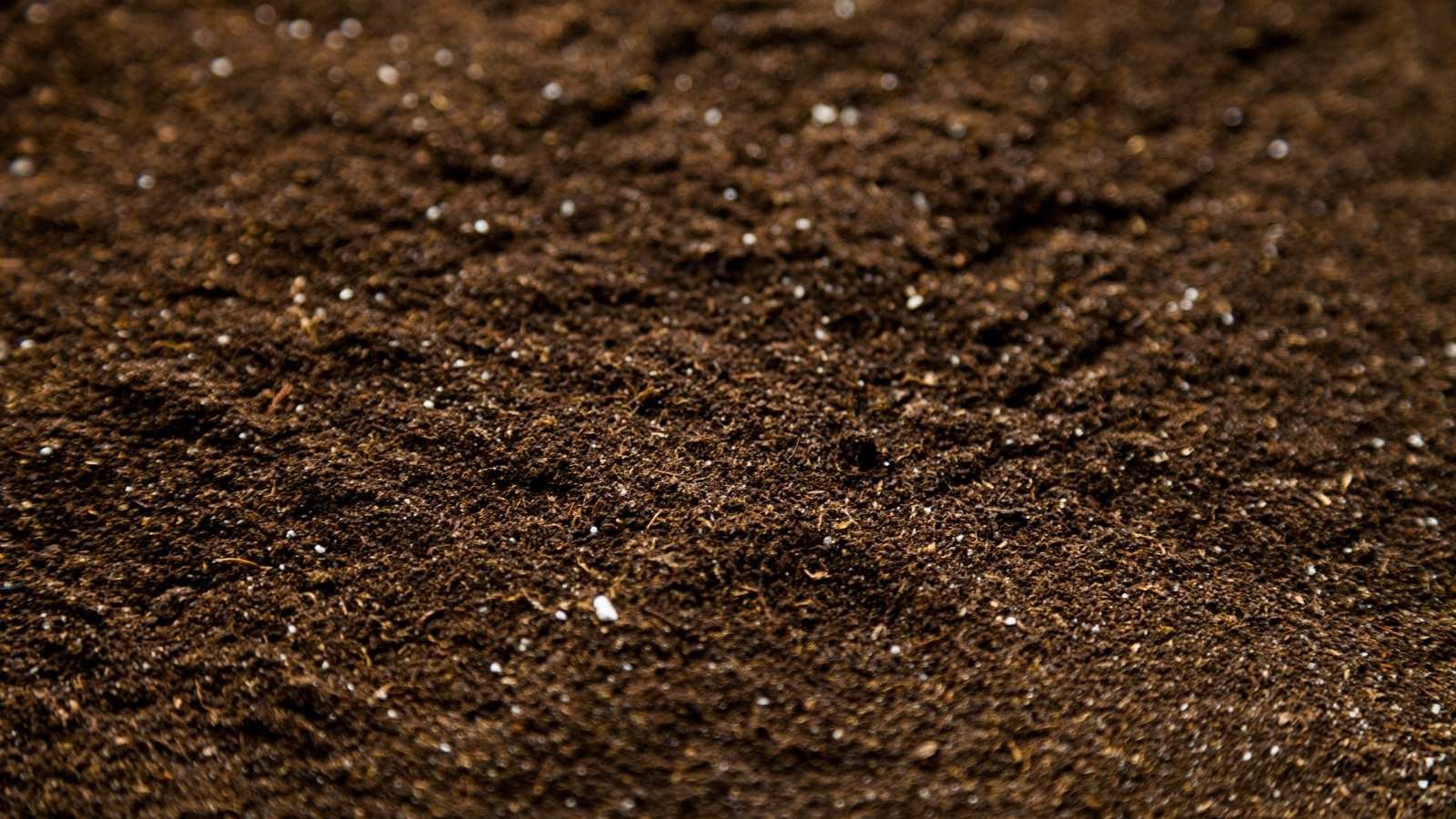
Soil Function
Understanding the environment where roots, water, nutrients and living processes interact.
-
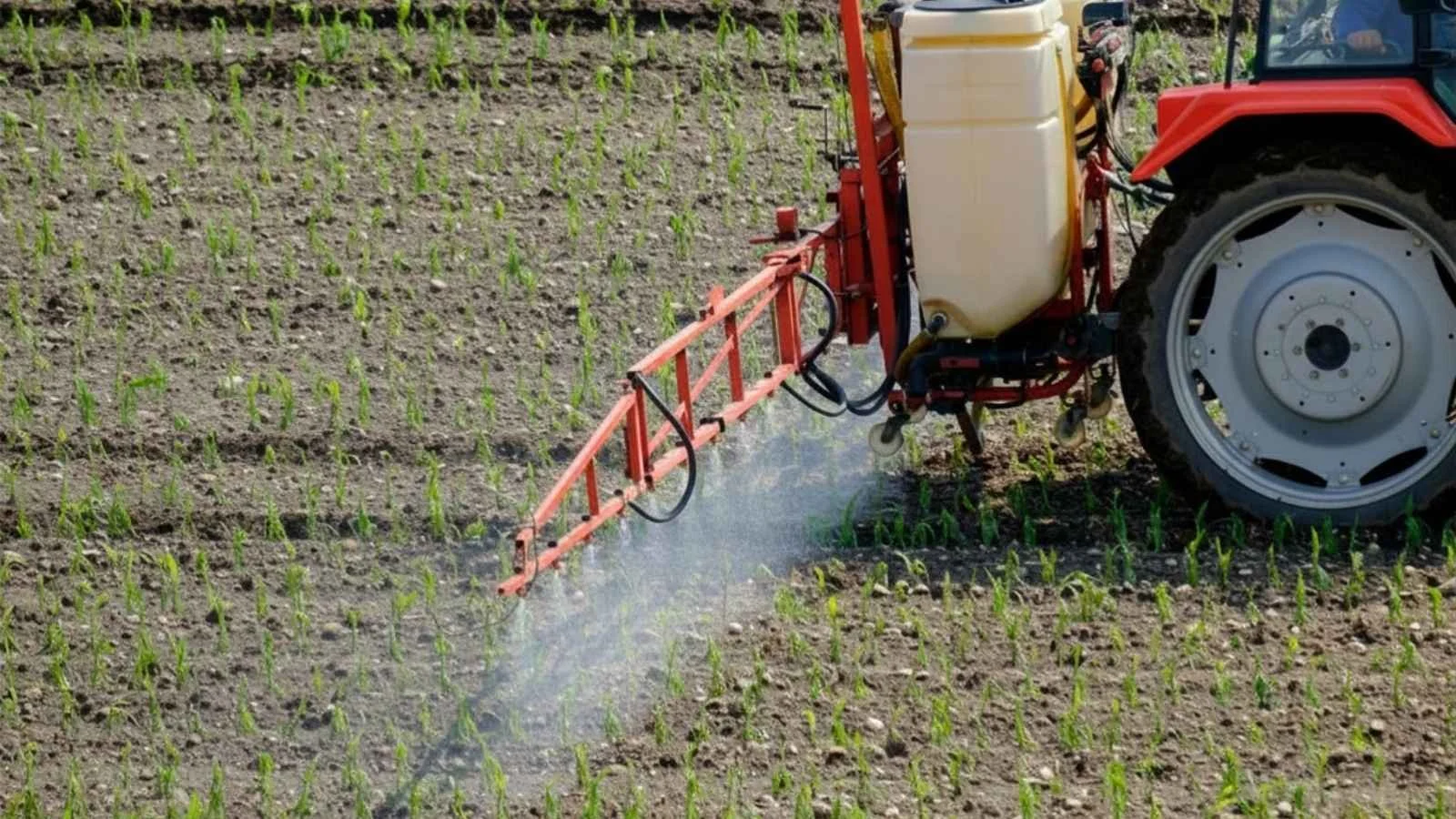
Nutrient Efficiency
Understanding how farming systems capture and use available nutrients.
Part of the DCT Farm Performance Framework
This page forms part of the DCT Farm Performance Framework—our guide to understanding how connected farming systems influence long-term farm performance.
If you'd like to understand how this topic fits into the bigger picture, start with What Really Drives Farm Performance?