Hops Growth & Crop Performance
Historical Field Comparison — Tapawera, Nelson, New Zealand
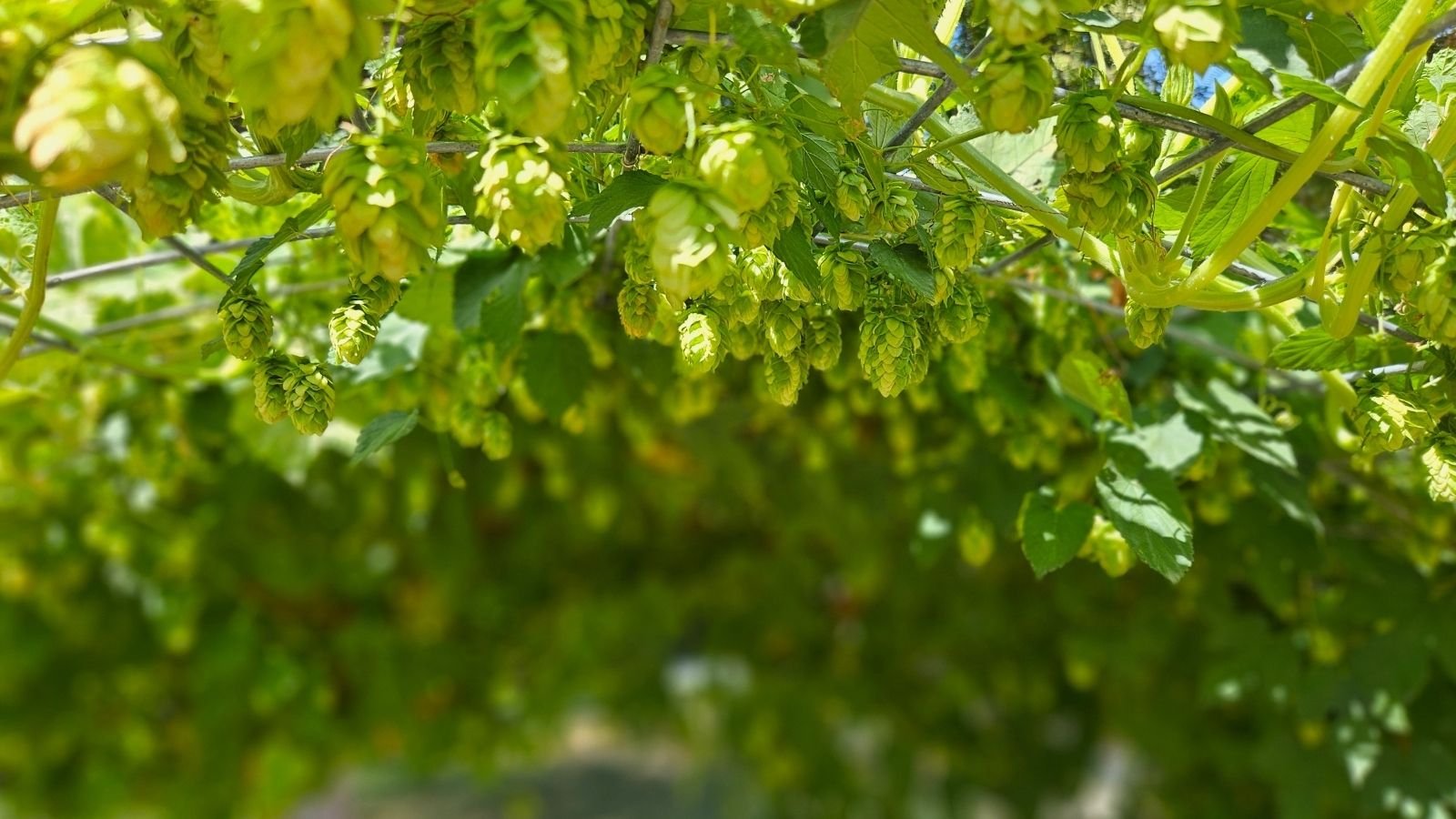
A historical field comparison at a Tapawera hop garden recorded strong lateral growth, flower-bud development and dense canopy growth in the DCT-treated crop, with higher yield and crop quality reported compared with a parallel crop using a competitor product.
For a hop grower, vigorous growth only matters if it contributes to a productive crop.
The aim isn't simply to grow more vine or produce a greener plant.
It is to build the canopy, laterals and flower development needed to support yield and crop quality at harvest.
In this Tapawera comparison, several of those indicators moved together.
Strong Lateral Growth
Good Flower-Bud Development
Dense, Healthy Canopy
Higher Yield & Better Quality Reported
And importantly, these results were recorded against a parallel crop using a competitor product.
The Field Comparison
The comparison took place in:
Tapawera, Nelson
DCT products were being used in one hop crop, while a parallel crop was being grown using a competitor product.
The surviving historical record describes clear differences in crop performance between them.
We no longer hold the detailed treatment or harvest records, so we don't present this as a controlled replicated trial.
But the comparison gives us a useful record of what was observed under commercial growing conditions.
What Was Observed?
Strong Lateral Growth
One of the most noticeable differences in the DCT-treated hops was strong lateral vine development.
This made tying and managing the developing crop easier and more effective.
In hops, lateral development matters because it contributes to the productive structure of the canopy on which flowers develop.
It wasn't simply a case of producing a plant that looked vigorous.
The type of growth being produced mattered.
Good Flower-Bud Development
The DCT-treated crop also showed:
Strong Flower-Bud Development
This is particularly important when assessing vegetative growth.
A large green canopy isn't necessarily the objective on its own.
The commercially important question is whether that growth is supporting the reproductive parts of the plant that ultimately produce the harvested crop.
In the Tapawera hops, good lateral growth was accompanied by good flower-bud development.
A Dense, Healthy-Looking Canopy
The historical record describes the DCT-treated crop as having:
Dense Leaf Coverage
and:
A Lush Green Appearance
These are visual observations rather than measurements of plant nutrient status.
We don't therefore use colour alone as evidence that nutrient availability had improved.
What it does provide is another part of the overall crop picture.
The DCT-treated plants were reported to have strong lateral development, dense foliage and good flower development at the same time.
The Difference Continued Through to Harvest
The most commercially important observation wasn't simply what the plants looked like.
The historical comparison records:
Higher Yield
and:
Improved Crop Quality
in the DCT-treated crop compared with the parallel crop using a competitor product.
We no longer have the original harvest figures or quality assessments, so we can't responsibly attach a percentage to either result.
But their inclusion in the original field record is important.
Because ultimately:
Hops aren't grown to produce a greener canopy.
They're grown to produce a valuable crop.
Why the Comparison Is Interesting
A comparison running alongside another crop can tell us something different from comparing one season with the next.
Both crops experience broadly the same season.
That can reduce some of the uncertainty created when results from completely different years are compared.
However, we don't have enough of the original trial information to establish that every other variable — variety, soil, irrigation, fertiliser and management — was identical.
So we don't describe this as proof that DCT alone caused the difference.
Instead, we describe what the historical field comparison recorded:
DCT-Treated Crop
Strong lateral development
Good flower-bud development
Dense, healthy-looking canopy
Higher yield reported
Better crop quality reported
Parallel Competitor Crop
The historical record reports that yield and crop quality were lower by comparison.
That's the evidence we have.
And it's worth paying attention to.
Looking Beyond Plant Vigour
This case raises an important distinction.
There is a difference between:
Growing a bigger plant
and:
Growing a better-performing crop.
For DCT, plant performance is part of a larger system.
Soil Function. Root Development. Nutrient Efficiency. Plant Performance.
In this historical comparison, we didn't measure all four.
But they provide a useful framework for understanding what we would investigate if we repeated the comparison today.
Plant Performance — Observed
This is where the strongest surviving evidence sits.
The DCT-treated hops were reported to show:
strong lateral growth
good flower-bud development
dense leaf coverage
healthy green appearance
with higher yield and better crop quality subsequently reported.
Those observations suggest the crop wasn't simply expressing vegetative vigour — productive development was occurring alongside it.
Root Development & Nutrient Efficiency — Questions Worth Investigating
The original page attributed the crop response to deeper roots, improved nutrient availability and more effective nutrient cycling.
Those are plausible areas to investigate.
But they weren't measured in this comparison.
So rather than retrospectively presenting them as established explanations, we'd ask:
Was the root system different?
Was the crop accessing nutrients differently?
Was nutrient-use efficiency changing?
Were there measurable differences in plant tissue nutrition?
Those are questions a modern comparison could answer.
Soil Function — Not Measured
Likewise, we don't have retained soil measurements showing changes in structure, aggregation or biological activity from this particular comparison.
We therefore don't use those mechanisms to explain the result as though they were measured.
The crop response is the evidence here.
The explanation remains something to investigate.
About the Evidence
This is a historical DCT field comparison from a commercial hop-growing environment in Tapawera, Nelson.
The original detailed treatment, yield and quality records are no longer available.
The results on this page are therefore presented as historical field observations, rather than as a controlled or independently verified trial.
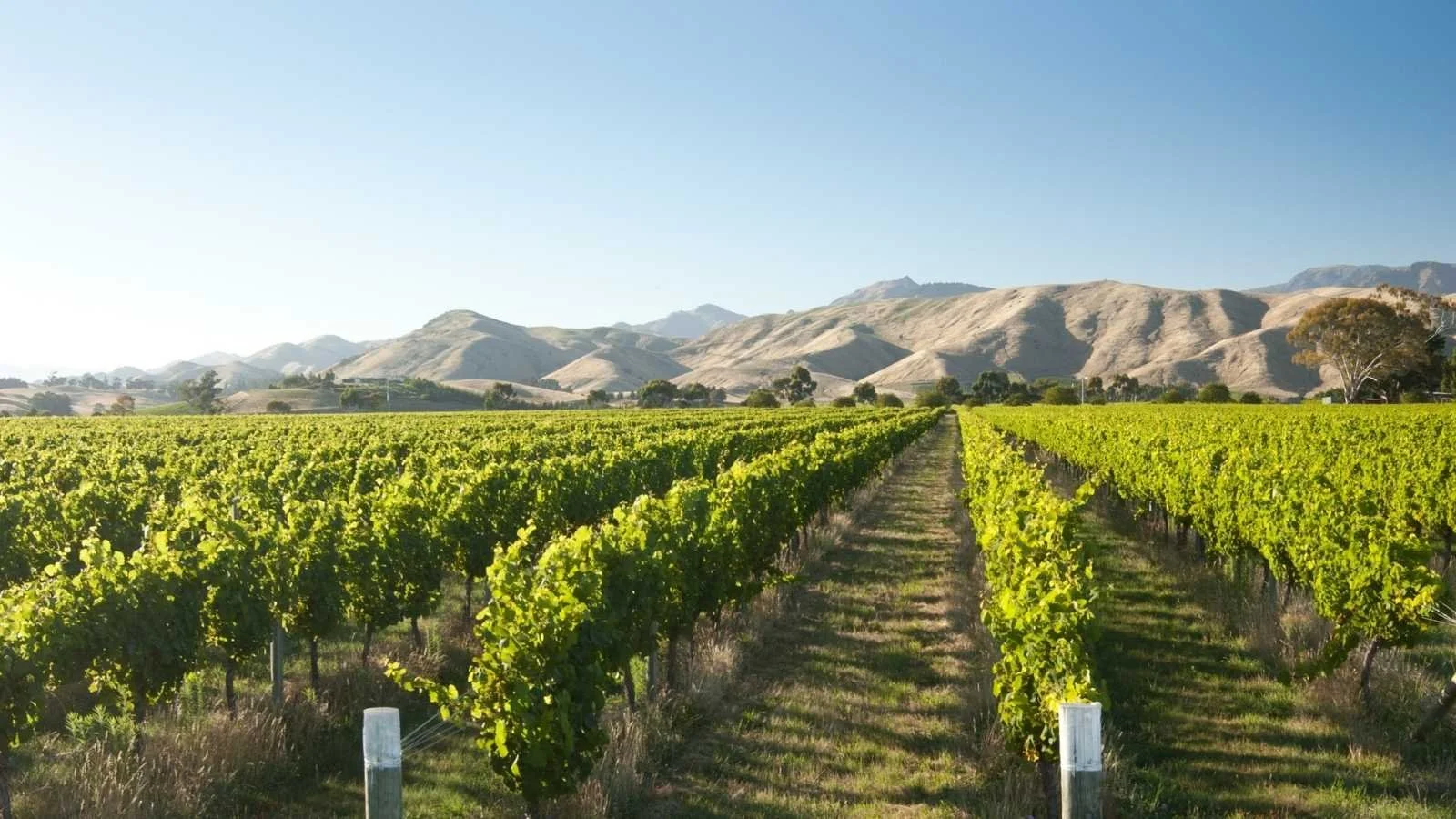
The surviving crop photograph provides supporting visual evidence of the crop at the time.
We don't know everything we would want to know if we were running the comparison today.
But we also don't think that means the result should be ignored.
What Would We Measure Today?
If we repeated this comparison today, we would go considerably further.
Alongside crop photographs and field observations, we would want to record:
yield per hectare
harvestable cone weight
crop quality measurements
lateral development
root development
soil conditions
fertiliser programme
and where appropriate:
plant tissue analysis
That would allow us to investigate not only whether the crop performed differently, but why.
Better Farming Starts With Better Understanding
The most interesting part of the Tapawera comparison isn't simply that the DCT-treated hops looked greener.
It's that several commercially important indicators were reported together.
Strong lateral growth.
Good flower development.
Dense canopy growth.
And ultimately:
Higher yield and better crop quality were reported against the parallel competitor crop.
The historical evidence doesn't allow us to quantify that advantage today.
But it gives us a result worth understanding.
Because the objective isn't simply to grow more plant.
It's to turn the resources already going into the crop into more productive and more valuable output.
Could Your Hop Crop Be Getting More From Its Existing Growing System?
DCT works with growers to understand how soil function, roots, nutrient efficiency and plant performance interact to influence the final crop.


Continue Exploring the other foundations:
-
Root Development
Understanding how plants explore the soil for water and nutrients.
-
Soil Function
Understanding the environment where roots, water, nutrients and living processes interact.
-
Nutrient Efficiency
Understanding how farming systems capture and use available nutrients.
-
Plant Performance
Understanding how plants convert available resources into productive growth.