Why Is My Clover Disappearing?
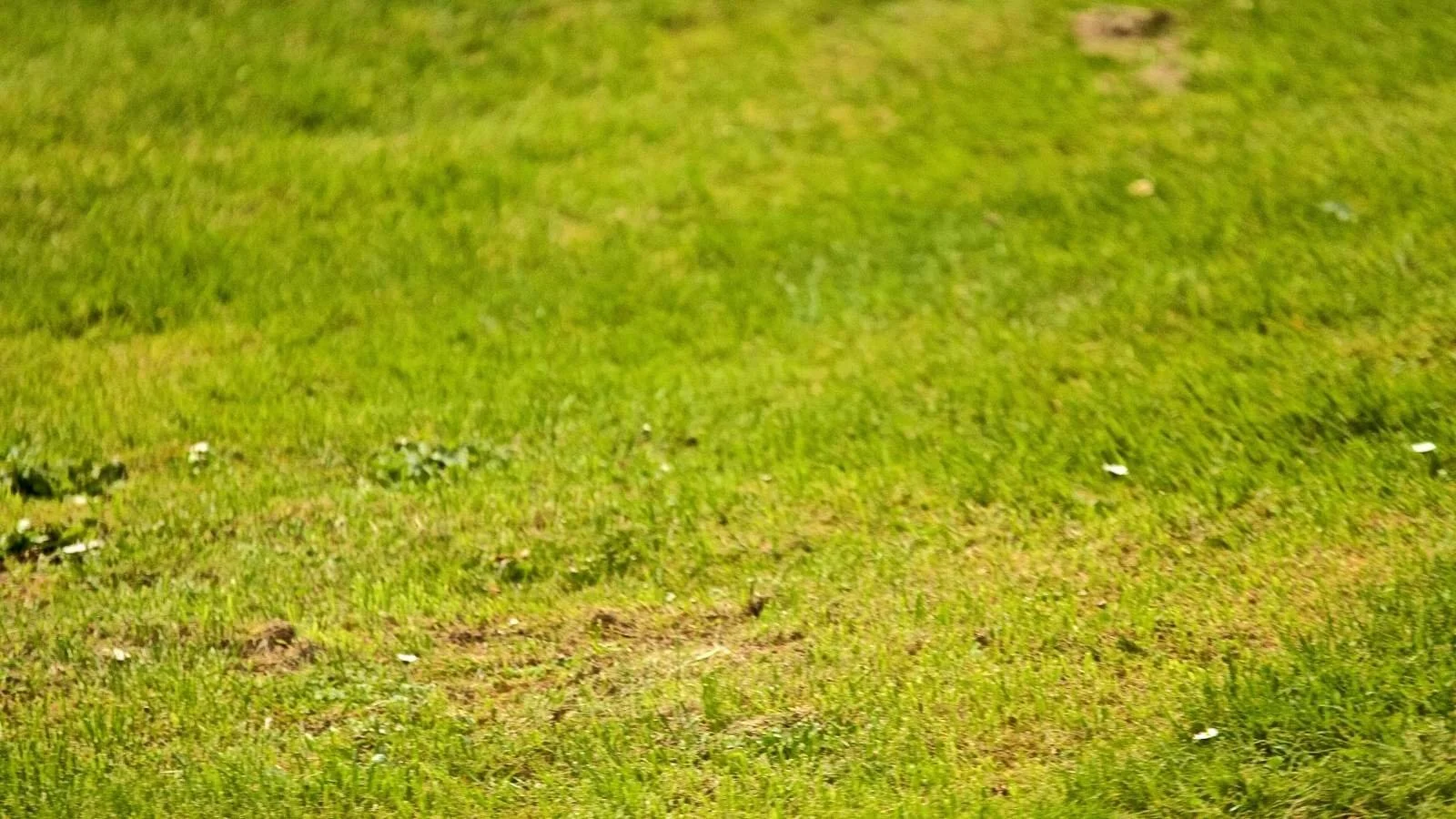
Clover can disappear even when the pasture still looks productive. Understanding why starts with looking at the conditions that allow clover to compete, spread and persist.
You know the paddock used to have more clover.
Perhaps it was obvious through spring.
Perhaps it filled the gaps between grasses.
Perhaps it seemed to return reliably after grazing.
Now you have to look harder to find it.
The pasture may still be growing well. Fertiliser may still be going on. There may be no obvious sign that anything is badly wrong.
But the clover is slowly losing its place.
So what changed?
The answer isn't always that the clover simply “died”.
More often, something has shifted in the conditions that allow clover to compete, recover and continually renew itself within the pasture.
And that gives us a better place to start looking.
Clover Has to Keep Winning Its Place in the Pasture
Clover doesn't persist simply because it was once established.
It spreads through stems called stolons that run along the soil surface. Nodes along those stolons can produce new roots and growing points, allowing the plant to spread and continually renew itself.
You don't need to know the botany in detail.
The important point is this:
Clover has to keep establishing new growth while competing with the pasture around it.
When conditions favour that process, clover can persist and spread.
When they don't, clover can gradually lose ground.
So instead of asking only:
“What killed my clover?”
a more useful question can be:
“What changed that made it harder for the clover to hold its place?”
That opens up a much more useful investigation.
Start With the Obvious Explanations
Before looking for anything complicated, rule out the things that can directly explain the decline.
Is the grass simply outcompeting it?
Clover needs light.
If the surrounding grass repeatedly creates a dense canopy above it, clover can be shaded and gradually lose its competitive position.
That doesn't necessarily mean the pasture is performing badly.
In fact, vigorous grass growth can sometimes be part of the problem.
The question is whether the balance of the pasture has shifted enough that clover is struggling to compete.
Has the nutrient environment changed?
Clover has its own nutritional requirements.
Soil fertility, nutrient balance and pH can all influence how well it establishes and persists.
If there is reason to suspect a fertility issue, soil testing — and plant testing where appropriate — is a much better starting point than guessing.
Has moisture become part of the problem?
Dry conditions can put clover under pressure, particularly where the environment around the root zone restricts access to available moisture.
Equally, persistently wet or poorly aerated soil can create a different set of problems for roots and plant performance.
Could pests be involved?
If clover decline is sudden, severe or noticeably patchy, pest pressure should be investigated.
If a pest is responsible, that problem needs to be dealt with directly.
These are important checks.
But they don't always explain what you're seeing.
What If There Isn't One Obvious Cause?
This is where the investigation becomes more interesting.
Perhaps there isn't severe pest pressure.
Testing doesn't reveal an obvious deficiency.
The pasture isn't simply being allowed to become rank and bury the clover.
Yet clover is still stronger in some paddocks than others.
Or perhaps it is stronger in one part of the same paddock.
Why?
Now we can stop thinking about clover as an isolated plant and start looking at the environment in which it is trying to compete.
Clover needs access to light.
But it also needs roots that can establish and function.
It needs access to nutrients.
It needs moisture.
It needs suitable conditions around the root zone.
And after grazing, stress or seasonal pressure, it needs to keep recovering and renewing itself.
That means clover persistence can tell you something about more than clover.
Look at Where the Clover Is Still Doing Well
This is one of the simplest investigations you can make.
Find somewhere the clover is still strong.
Then find somewhere nearby where it has declined.
Don't begin by asking what product one area needs.
Ask what is different.
Is the soil more open or compacted?
Does water sit differently?
Can you see a difference in rooting?
Does one area dry out faster?
Is grass competition different?
Is grazing pressure different?
Do soil tests reveal anything?
Does the stronger clover recover differently after grazing?
You may not find one dramatic answer.
Often the useful information is in a collection of smaller differences.
And that's important because the conditions that help clover persist are connected.
Clover Doesn't Experience Soil, Roots, Water and Nutrients Separately
A plant experiences them as one growing environment.
A restricted root system can reduce the volume of soil the plant can explore.
That can affect access to both moisture and nutrients.
Poor soil physical conditions can influence rooting, aeration and water movement.
Nutrients can be present in the soil without necessarily being equally accessible to the plant at every point in the season.
Meanwhile, the clover is still competing with the surrounding grass for light, space, moisture and nutrients.
This is why simply asking whether there is “enough fertiliser” doesn't necessarily explain disappearing clover.
The question is also whether the conditions around the plant are allowing it to use what is available and continue competing successfully.
And this is where the DCT connection begins to make sense.
Where DCT May Be Able to Help
DCT isn't a treatment for disappearing clover.
If the problem is pest pressure, an identifiable nutrient deficiency, inappropriate pH or grazing management, those issues need to be addressed appropriately.
But where clover decline appears to be part of a broader issue involving soil condition, root development, nutrient utilisation or plant performance, DCT's approach becomes relevant.
For more than twenty years, DCT has worked around these underlying processes in farming and growing systems.
The objective isn't to force clover into a pasture.
It's to improve the conditions around the soil–root–nutrient–plant system so plants have a better opportunity to access resources and perform effectively.
For clover, that matters because it has to keep doing more than surviving.
It has to establish, compete, recover and renew itself within the pasture.
And we have seen measurable changes in clover content in DCT-treated pasture.
What We've Seen in the Field
In one historical DCT field example, clover was measured across the same 10 paddocks one year apart.
At the first measurement:
Average clover: 10%
Range: 5–15%
One year later:
Average clover: 17%
Range: 8–25%
So average clover content increased from:
10% → 17%
across the same 10 paddocks over the year.
That is an individual field result.
It is not a prediction that another farm will achieve the same increase, and the before-and-after observation alone does not establish exactly which mechanism caused the change or how much of it should be attributed to any single intervention.
Clover content is influenced by soil conditions, climate, pasture management, existing clover content and other factors.
But the result is useful for another reason.
It shows that a measurable improvement in clover content has been observed within a DCT-treated pasture system.
That gives us a practical reason to investigate the relationship between clover persistence and the wider conditions in which the pasture is functioning.
So Why Is Your Clover Disappearing?
There may not be one answer.
It could be grass competition.
It could be fertility or pH.
It could be moisture.
It could be pests.
It could be grazing or seasonal pressure.
But where those obvious explanations don't tell the whole story, look deeper at the environment in which the clover is trying to persist.
Can it establish roots effectively?
Can it access moisture and nutrients?
Is the soil environment supporting or restricting those processes?
Can it recover and renew itself after grazing or stress?
And why is it doing better in one part of the farm than another?
Those questions move the investigation beyond simply asking what killed the clover.
They help reveal what may be preventing it from holding its place.
Now You Understand Why Our Products Exist
DCT products aren't designed simply to “grow more clover”.
They are designed to support some of the underlying processes that influence how effectively farming and growing systems function — including soil function, root development, nutrient utilisation and plant performance.
Where limitations in those areas are contributing to poor clover persistence, improving the wider growing environment may give clover a better opportunity to establish, compete and continue renewing itself.
That's very different from promising that a product will fix disappearing clover.
The first step is understanding why the clover is disappearing in your pasture.
Then you can decide what actually needs attention.
One Thing to Check in Your Own Paddock
One where clover is still strong.
One where it is disappearing.
Then compare them.
Look at the pasture canopy.
Look at the soil surface.
Dig into the root zone.
Look at rooting.
Think about moisture.
Check fertility where appropriate.
Consider grazing and pest pressure.
And then ask:
“What is different here that is allowing the clover to keep its place?”
That comparison may tell you far more than looking at the struggling clover alone.
Because disappearing clover isn't always simply a clover problem.
Sometimes it is telling you something about the system the clover is trying to grow in.
Want to Understand the System More Deeply?
-
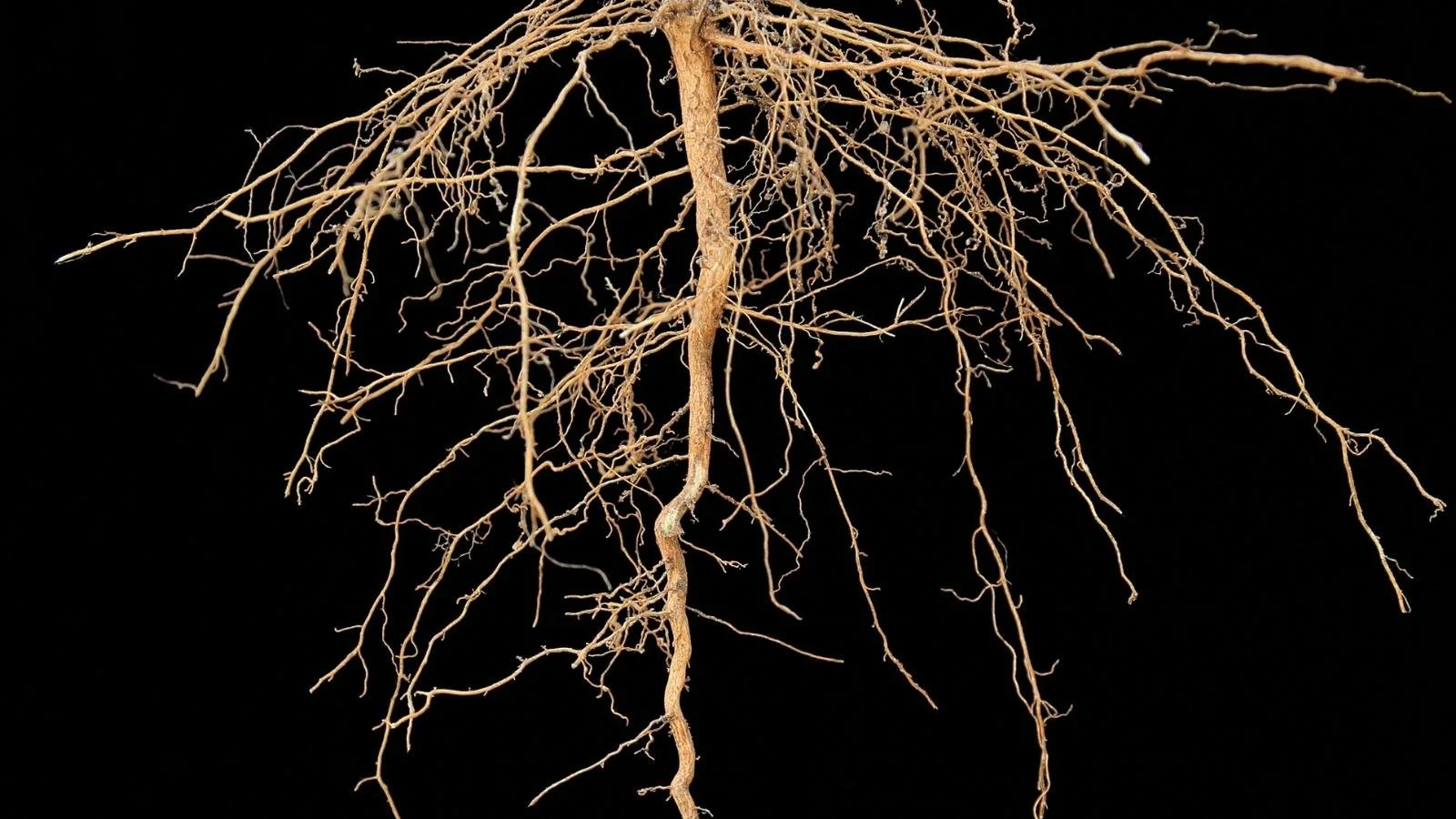
Root Development
Understanding how plants explore the soil for water and nutrients.
-
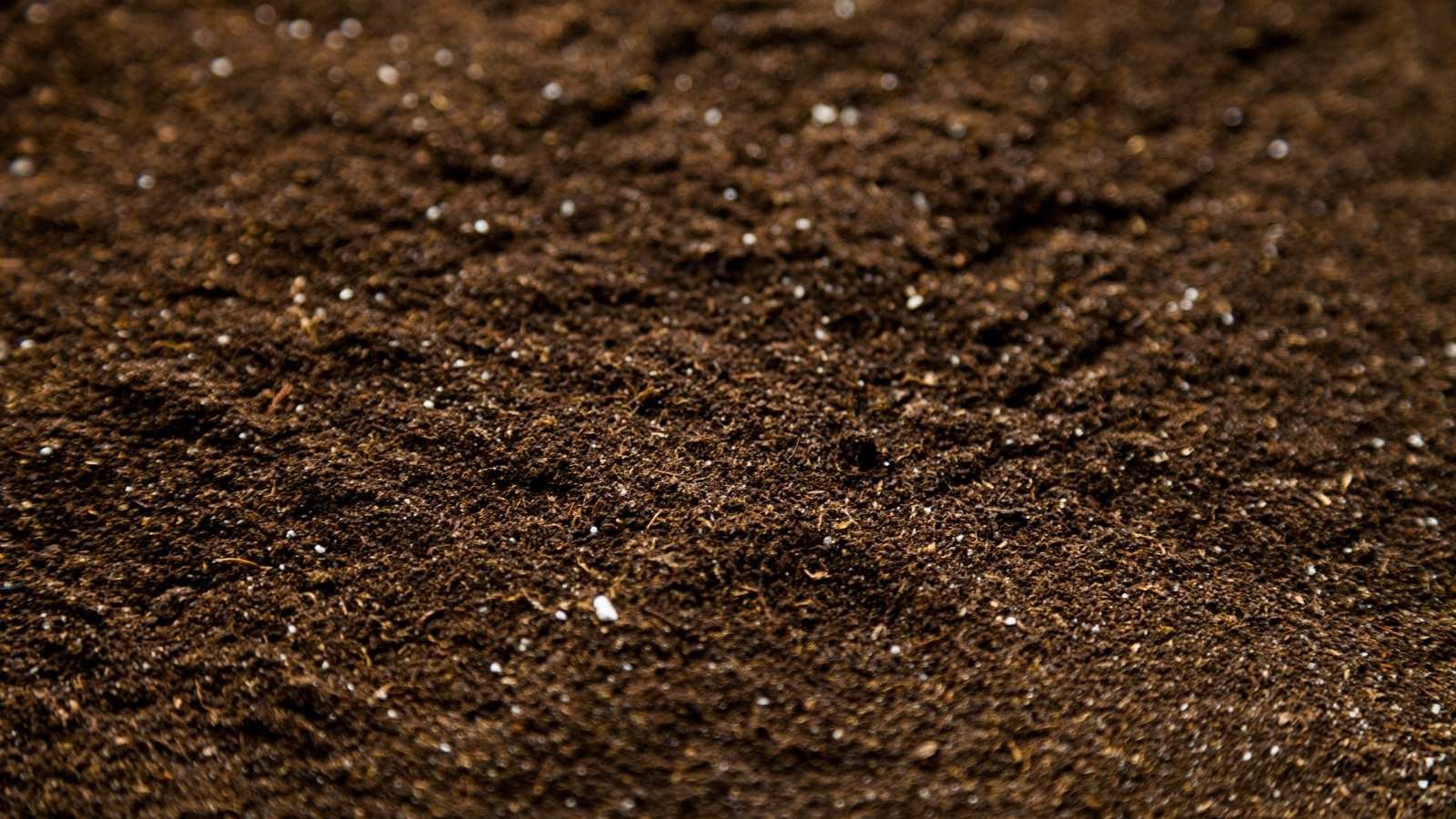
Soil Function
Understanding the environment where roots, water, nutrients and living processes interact.
-
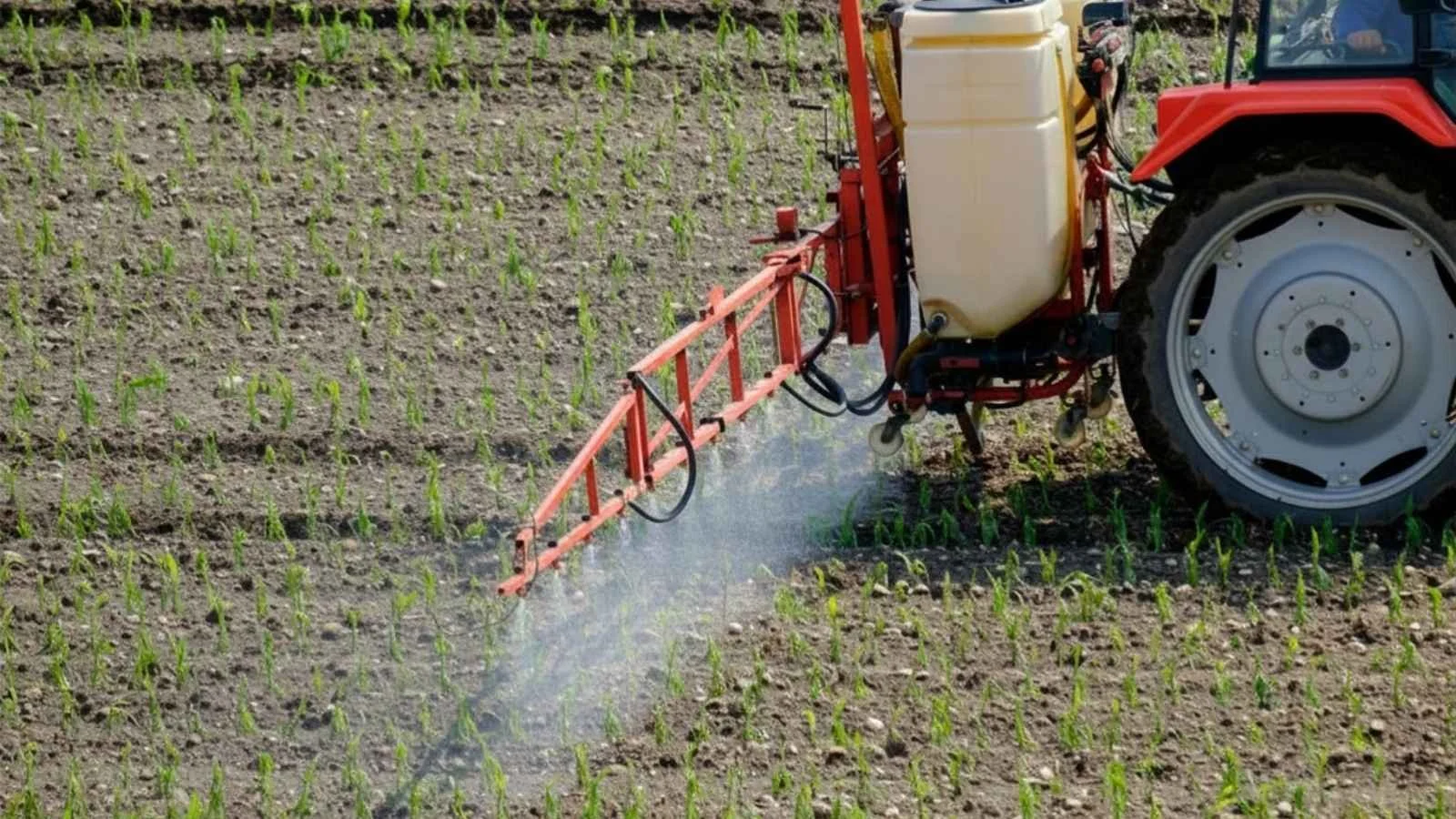
Nutrient Efficiency
Understanding how farming systems capture and use available nutrients.
-
Plant Performance
Understanding how plants convert available resources into productive growth.
Not Sure Where to Start?
Tell us what you're applying now, what response you're getting and what you've noticed on the farm. We'll help you work out the most appropriate place to start.