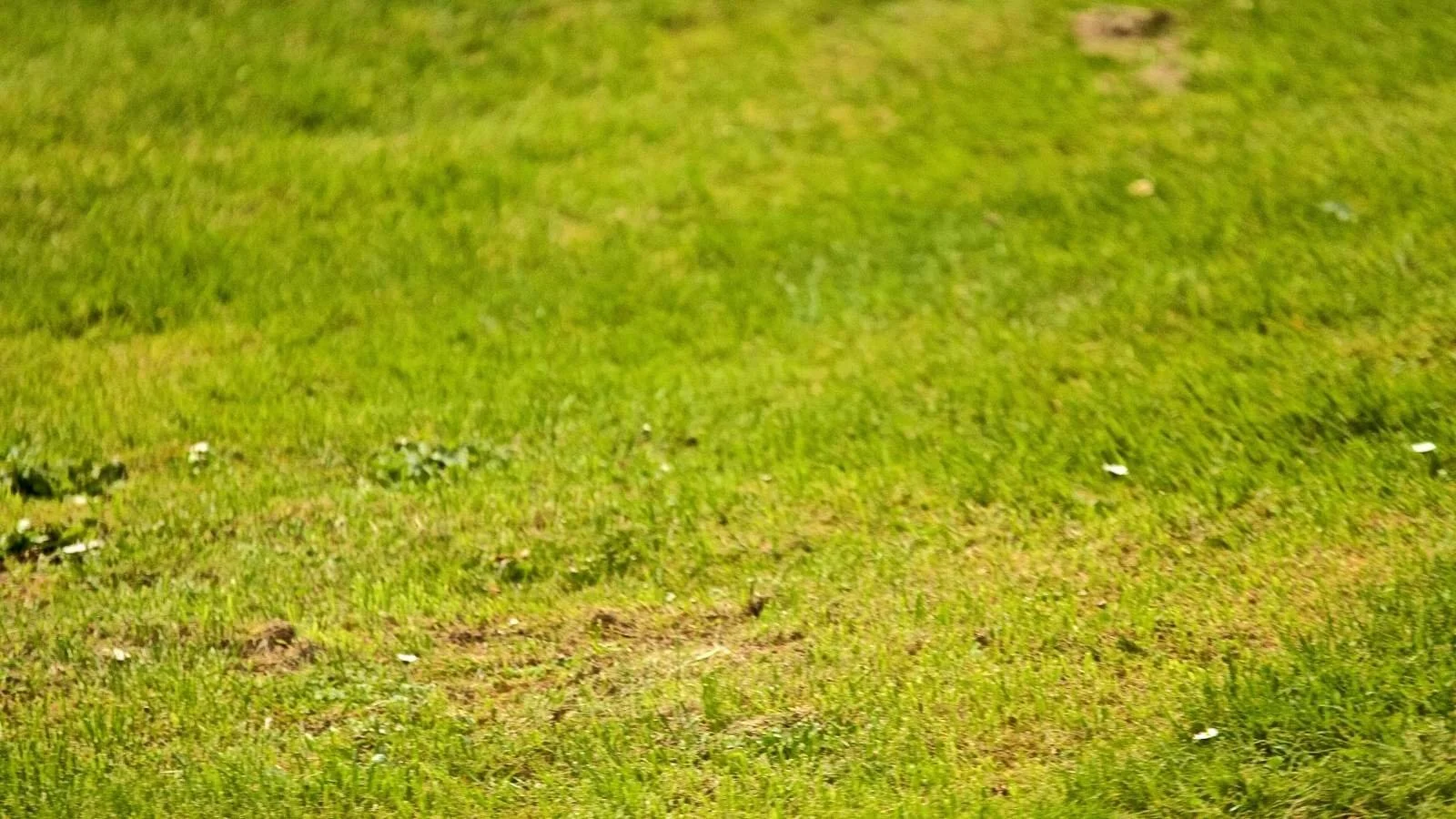
Why Is My Soil Becoming Compacted?
Why soil can become harder, tighter and less productive over time and why the real question isn't only what is pressing down on it, but how well the soil can recover afterwards.
Sometimes you notice it on the surface.
Water sits around longer after rain.
Pugging becomes worse.
Wheel marks seem to stay visible.
The ground feels harder underfoot.
Other times, the first clues come from the plants.
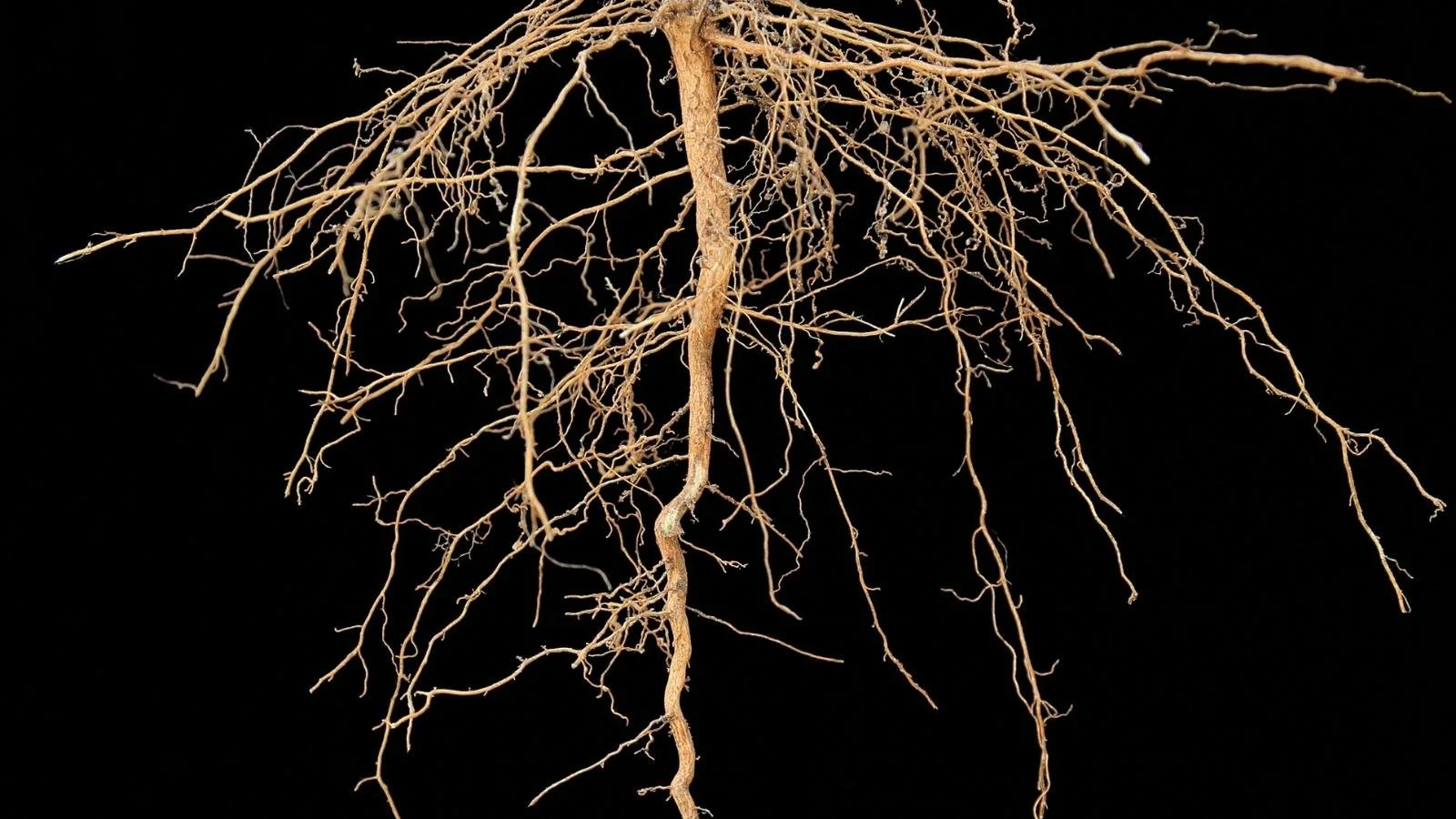
Roots are concentrated near the surface.
Pasture or crops struggle sooner when conditions turn dry.
Growth becomes patchy.
A paddock that once seemed forgiving becomes increasingly difficult to manage.
So you dig.
And somewhere beneath the surface, the spade meets resistance.
The obvious conclusion is:
“This soil is becoming compacted.”
The next question usually follows quickly.
What's causing it?
Machinery?
Stock?
Cultivation?
Working the soil when it's too wet?
All of those can matter.
But there is another question that can tell us even more:
Why does one soil seem to recover from pressure while another progressively becomes tighter?
Because every productive agricultural soil experiences pressure.
The interesting part is what happens next.
Compaction Begins When Pore Space Disappears
Soil can look solid from above.
It isn't.
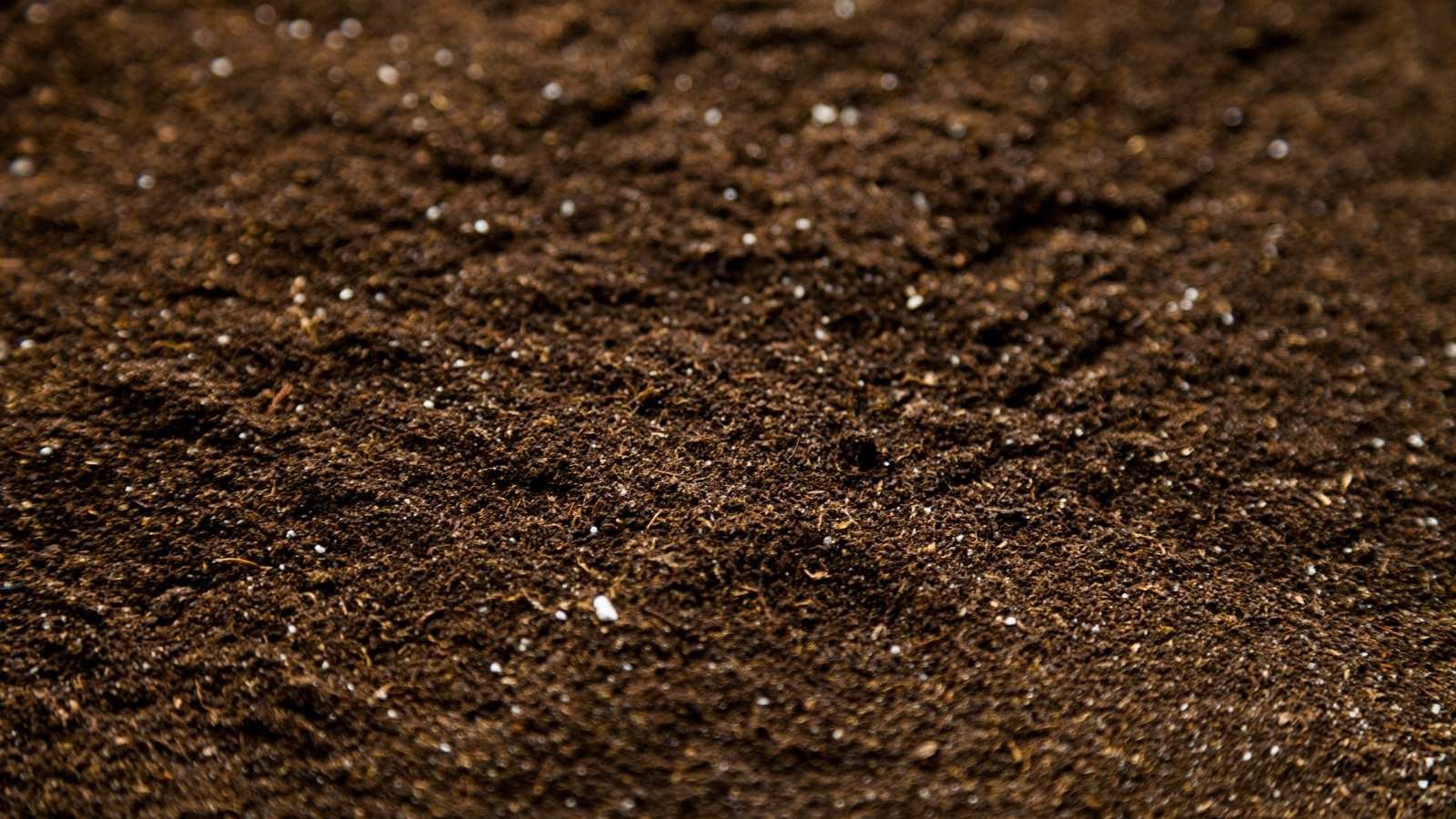
A functioning soil contains an enormous network of spaces between and within the arrangements of soil particles.
Some hold water.
Some contain air.
Some allow water to move deeper into the profile.
Roots grow through them.
Earthworms and other soil organisms create and use them.
Those spaces are part of what makes soil function as a living environment rather than simply a mass of mineral particles.
Compaction changes that architecture.
When pressure pushes soil particles and aggregates closer together, pore space is reduced — particularly the larger pores that are important for drainage, aeration and root movement.
The soil becomes denser.
Water moves differently.
Air exchange slows.
And roots meet greater mechanical resistance as they attempt to grow through the profile.
That is the physical event we call compaction.
But knowing what compaction is doesn't yet explain why it seems to become progressively worse.
For that, we need to look at when soil is most vulnerable.
The Same Weight Doesn't Always Cause the Same Damage
Imagine driving the same machine across the same paddock twice.
Once when the soil is relatively dry.
Once when it is wet.
The machine hasn't changed.
Its weight hasn't changed.
But the soil's ability to withstand that load has.
Wet soils are particularly vulnerable to compaction because water changes how soil responds to pressure. Under susceptible conditions, particles and aggregates can be displaced and packed together more readily.
The same principle applies to livestock.
Hoof pressure concentrated onto wet ground can deform the surface, close pore spaces and create pugging. Repeated traffic can concentrate damage in gateways, trough areas, laneways, headlands or frequently travelled parts of a paddock.
In cultivated systems, repeated machinery passes can compact the surface or deeper layers. Repeated tillage at similar depths can also contribute to dense layers below the cultivated zone.
So timing matters.
Load matters.
Tyres, axle loads, traffic patterns and the number of passes matter.
Stocking pressure and soil moisture matter.
Soil texture matters.
But if those were the whole explanation, compaction would simply be a story of pressure applied from above.
It isn't.
Because soils do not all respond to that pressure in the same way.
Why Does One Soil Carry Better Than Another?
Walk across two neighbouring areas after rain.
One may feel relatively firm and supportive.
The other cuts up quickly.
Put a spade into both and the contrast may become clearer.
One comes apart into recognisable aggregates with visible pores and root channels.
The other breaks into dense blocks or smears when wet.
That difference matters because the particles in a well-structured soil are not simply lying loose beside one another.
They are organised into aggregates.
Between those aggregates is a network of pores.
Roots, organic matter, microorganisms, fungal hyphae and soil animals all contribute, directly or indirectly, to the formation and maintenance of that structure. Earthworm channels and old root pathways can become important routes for water, air and future roots.
This gives soil something important:
structure that can resist deformation and continue functioning after pressure is applied.
A soil with weak or degraded structure has less defence.
When pressure arrives — particularly when the soil is wet — pore space can be lost more readily.
And once enough of those pathways disappear, another problem begins.
The soil's ability to rebuild them can also become restricted.
Compaction Can Start Reinforcing Itself
This is where a compacted paddock can become frustrating.
You might assume the problem happened when the tractor crossed it or stock pugged it.
But the consequences continue after the pressure has gone.
Reduced pore space can slow infiltration and drainage.
Poorer aeration can alter the environment around roots and soil organisms.
Greater mechanical resistance can restrict where roots grow.
And if fewer roots are exploring the compacted zone, fewer new root channels are being created through it.
That matters because roots don't only benefit from soil structure.
They help create it.
As roots grow, die and are replaced, they contribute organic material and leave pathways behind. Soil organisms also help develop and maintain pores and aggregates.
So compaction can create an awkward feedback loop:
poorer structure restricts roots and soil activity; restricted roots and soil activity reduce some of the processes that help maintain and rebuild structure.
The soil has not become permanently inert.
But its capacity to recover may no longer be keeping pace with the pressure being applied to it.
That changes the question considerably.
Instead of asking only:
“What's compacting my soil?”
we can ask:
“Why isn't my soil recovering as well as it used to?”
Look at the Roots Before You Blame the Plants
A plant cannot negotiate with a dense layer.
Its roots have to find a way through it, around it or along existing cracks and pores.
When mechanical resistance becomes too great, root growth and distribution can change. Roots may become shallower, concentrate above a compacted layer, follow cracks or existing channels, or explore a smaller volume of soil. Research has long established the connection between increased soil strength and restricted root growth, with consequences for water and nutrient uptake.
Above ground, the result may not immediately look like a root problem.
You might see plants running out of moisture sooner.
A weaker response to fertiliser.
Slower recovery.
Uneven growth.
Greater sensitivity when conditions become wet or dry.
That is because root restriction changes the amount of soil the plant can explore.
A plant with roots actively exploring a larger soil volume has more opportunity to encounter water and nutrients.
A plant concentrated in the top few centimetres has less room to work with.
So compaction isn't only a problem because the soil is hard.
It matters because changing the physical environment below ground can change what the plant is able to access above ground.
And Water Can Make the Problem Look Contradictory
Compacted soil can sometimes seem too wet.
Then, surprisingly quickly, plants can behave as though they are short of water.
Both observations can make sense.
When larger pores are lost, water may enter and move through the soil more slowly. Surface ponding and runoff can increase, while drainage and aeration can deteriorate.
Yet restricted roots may also be exploring less of the soil profile.
So even when water exists deeper down, the plant may have less access to it.
That means a compacted soil can struggle at both ends of the moisture range.
When wet, it may drain and aerate poorly.
When conditions dry out, shallow or restricted roots may have a smaller reserve of accessible moisture to draw from.
The problem isn't simply whether the paddock contains water.
It's whether the soil can receive it, move it, store it in useful places and allow roots to reach it.
Now compaction begins to look less like a single hard layer and more like a change in soil function.
So Should You Just Break the Compaction?
Sometimes physical remediation is appropriate.
If there is a clearly identified compacted layer, suitable mechanical intervention under the right soil conditions may be part of the answer.
But loosening soil and rebuilding soil structure are not necessarily the same thing.
A tine can physically fracture a dense layer.
It does not automatically create stable aggregates, sustained biological pores, extensive root systems or a soil that is more resistant to the next damaging event.
In fact, soil-compaction guidance distinguishes between mechanically loosening compacted soil and improving the underlying structure that helps the soil remain functional over time.
That doesn't make cultivation, aeration or subsoiling wrong.
It means the objective matters.
Are you trying to relieve an existing physical restriction?
Or are you trying to change how the soil functions so it has a better opportunity to resist and recover from future pressure?
Often those are related jobs.
They are not identical ones.
The Better Target Is Resilience, Not Just Softness
A useful soil isn't simply a soft soil.
Agricultural soil needs to carry animals and machinery.
It needs enough contact around roots and seed.
It needs to hold water as well as drain excess water.
It needs structure that remains useful through wetting, drying, grazing, cultivation and traffic.
So the goal isn't to make the soil permanently loose.
It is to improve the organisation and stability of the soil environment.
That means thinking about the connected processes that help create and maintain pore space:
root growth;
aggregate formation and stability;
organic matter inputs;
soil organism activity;
water movement;
and management that reduces damaging pressure when the soil is particularly vulnerable.
This is where the investigation reaches its central answer.
Soil becomes compacted when pressure collapses or rearranges its pore structure faster than the soil can resist, rebuild and maintain that structure.
Traffic and stock may provide the pressure.
Wet conditions may increase the vulnerability.
But the condition of the soil determines a great deal about what happens next.
And that creates an opportunity.
What If the Soil Could Recover Better?
We cannot farm without putting pressure on soil.
Animals have to graze.
Machinery has to travel.
Crops have to be established and harvested.
Weather will not always cooperate with the farming calendar.
So preventing every compacting event is unrealistic.
Reducing unnecessary pressure especially on wet soil remains important.
But there is another side to the equation.
We can also work on the soil's capacity to function.
If the underlying soil environment better supports aggregation, pore development, root exploration and biological activity, several things can begin working in the same direction.
More extensive roots can explore more soil.
Roots and soil organisms can contribute to pathways through the profile.
Stable aggregation can help preserve useful pore space.
Improved pore continuity can create better opportunities for air and water movement.
Those processes can then support further root growth.
That is a leverage point.
Not because one change makes a soil immune to compaction.
But because improving the environment responsible for maintaining soil structure can influence several connected processes at once.
And that is where DCT enters this story.
Now You Understand Why Our Products Exist
DCT didn't begin with the idea that farmers needed another way to temporarily loosen hard soil.
We began with a broader question:
How can we improve key processes within the farming system so the system as a whole has a better opportunity to perform efficiently?
For more than twenty years, that question has shaped how we've looked at soils, roots, nutrients and plants.
It's shaped our field observations, the research we've followed and the products we've developed.
Our products aren't designed to replace good soil management, appropriate cultivation, drainage or sensible decisions about when animals and machinery go onto vulnerable ground.
They're designed to support key underlying processes that influence how effectively the soil and plant system functions.
And that's important with compaction.
Because once we understand that the objective isn't simply to make hard soil softer, another opportunity appears.
We can work on the underlying soil environment.
We can support the processes associated with soil structure, root development, water movement and nutrient access.
And because those processes are connected, improving an important part of the soil environment can create opportunities elsewhere in the system too.
That's the thinking behind DCT's approach.
Depending on your farming system, what you're seeing in the soil and what you're trying to achieve, there are different ways to begin.
One Question to Take Back to the Paddock
The next time you investigate a compacted area, don't only dig where the soil is worst.
Find somewhere nearby where the soil is carrying well and plants consistently perform strongly.
Then dig both.
Compare them.
Does one soil break apart readily while the other comes out in dense blocks?
Where are the roots?
How deep do they travel?
Do they suddenly turn sideways at a particular depth?
Can you see old root channels, cracks or earthworm pathways?
What happens to water in each area after rain?
And think about what each area has experienced.
Stock.
Machinery.
Cultivation.
Wet conditions.
Repeated traffic.
Then ask:
“What is allowing this soil to maintain its structure better than that one?”
That question takes you further than simply asking what caused the compaction.
Because traffic, stock and wet conditions may explain where the pressure came from.
But they don't necessarily explain why one soil coped with that pressure better than another.
You may discover a compacted layer that needs direct physical remediation.
You may find a management practice that can be changed.
Or you may discover that the bigger opportunity lies in improving the soil's ability to maintain and rebuild the structure that farming continually puts under pressure.
That's the more useful way to think about compaction.
Not simply:
“How do I loosen this soil?”
But:
“How can I help this soil function better so it is more capable of coping with the pressures of farming?”
Once you start looking at compaction that way, hard soil is no longer the whole problem.
It's a symptom that tells you something about what is happening underneath.
And understanding that difference gives you a much better place to start.
Want to Understand the System More Deeply?
-
Root Development
Understanding how plants explore the soil for water and nutrients.
-
Soil Function
Understanding the environment where roots, water, nutrients and living processes interact.
-
Nutrient Efficiency
Understanding how farming systems capture and use available nutrients.
-
Plant Performance
Understanding how plants convert available resources into productive growth.
Not Sure Where to Start?
Tell us what you're applying now, what response you're getting and what you've noticed on the farm. We'll help you work out the most appropriate place to start.