
Why Am I Using More Fertiliser Without Getting More Growth?
Why increasing fertiliser inputs doesn't always produce the extra growth you expect and what a declining response can tell you about what's limiting performance.
You know the calculation.
Apply fertiliser.
Grow more.
Turn that extra growth into production.
When the response is there, the logic is straightforward.
But what happens when the calculation starts changing?
You're still applying fertiliser.
Perhaps you're applying more than you used to.
Costs have certainly gone up.
Yet the extra growth doesn't seem to be following.
The nutrients are going on.
But the difference between what you put in and what you get back seems to be getting smaller.
It's tempting to assume the answer is more fertiliser.
Perhaps the crop or pasture has become hungrier.
Perhaps the rate needs increasing.
Perhaps something else needs adding.
Sometimes a nutrient genuinely is deficient.
But there is another possibility worth investigating first.
What if the nutrient you're adding is no longer the thing holding growth back?
Plants Don't Grow on Fertiliser Alone
Fertiliser supplies nutrients.
Plants need those nutrients to grow.
But nutrients are only part of the growth process.
Plants also need suitable temperature.
Water.
Light.
Healthy growing tissue.
Roots capable of exploring the soil.
And the other essential nutrients required to build new growth.
These requirements work together.
And that creates an important principle.
If one essential requirement becomes limiting, supplying more of something else cannot fully compensate for it.
Imagine nitrogen is limiting growth.
Add nitrogen under suitable conditions and the response can be strong.
Keep increasing nitrogen and eventually something else may begin to matter more.
Perhaps moisture.
Perhaps another nutrient.
Perhaps temperature.
At that point, the next kilogram of nitrogen doesn't have the same opportunity to become extra growth as the first.
The fertiliser hasn't necessarily stopped working.
The limitation may have moved.
The Limiting Factor Can Change Without You Changing the Fertiliser
This is why fertiliser response can be confusing.
The same product applied at the same rate can produce different results at different times.
Apply a nutrient when plants are actively growing, moisture is suitable and other requirements are being met, and the response can be strong.
Apply it when the soil is waterlogged, conditions are dry or temperatures are restricting growth, and the response can be much smaller.
The fertiliser may be entering a completely different growing environment.
The same applies across a farm, crop, vineyard or orchard.
Two areas can receive essentially the same fertiliser.
One responds.
The other doesn't.
That difference is useful.
Because if the input is similar but the outcome isn't, the fertiliser itself may not be the best place to begin looking.
Ask what is different about the conditions in which the plant is being asked to use it.
Having Nutrients in the Soil Isn't the Same as Turning Them Into Growth
This distinction becomes particularly important when testing shows reasonable nutrient levels but plant performance still disappoints.
A soil test can tell you useful things about nutrient status.
It cannot, by itself, guarantee plant growth.
The nutrient still has to be available in an appropriate form.
Roots have to reach the soil containing it.
Water helps move some nutrients toward roots and through the plant.
The root system has to remain active enough to take them up.
And the plant needs the conditions required to use those nutrients to build new tissue.
So there are really two questions:
“Is the nutrient there?”
and:
“Can the plant turn what is there into growth?”
Those questions sound similar.
They aren't.
And the difference helps explain why simply increasing inputs can eventually become disappointing.
Sometimes the Missing Nutrient Really Is the Problem
None of this means fertiliser isn't needed.
If an essential nutrient is deficient, correcting that deficiency can be important.
Soil pH can matter too because it influences nutrient availability and the wider soil environment.
That's why testing, fertiliser history and, where useful, plant or tissue analysis are much more informative than guessing from appearance alone.
The question isn't simply how much nutrient you're applying.
It's whether you're applying the nutrient that is actually limiting performance.
And sometimes the limitation isn't a nutrient at all.
What Else Is Different Where Growth Is Better?
This is where comparison becomes useful.
Find an area receiving a similar fertiliser programme that consistently performs better.
It might be another paddock.
Another part of the crop.
A different row.
Another block.
Then look beyond the fertiliser.
Does one area stay wetter for longer?
Does another dry out sooner?
Are roots deeper and better distributed?
Is compaction or poor soil structure restricting one area?
Are plants vigorous and well established, or is the population thin and uneven?
If roots are restricted to a smaller volume of soil, they have less soil from which to access water and nutrients.
If soil remains saturated, root activity and plant growth can be restricted.
If moisture becomes limiting, the plant's ability to grow and respond to added nutrients can fall.
If plant establishment or vigour is poor, additional fertiliser cannot simply manufacture the missing productive plants.
In each case, more fertiliser can be added without removing the factor actually holding growth back.
And that's when a declining response becomes useful evidence.
The Missing Growth Can Tell You More Than the Extra Fertiliser
Suppose you used to see a noticeable lift after fertiliser.
Now you apply a similar input and the difference is harder to see.
The first instinct is often to focus on the fertiliser.
Instead, look at the missing response.
When did it begin?
Is it seasonal?
Is it widespread or confined to particular areas?
Does the same area disappoint repeatedly?
Does performance change when conditions become wetter or drier?
What is different where the response is stronger?
You're looking for contrast.
Because the declining response may be telling you that another constraint has become more important.
And that leads to the central answer.
More Fertiliser Doesn't Create More Growth Once Something Else Is Limiting It
Plant growth depends on several essential requirements working together.
Fertiliser can correct a nutrient limitation.
But it cannot indefinitely compensate for another constraint.
If the nutrient you're adding is no longer the main factor limiting growth, adding more of it will produce progressively less additional growth.
The limiting factor may be another nutrient.
It may be pH.
Water.
Temperature.
Plant condition.
Rooting.
Or another physical or biological constraint.
The important discovery is not that fertiliser has somehow “stopped working.”
It's that the next unit of fertiliser can only create extra growth if the rest of the system gives the plant an opportunity to use it.
So when fertiliser use rises without a matching increase in growth, the better response isn't automatically to increase the input again.
It's to find out what has become limiting.
That Changes the Opportunity
Once the limiting factor is identified, the next decision becomes much more precise.
If a nutrient is genuinely deficient, address it.
If pH is limiting nutrient availability, investigate that.
If weather is temporarily restricting growth, additional fertiliser may simply be poorly timed.
And if the limitation lies in the soil, roots or the plant's ability to access and use the resources already available, improving those processes may offer more leverage than simply increasing nutrient inputs.
The objective isn't to use less fertiliser for the sake of it.
It's to get more value from the resources already going into the farming or growing system.
And that's where DCT enters this story.
Now You Understand Why Our Products Exist
DCT didn't begin with the idea that farmers and growers simply needed more fertiliser.
We began with a broader question:
How can we improve key processes within farming and growing systems so the system as a whole has a better opportunity to perform efficiently?
For more than twenty years, that question has shaped how we've looked at soils, roots, nutrients and plants.
Our products aren't designed to replace soil testing, sound fertiliser planning, appropriate nutrient applications or good agronomic management.
They're designed to support key underlying processes that influence how effectively nutrients and other resources contribute to plant performance.
When the issue isn't simply how much nutrient is being applied, but how effectively the system can turn available resources into productive growth, that broader approach becomes relevant.
Depending on your system, what you're already applying and what you're trying to improve, there are different ways to begin.
One Question to Take Back to the Paddock
The next time a fertiliser response disappoints, don't begin by asking how much more to apply.
Find somewhere that responded better under a similar fertiliser programme.
Then compare.
The timing.
The plants.
The soil.
The roots.
The moisture conditions.
And the recent history of each area.
You're looking for the first meaningful difference.
Then ask:
“If the nutrient is there, what is stopping the plant from turning it into growth?”
Sometimes the answer will genuinely be another nutrient.
Sometimes it will be timing or weather.
Sometimes the limitation will be somewhere else in the system.
But you'll be asking a better question than:
“How much more fertiliser do I need?”
Because when more input stops producing more output, the missing growth is telling you something.
Find what's limiting it.
Want to Understand the System More Deeply?
-
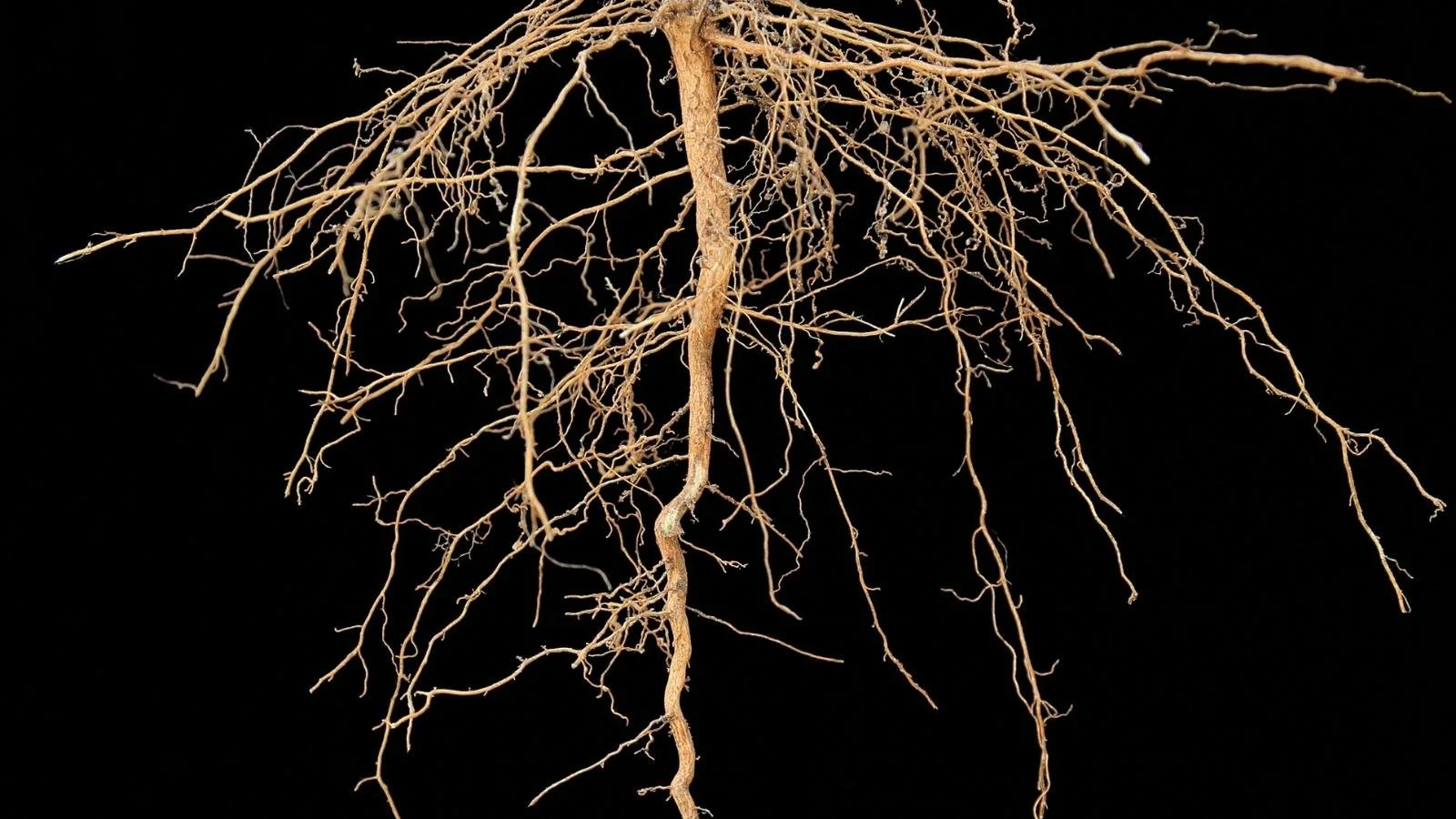
Root Development
Understanding how plants explore the soil for water and nutrients.
-
Soil Function
Understanding the environment where roots, water, nutrients and living processes interact.
-
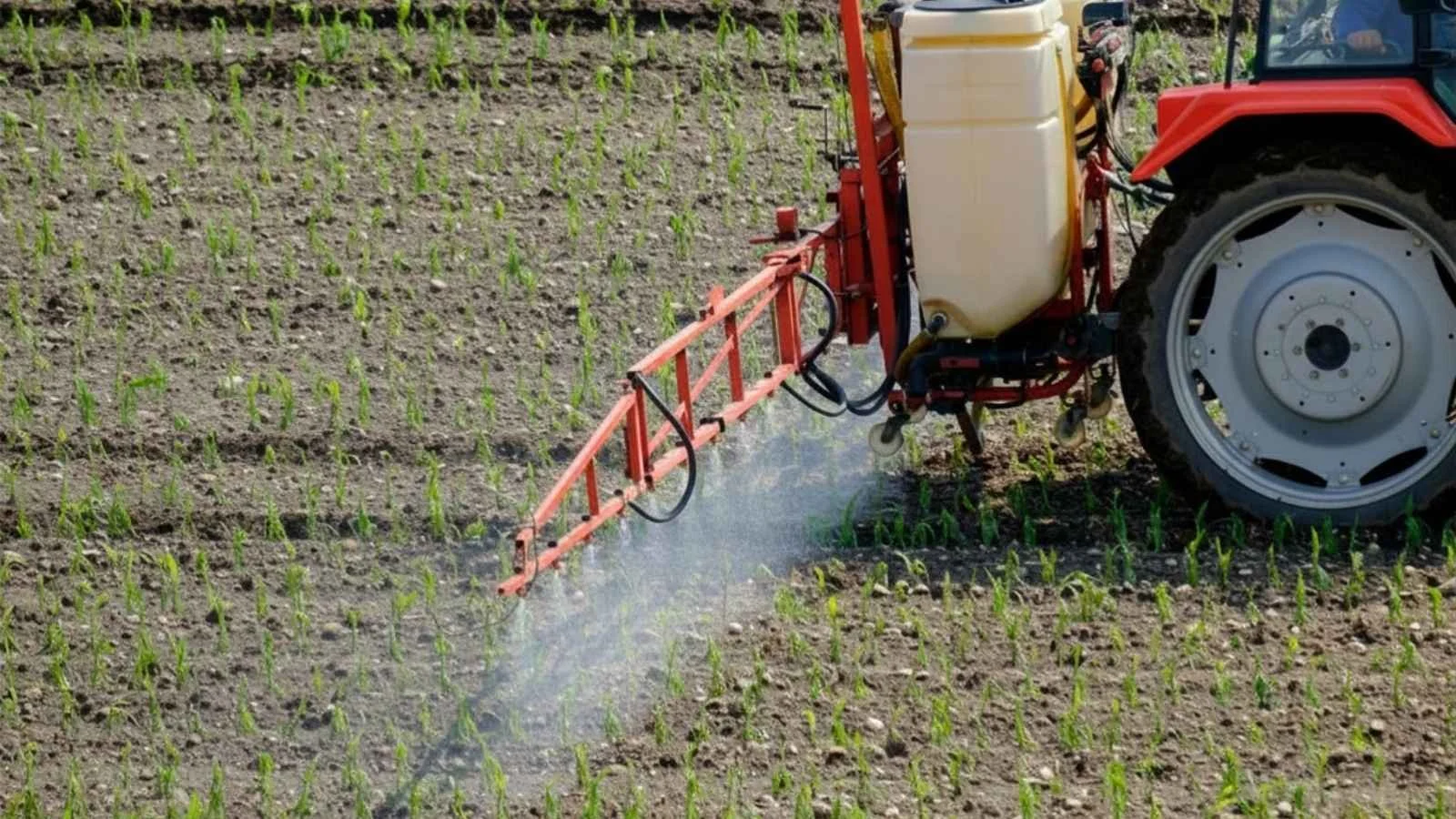
Nutrient Efficiency
Understanding how farming systems capture and use available nutrients.
-
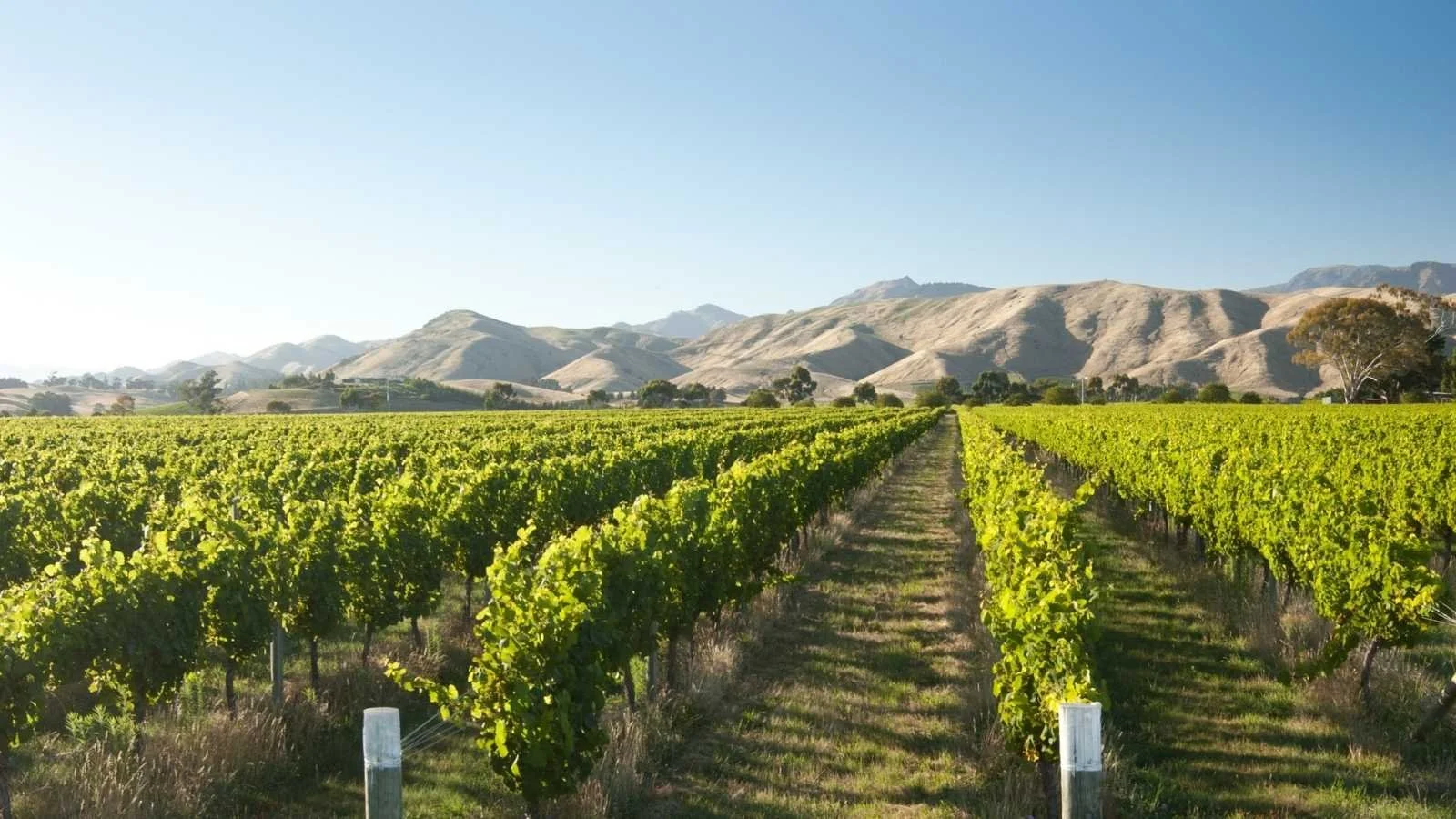
Plant Performance
Understanding how plants convert available resources into productive growth.
Not Sure Where to Start?
Tell us what you're applying now, what response you're getting and what you've noticed on the farm. We'll help you work out the most appropriate place to start.