
Why Is My Fruit Quality Inconsistent?
Why fruit from the same orchard sometimes the same block or tree can finish with very different size, colour, maturity or eating quality.
You often don't see the full problem until harvest approaches.
Some fruit is exactly where you want it.
Good size.
Good colour.
Developing evenly.
Then you move through the block.
Fruit is smaller.
Colour is behind.
Maturity is less consistent.
Perhaps the packout eventually tells the story more clearly than the orchard did.
More variation.
More fruit outside the target grade.
Less of the crop finishing where you expected.
The obvious question is:
What happened to the fruit?
But inconsistent fruit quality often becomes easier to understand when we ask a different question.
When did those fruit begin having different growing experiences?
Because the difference you see at harvest may have started much earlier.
Fruit Quality Is Built Through the Season
A developing fruit isn't growing independently.
It is connected to a plant that has to supply what that fruit needs.
Water.
Mineral nutrients.
And carbohydrates produced through photosynthesis.
Those resources are also required elsewhere.
For shoot and leaf growth.
Root activity.
Other developing fruit.
Maintenance of the plant itself.
So fruit development depends on the relationship between what the plant can supply and the demands being placed upon it.
From flowering and fruit set onwards, that relationship keeps changing.
Which means fruit from the same orchard can finish differently because it hasn't necessarily experienced the same growing conditions along the way.
One of the clearest examples is crop load.
More Fruit Means More Competition
Imagine two otherwise similar trees.
One is carrying a moderate, well-distributed crop.
The other is carrying considerably more fruit.
The second tree doesn't automatically gain a larger photosynthetic canopy or root system simply because more fruit has set.
It has more developing fruit competing for what the tree can supply.
That can influence fruit growth and quality.
It's why thinning and crop-load management can have such a significant effect on the crop that remains.
But crop load doesn't only vary between blocks.
It can vary between trees.
Between branches.
Even between parts of the canopy.
So when fruit quality is inconsistent, don't only ask how many tonnes the block is carrying.
Ask:
“How evenly is that crop load distributed across the plants producing it?”
But even fruit on similarly loaded trees can experience very different conditions within the canopy.
And position matters.
The Fruit Is Growing on a Solar-Powered System
Leaves manufacture carbohydrates using light.
Those carbohydrates contribute to the supply available for fruit growth and development.
So the amount and distribution of useful light through the canopy matter.
Fruit developing in a well-lit, functioning part of the canopy can experience a different growing environment from fruit buried deep in shade.
Light can also influence fruit characteristics more directly, including colour development in crops where colour is commercially important.
This creates another reason fruit from the same tree can finish differently.
From the orchard row, the canopy looks like one plant.
From within it, there can be very different light environments.
The outside of the canopy and the shaded interior aren't necessarily developing fruit under the same conditions.
That makes canopy management more than a question of keeping trees tidy.
It influences how effectively the plant captures light and creates the resources on which fruit development depends.
And then there is water.
Water Stress Doesn't Have to Kill a Plant to Change the Crop
Water matters to fruit development, but it also supports processes occurring throughout the plant.
As water becomes harder to access, the plant begins responding before it reaches the point of severe visible stress.
Shoot growth may slow.
Stomata can close to reduce water loss, which can also restrict photosynthesis.
Fruit growth and development can be affected depending on the crop, severity and timing of the stress.
The important word is timing.
Water limitation at one stage of fruit development doesn't necessarily have the same effect as the same limitation at another.
And irrigation doesn't automatically give every plant the same water experience.
Soil depth can vary.
Rooting can vary.
Water-holding characteristics can change through a block.
Irrigation distribution can differ.
One part of the orchard may therefore begin experiencing water limitation while another is still functioning normally.
Again, the season is shared.
The growing conditions experienced by each plant may not be.
Nutrition Matters, But More Isn't Automatically Better
When fruit quality disappoints, nutrition naturally becomes part of the investigation.
And it should.
Plants require an appropriate supply and balance of essential nutrients.
A genuine deficiency can affect growth and crop performance.
But fruit quality isn't created by maximising every nutrient.
Nutrient requirements vary with crop, soil, growth stage, crop load and production objective.
Excessive availability of one nutrient can also alter plant growth or nutrient balance rather than simply creating better fruit.
So testing and crop-specific nutritional management matter.
The useful question isn't:
“What can I add to improve fruit quality?”
It's:
“Is nutrition actually limiting the process that is producing this variation?”
Because if one part of a block is producing good fruit under broadly the same nutrition programme, the contrast may be pointing somewhere else.
The Best Fruit Can Help Explain the Worst
When fruit quality varies, averages can hide the most useful information.
So compare.
Find trees producing fruit close to your target.
Then find the area where quality is consistently poorer.
What changes between them?
Crop load?
Canopy density?
Light exposure?
Fruit position?
Water availability?
Plant vigour?
Soil or rooting conditions?
Don't assume every difference is causal.
You're looking for a pattern.
And pay attention to when that pattern first becomes visible.
Was fruit size already separating early?
Did one area stop growing as strongly during a dry period?
Did colour differences appear as the canopy developed?
Was maturity uneven well before harvest?
This matters because harvest is often when inconsistent quality is measured.
It isn't necessarily when inconsistent quality was created.
Fruit Quality Is the Result of a Growing History
That's the central discovery.
The fruit you harvest is the accumulated result of what happened while it was developing.
Its crop load.
Its position and light environment.
The water available to the plant.
Its nutritional environment.
The plant's ability to capture and access resources.
And the stresses and conditions experienced at important stages along the way.
Inconsistent fruit quality develops when fruit that appears to belong to the same crop has, in practice, experienced meaningfully different growing conditions.
Those differences can occur between blocks.
Between plants.
Within the same canopy.
Sometimes the cause is obvious and manageable.
Sometimes the season itself creates variation that cannot be completely removed.
But the important shift is this:
Don't start at harvest and work forward toward a treatment.
Work backwards through the fruit's growing history and find where the paths began to separate.
Once you've found that difference, the opportunity becomes much clearer.
The Opportunity Is Greater Consistency Through the Growing System
The objective isn't to make every piece of fruit identical.
Biology doesn't work that way.
It's to reduce avoidable variation in the conditions that influence fruit development.
That may mean crop-load or canopy management.
It may mean correcting irrigation or nutrition.
And where differences in soil condition, rooting or resource access are contributing to uneven plant performance, improving those underlying processes can form part of the wider approach.
The aim is not simply more growth.
It's giving more of the crop a similar opportunity to reach the quality you're targeting.
And that's where DCT enters this story.
Now You Understand Why Our Products Exist
DCT didn't begin with the idea that growers needed another product promising better fruit.
We began with a broader question:
How can we improve key processes within farming and growing systems so the system as a whole has a better opportunity to perform efficiently?
For more than twenty years, that question has shaped how we've looked at soils, roots, nutrients and plants.
Our products aren't designed to replace crop-load management, canopy management, irrigation, appropriate nutrition or sound horticultural decisions.
They're designed to support key underlying processes that influence how effectively plants access and use the resources available to them.
Where inconsistent fruit quality is connected to uneven plant performance, soil condition, rooting or resource access, that broader approach can become relevant.
Depending on what you're growing, what you're seeing and what you're trying to improve, there are different ways to begin.
One Question to Take Back to the Vineyard
The next time you see inconsistent fruit quality, don't only inspect the fruit that missed the target.
Find the fruit that got there.
Then compare where and how it grew.
Look at the crop around it.
Its position in the canopy.
The surrounding canopy and light environment.
The water available to the plant.
And anything else that changed as you move into the poorer-performing area.
Then ask:
“When did these fruit begin having different growing experiences?”
The answer may take you back weeks or months.
But that's the point.
The better question isn't simply:
“Why is this fruit different at harvest?”
It's:
“Where in its growing history did the difference begin?”
Because consistent fruit quality isn't created at harvest.
It's built through the season.
Want to Understand the System More Deeply?
-
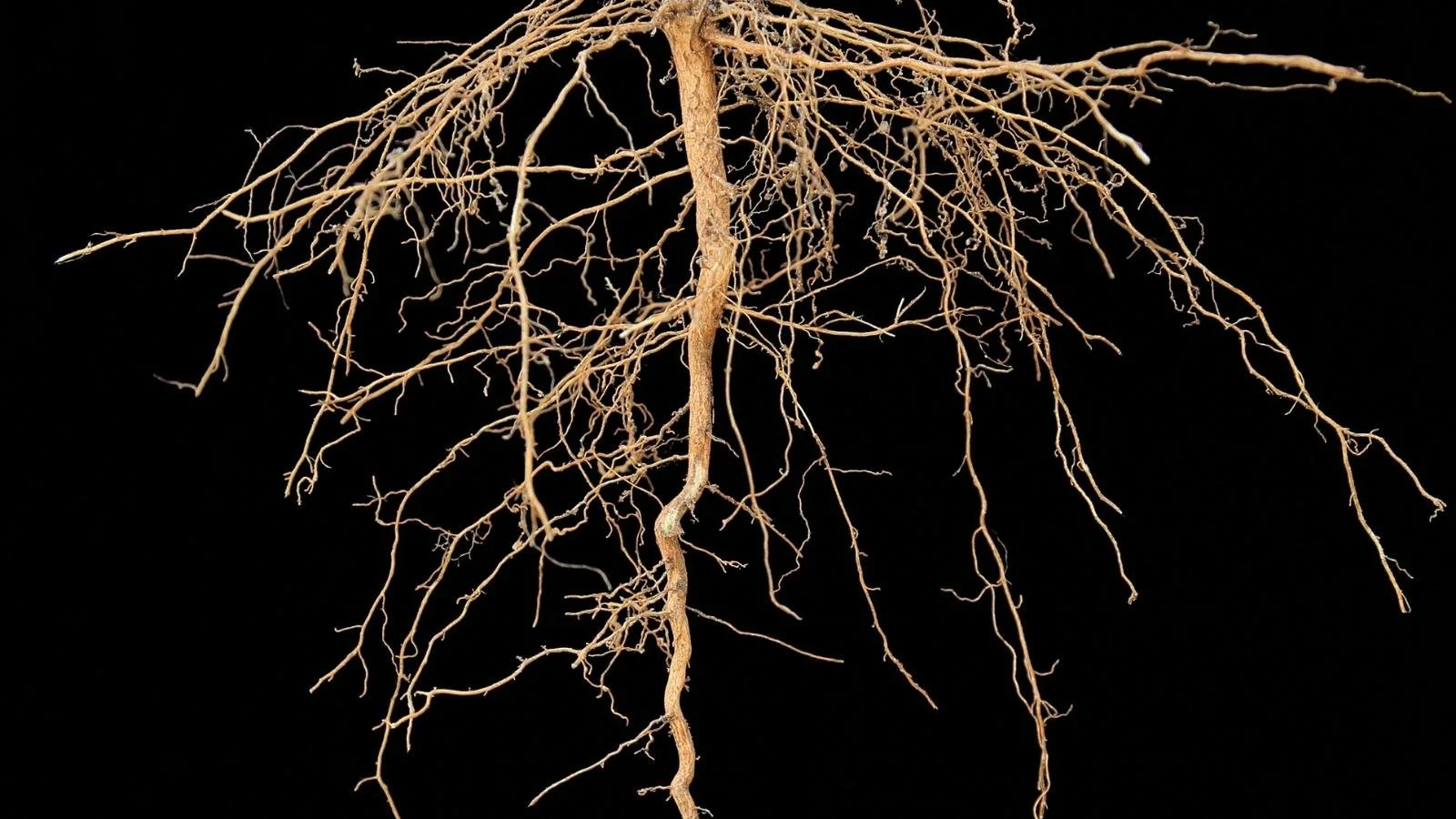
Root Development
Understanding how plants explore the soil for water and nutrients.
-
Soil Function
Understanding the environment where roots, water, nutrients and living processes interact.
-
Nutrient Efficiency
Understanding how farming systems capture and use available nutrients.
-
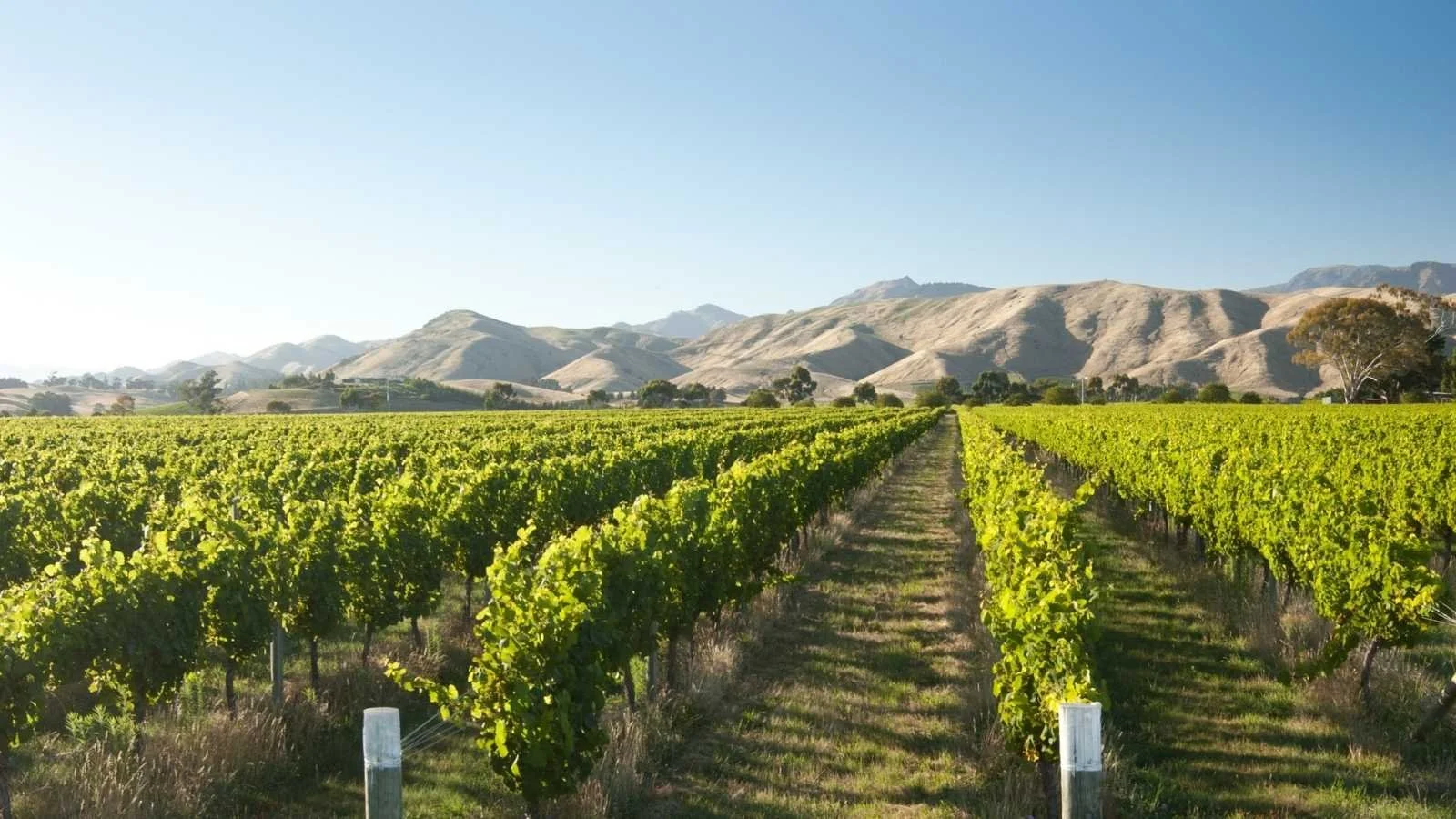
Plant Performance
Understanding how plants convert available resources into productive growth.
Not Sure Where to Start?
Tell us what you're applying now, what response you're getting and what you've noticed on the farm. We'll help you work out the most appropriate place to start.