
Why Isn’t My Nitrogen Working Like It Used To?
Why the same nitrogen programme can produce very different results and what that can tell us about improving nitrogen efficiency.
Sometimes nitrogen works exactly as expected.
It goes on. Conditions are favourable. The pasture responds.
Other times, something doesn't add up.
The same product.
The same rate.
Similar timing.
Sometimes even the same paddock.
Yet the response isn't what it used to be.
Perhaps growth takes longer to appear.
Perhaps the response is weaker.
Perhaps one paddock takes off while another barely seems to notice.
Or perhaps you've simply found yourself thinking:
“I thought we'd get more out of that.”
If so, you're asking an important question.
Because when nitrogen underperforms, the loss isn't just the cost of the fertiliser.
It's the growth you expected and didn't get.
The grazing round that becomes harder to manage.
The crop that doesn't quite reach its potential.
The opportunity that quietly disappears.
So naturally, we look at the nitrogen.
Was the rate right?
Was the timing wrong?
Did enough rain arrive?
Was application even?
Should we have used something different?
Those are sensible questions.
And sometimes the answer is there.
But what happens when the nitrogen programme hasn't changed very much...
and the response has?
That's where the investigation gets interesting.
If the Nitrogen Is the Same, What Changed?
Imagine two paddocks.
Same farm.
Same fertiliser.
Same application rate.
Same week.
Rain falls across both.
A fortnight later, one is clearly ahead.
The other isn't.
If the fertiliser alone determined the result, that difference would be difficult to explain.
Yet variations like this happen all the time.
Between paddocks.
Between soil types.
Between seasons.
Sometimes even within the same paddock.
So perhaps the fertiliser application is only the beginning of the story.
Because applying nitrogen and growing more pasture are not the same event.
Something has to happen between the two.
The nitrogen has to become part of a functioning plant.
And that gives us somewhere useful to look.
The Nitrogen Has Been Applied. Now What?
Once nitrogen reaches the paddock, we tend to think of the job as largely done.
But from the plant's perspective, the important part is only beginning.
Nitrogen has to move through the farming system.
It needs to remain available in a form and location the plant can access.
Water influences its movement.
Soil conditions influence what happens around it.
Roots have to encounter it.
The plant has to take it up.
And then that captured nitrogen has to contribute to new plant growth.
Not all of the nitrogen applied will necessarily complete that journey.
Depending on conditions, nitrogen can follow different pathways within the soil-plant system. Some becomes available to plants. Some may be temporarily held or transformed within the soil. Some can move beyond the active root zone or be lost to the atmosphere.
The response we eventually see above ground is therefore the end result of much more than the application itself.
Which gives us a more useful question:
How much of the nitrogen applied actually had the opportunity to become productive growth?
To answer that, we need to look below the pasture.
Can the Roots Reach It?
Roots change the size of the world available to a plant.
A shallow or restricted root system has access to a relatively small volume of soil.
A deeper, more extensive root system can explore much more.
That means access to more nutrients.
More moisture.
And potentially a greater reserve to draw from when conditions become difficult.
Nutrients don't simply need to exist somewhere in the paddock.
The plant needs an opportunity to encounter and absorb them.
Now think again about those two paddocks receiving the same nitrogen.
If one has roots actively exploring a much greater volume of soil than the other, have we really given those plants the same opportunity?
On paper, perhaps.
In practice, perhaps not.
And this is where something that looks like a nitrogen problem can start becoming something else.
Because if roots matter, the next question is obvious:
What determines where the roots can go?
Sometimes the Answer Is Under Your Boots
Digging into a paddock can tell a very different story from looking across it.
In one area, the soil may break apart readily.
Roots travel down through the profile.
Water enters easily.
There are visible pathways through the soil.
A few metres away, things can look very different.
The soil is harder.
Roots become concentrated closer to the surface.
Water behaves differently.
The plant is exploring less of the soil beneath it.
Above ground, both areas may receive exactly the same fertiliser programme.
Below ground, they are operating in very different environments.
And that's important.
Because soil isn't simply the place we put fertiliser.
It is the environment through which much of the fertiliser response has to happen.
Roots grow through it.
Water moves through it.
Nutrients move and cycle within it.
Air occupies the spaces within it.
Chemical and biological processes continually influence what happens around the roots.
If that environment changes, the opportunity to capture and use the same nitrogen can change with it.
Suddenly, the mystery isn't quite so mysterious.
Look at Where Nitrogen Is Working Best
When nitrogen response disappoints, it's natural to investigate the worst-performing paddock.
But there may be just as much to learn from the best one.
Where does nitrogen consistently seem to work well on your farm?
Which paddock responds quickly?
Which recovers strongly after grazing?
Which seems to keep growing when conditions become more difficult?
Now compare it with the area that disappoints.
What is different?
Dig some plants.
Compare the roots.
Look at the soil.
Think about drainage and moisture.
Consider how the paddocks have been managed.
You're not trying to diagnose an entire farming system with a spade.
You're looking for contrasts.
Because if the same nitrogen repeatedly produces different outcomes, those differences are clues.
And sometimes the successful paddock tells us more than the unsuccessful one.
Nitrogen Doesn't Work Alone
By now, we've moved a long way from the fertiliser spreader.
That's deliberate.
Because the response we call a “nitrogen response” isn't produced by nitrogen alone.
It's produced by a plant operating within a farming system.
Nitrogen matters enormously.
But so does the plant's ability to access it.
So does water.
So do roots.
So does the soil environment those roots are growing through.
And so does the plant's ability to turn captured nutrition into new tissue.
These aren't competing explanations.
They're connected parts of the same process.
And that gives us the central answer to the question we started with:
Applying nitrogen and growing more pasture are not the same thing.
The result depends on how effectively the farming system can capture that nitrogen and turn it into productive growth.
That's why the same nitrogen programme can produce different results.
And it's why a programme that once seemed to perform strongly can become less consistent when something else within the farming system changes.
So Is the Answer More Nitrogen?
Sometimes.
If nitrogen supply is genuinely limiting growth, more nitrogen may be exactly the right agronomic decision.
But if the limitation lies somewhere between application and plant growth, increasing the amount applied doesn't necessarily address the reason the response is disappointing.
Imagine roots are restricted to a relatively small volume of soil.
Adding more nutrient doesn't automatically give those roots access to more soil.
Or perhaps moisture movement, soil condition or another part of the system is restricting the plant's opportunity to capture what is already there.
That doesn't make nitrogen the wrong tool.
It changes the question.
Instead of only asking:
“How much nitrogen should I apply?”
we can also ask:
“How can I help the farming system make better use of the nitrogen I'm already applying?”
And that's where a different opportunity appears.
What If One Improvement Influences More Than One Thing?
This is where connected farming systems become particularly interesting.
Some processes influence many others.
Consider root development.
A stronger, more extensive root system doesn't simply give you “better roots.”
It changes the volume of soil the plant can explore.
That can change access to moisture.
It can change access to nutrients.
It can change how quickly the plant encounters limitations when conditions become difficult.
The same principle applies to the environment those roots are growing through.
Improve a key underlying process and the effect doesn't necessarily stop there.
It can influence what happens further along the chain.
These are leverage points within the farming system.
Not because one intervention magically fixes everything.
But because some improvements create opportunities across several connected processes at once.
For nitrogen efficiency, that's particularly important.
Because the objective isn't simply to have nitrogen present.
The objective is to create productive plant growth from the nitrogen you apply.
Anything that improves the system's ability to move towards that outcome has the potential to make the original nitrogen investment more valuable.
And that's where our own story enters this one.
Now You Understand Why Our Products Exist
DCT didn't begin with the idea that farmers needed another fertiliser.
We began with a different question:
How can we improve key processes within the farming system so the system as a whole has a better opportunity to perform efficiently?
For more than twenty years, that question has shaped how we've looked at soils, roots, nutrients and plants.
It's shaped our field observations, the research we've followed and the products we've developed.
Our products aren't designed to replace sound agronomy or existing fertiliser programmes.
They're designed to support key underlying processes that influence how effectively the farming system performs.
That's why the conversation doesn't have to end with:
“Use more nitrogen.”
There are other places we can intervene.
And depending on your farming system, what you’re applying now and what you’re trying to achieve, there are different ways to begin.
One Question to Take Back to the Paddock
The next time nitrogen goes on, don't only watch how green the pasture becomes.
Watch for differences.
Where does the response appear first?
Which paddocks recover most strongly?
Which areas hold growth for longer?
Where does nitrogen consistently seem to perform best?
Then ask:
What's different there?
Look above ground.
Then look below it.
You may not find one simple answer.
But you'll be asking a much better question than the one we started with.
Not simply:
“Why isn't my nitrogen working?”
But:
“What is helping or limiting my farming system's ability to turn nitrogen into productive growth?”
Once you begin seeing nitrogen that way, the fertiliser application is no longer the whole story.
It's the beginning of one.
And understanding what happens next is where better nitrogen efficiency begins.
Want to Understand the System More Deeply?
-
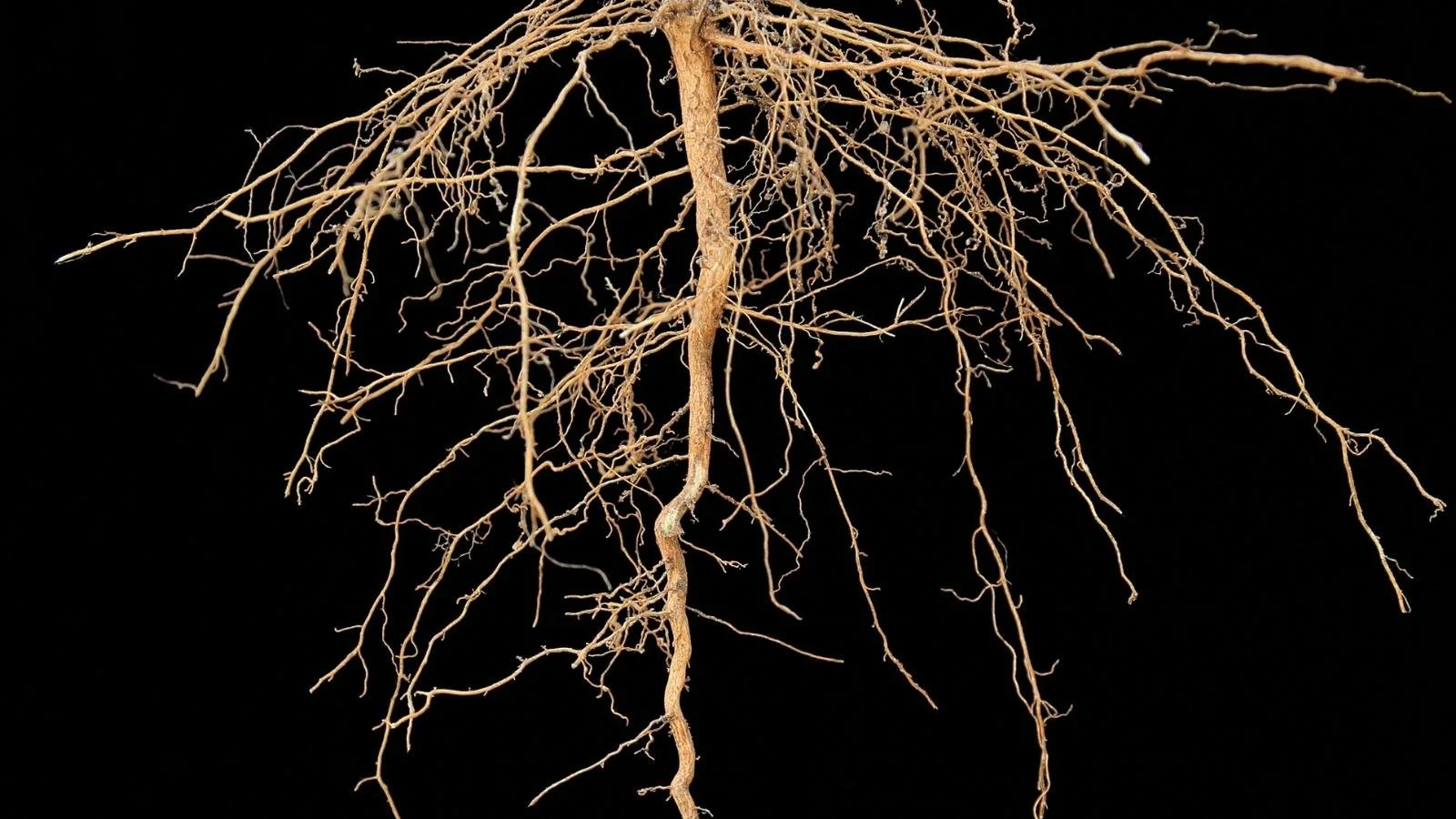
Root Development
Understanding how plants explore the soil for water and nutrients.
-

Soil Function
Understanding the environment where roots, water, nutrients and living processes interact.
-
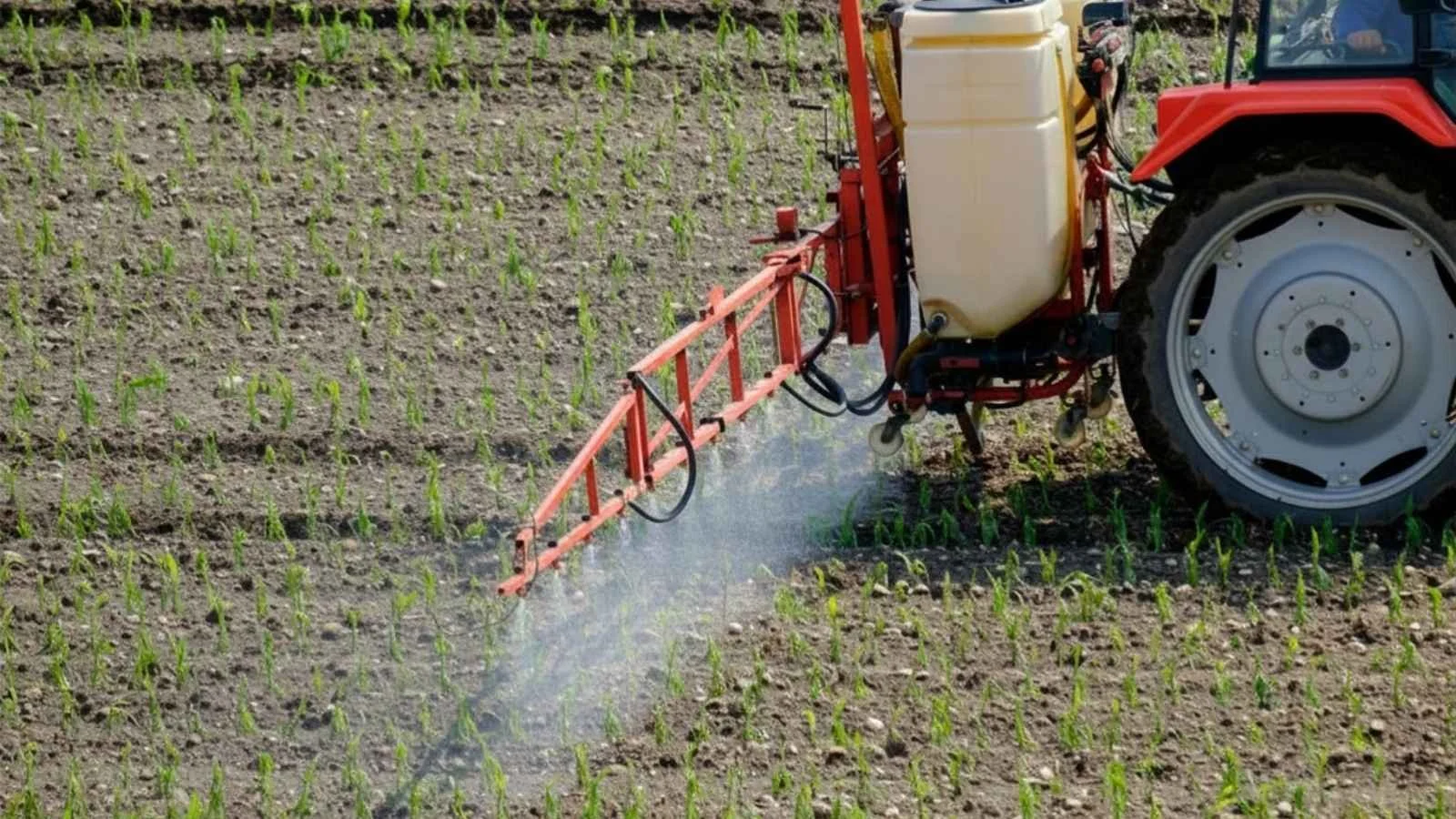
Nutrient Efficiency
Understanding how farming systems capture and use available nutrients.
-
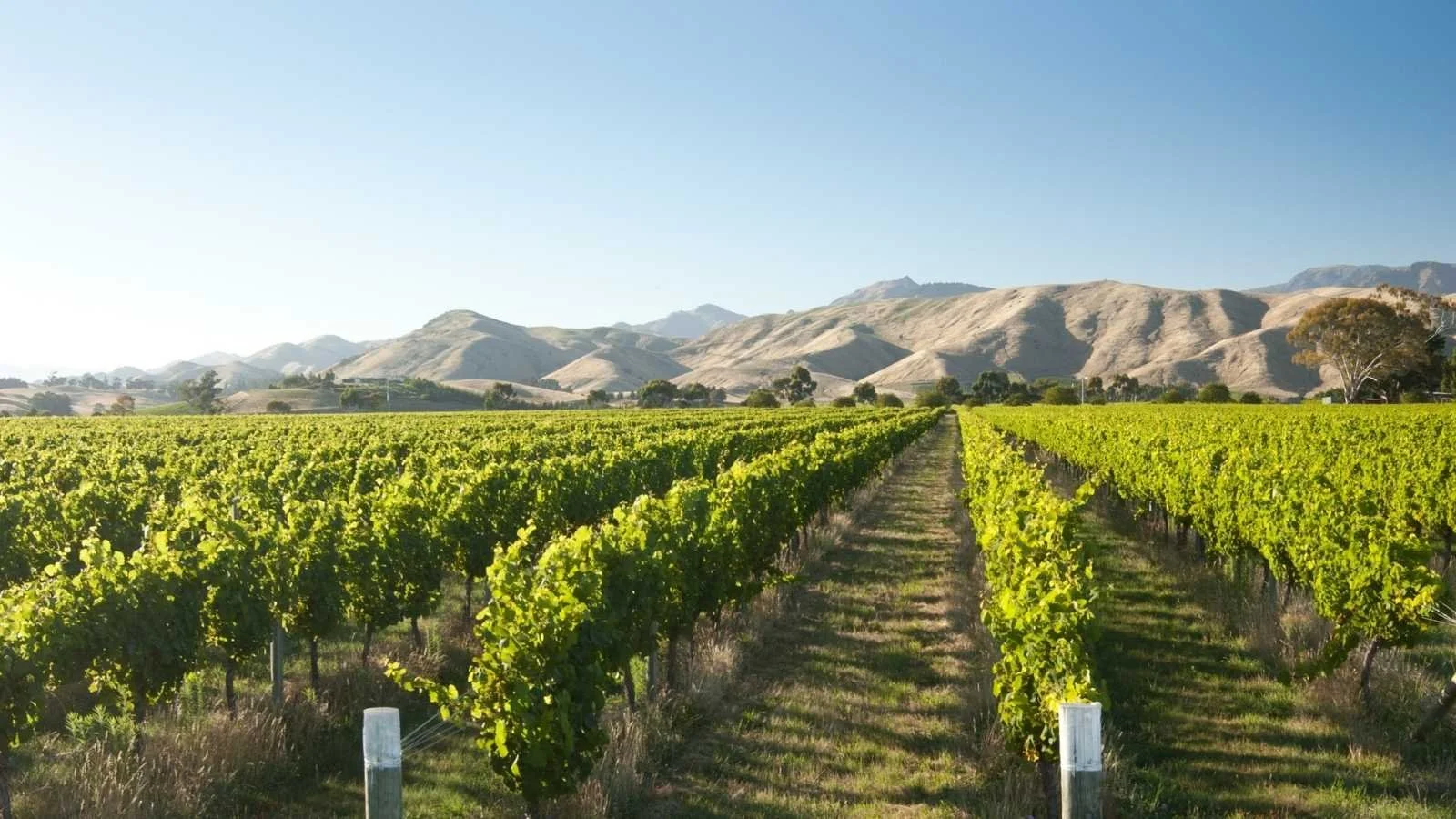
Plant Performance
Understanding how plants convert available resources into productive growth.
Not Sure Where to Start?
Tell us what you're applying now, what response you're getting and what you've noticed on the farm. We'll help you work out the most appropriate place to start.