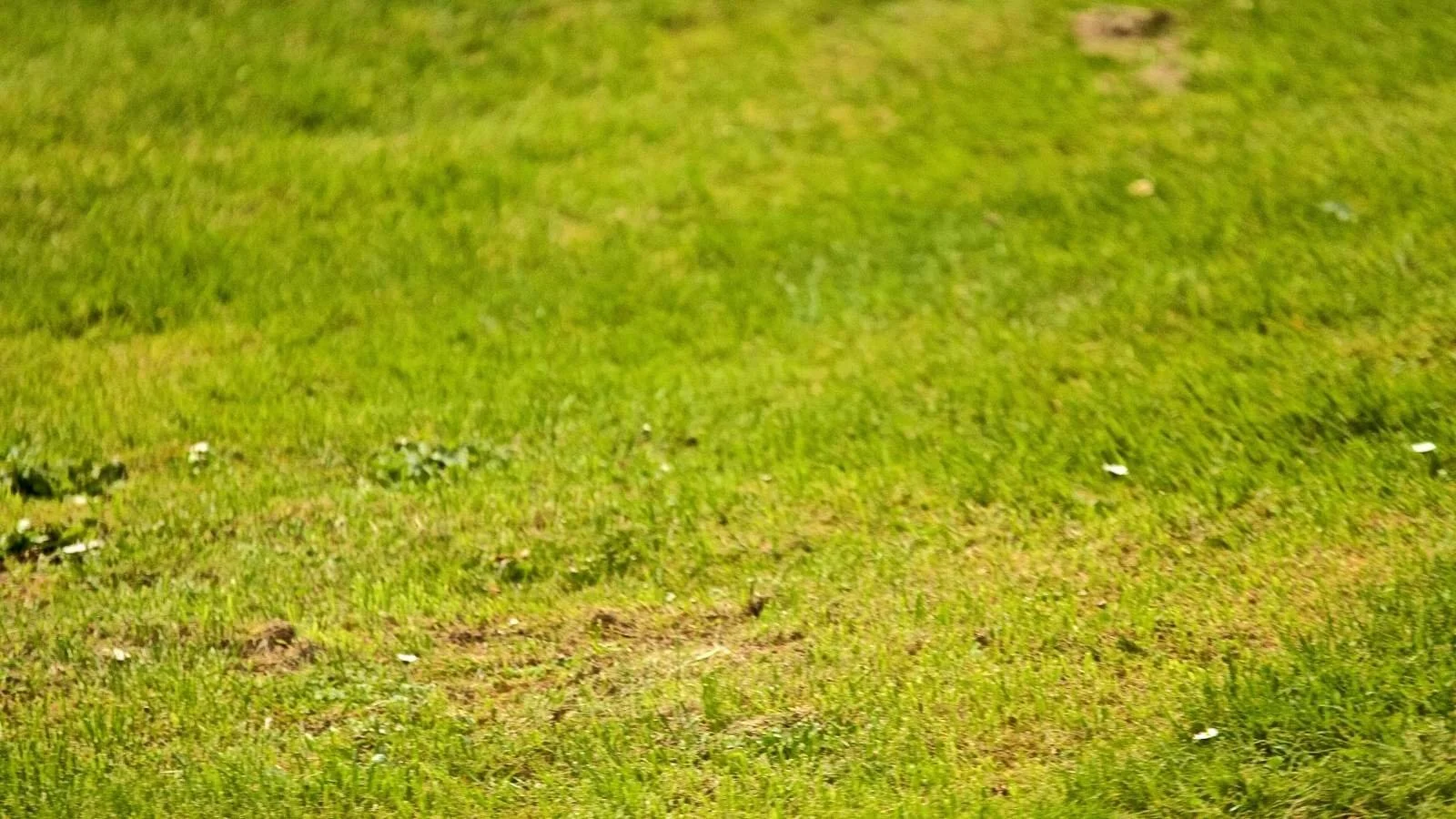
Why Is My Pasture Slow to Recover After Grazing?
Why some pasture seems ready to go again quickly while other paddocks take longer and longer to come back.
You know what a good recovery looks like.
The paddock is grazed.
For a few days, not much seems to happen.
Then the green starts coming back.
Leaf area builds.
The paddock fills in.
Before long, it looks ready to become useful feed again.
But sometimes the recovery seems to drag.
The pasture stays short for longer.
Bare ground remains visible.
One paddock is moving while another grazed around the same time still looks as though the animals have only just left it.
Perhaps you've added nitrogen.
Perhaps moisture is there.
Perhaps temperatures seem reasonable.
Yet the paddock simply isn't coming back with the speed you expected.
Naturally, we start looking for what is missing.
Does it need nitrogen?
Has it run out of moisture?
Is the pasture getting old?
Should it be renewed?
Those can all be legitimate questions.
But before deciding what the pasture needs, there is a more useful place to start.
What actually has to happen between one grazing and the next?
Because grazing doesn't simply remove feed.
For the plant, it starts a rebuilding job.
After Grazing, the Plant Has to Rebuild Its Working Surface
Before animals enter a paddock, the plant has leaves capturing sunlight.
Then much of that leaf area disappears.
That is the point of grazing.
But it also changes the plant's immediate ability to grow.
Green leaves are the plant's energy-capturing surface.
Through photosynthesis, they capture light and turn it into the energy and carbon compounds required to build new plant tissue.
After grazing, the plant has less of that surface available.
So recovery begins with what remains.
The residual green leaf.
The growing points that have survived.
The tillers making up the pasture.
And the plant's internal reserves and access to resources below ground.
New leaf begins to emerge.
As leaf area increases, the plant's capacity to capture light increases with it.
More leaf supports more growth.
The pasture begins rebuilding the very machinery it needs to grow faster.
That helps explain something farmers see all the time.
Pasture recovery isn't necessarily a straight line.
The first part can be relatively slow.
Then, as more functional leaf area develops, growth can gather pace.
Which means the condition we leave the plant in matters.
How Much Plant Did We Leave Behind?
Two paddocks can both look “grazed” while the plants within them have been left in very different positions.
One has an even residual with enough functioning plant material to begin rebuilding.
Another has been grazed harder.
Perhaps animals stayed longer.
Perhaps feed demand was high.
Perhaps the paddock was already short when they entered.
Perhaps it was grazed again before it had fully recovered from the previous round.
The difference may look small when the animals leave.
But the next grazing has already begun.
Because the plant now has to rebuild from what remains.
This doesn't mean pasture should simply be left longer or higher in every situation.
Grazing management is a balance between utilisation, pasture quality and future growth.
But it does mean that what happens at one grazing can influence what is available at the next.
And that becomes particularly important when slow recovery isn't a one-off event.
One Slow Recovery May Be Weather. Repeated Slow Recovery Is a Clue.
A cold week can slow pasture.
So can dry conditions.
So can heat.
If an entire farm slows at the same time, the explanation may be sitting in the weather record.
But suppose the pattern isn't uniform.
One paddock repeatedly takes longer to return.
Or perhaps a paddock that used to recover well is gradually becoming less reliable.
Now we have something more useful to investigate.
Because the plants are experiencing broadly the same season.
So what is different about this paddock?
Start with its recent history.
How often has it been grazed?
How hard?
Has it repeatedly been asked to produce another grazing before it had properly rebuilt from the previous one?
That matters because a pasture isn't one permanent plant.
It is a population.
The Pasture You See Is a Population of Tillers
Look closely at a ryegrass pasture and what appears from a distance to be one continuous green surface is actually made up of enormous numbers of individual shoots called tillers.
Those tillers don't live forever.
Old ones die.
New ones need to replace them.
That continuing turnover is part of how a dense, productive pasture maintains itself.
Grazing affects that population.
Timing affects it.
Intensity affects it.
Season affects it.
And repeated stress can change the balance between tillers being produced and tillers being lost.
So when a pasture becomes slower to recover, don't only look at the height of the grass.
Look at its density.
Can you see soil between plants where you couldn't before?
Is the base of the pasture becoming more open?
Are there fewer vigorous ryegrass tillers occupying the space?
Are weeds or less productive species beginning to appear in the gaps?
Those aren't simply cosmetic differences.
They change the pasture's starting point after every grazing.
A dense population has many growing points rebuilding leaf.
A thinner pasture is trying to cover the same ground with fewer productive plants.
Suddenly “slow recovery” may not simply mean the existing grass is growing slowly.
There may be less productive pasture there to do the recovering.
And that leads to another question.
Why is that population struggling?
Sometimes the Rotation Is Only Part of the Story
If a paddock is repeatedly grazed too hard or too soon, changing grazing management may be exactly what it needs.
But suppose the rotation looks reasonable.
Residuals aren't obviously different.
Other paddocks under the same management recover better.
Now blaming grazing alone becomes less satisfying.
The plants still need several things to rebuild.
They need light.
Suitable temperature.
Water.
Nutrients.
And roots capable of accessing what the soil can provide.
If one of those becomes limiting, the recovery you see above ground can slow even when the grazing decision itself looked right.
That is why a poor-performing pasture shouldn't automatically be treated as a seed problem or a grazing problem.
The plant may be telling you something about the environment it is trying to recover in.
The Next Grazing Is Being Built Below Ground Too
After grazing, our attention naturally stays above the soil.
We're watching leaves return.
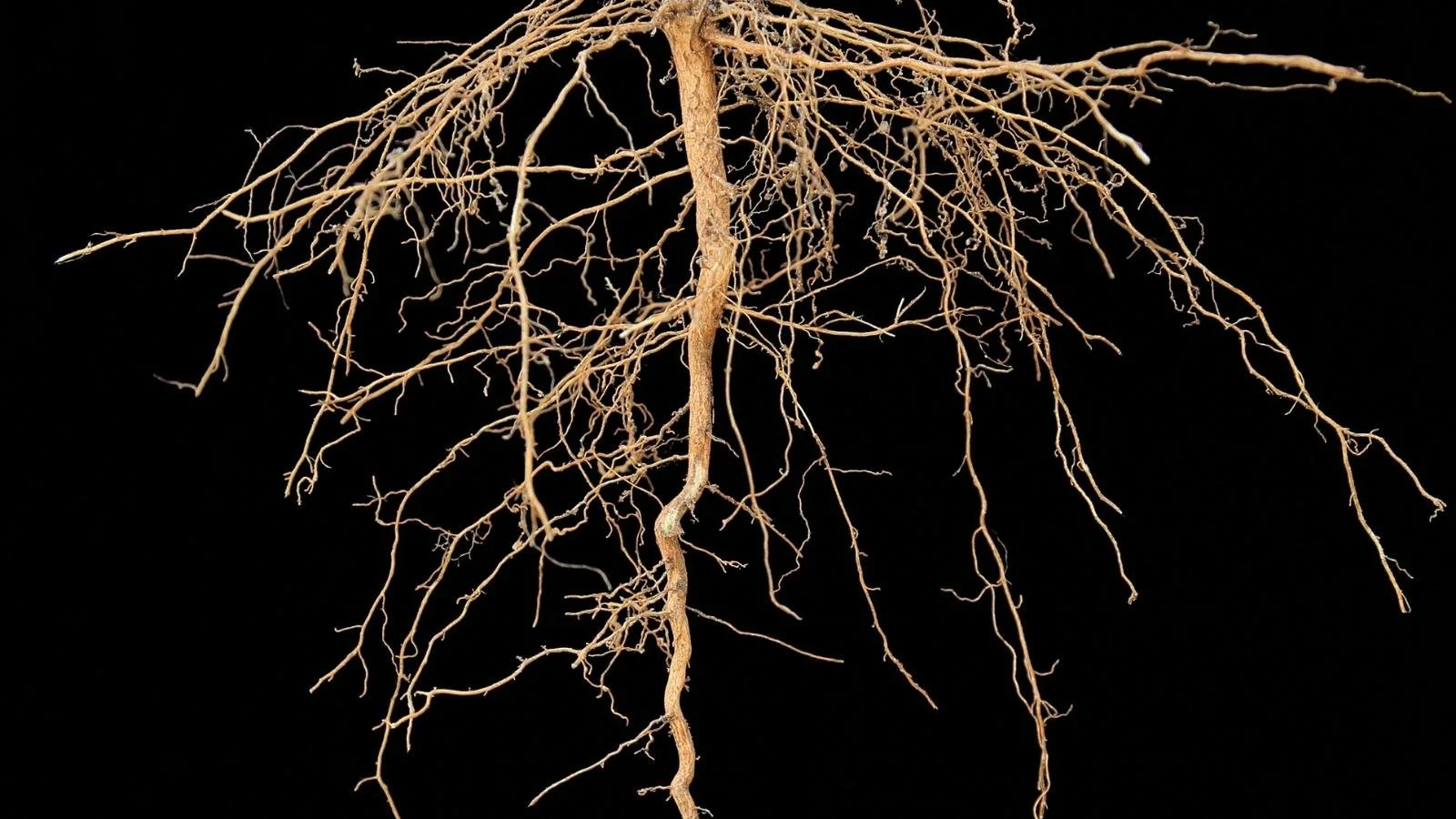
But those leaves are connected to a root system.
And that root system determines how much of the soil the plant can explore for moisture and nutrients.
Dig two plants from different paddocks and the difference can be revealing.
In one, roots may extend through a useful depth of soil.
In another, they may be concentrated close to the surface.
They may encounter a dense layer and turn sideways.
The soil may be poorly drained or damaged by pugging or compaction.
Now both plants are being asked to rebuild leaf.
But they aren't necessarily rebuilding with the same access to resources.
One can explore a larger volume of soil.
The other is operating in a smaller world.
That difference may be barely visible immediately after grazing.
It becomes much more obvious during recovery.
Recovery Can Expose Problems That Were Already There
This is an important shift.
Slow recovery doesn't necessarily begin when the animals leave the paddock.
Grazing may simply reveal a limitation that was already developing.
Perhaps the pasture has become thinner.
Perhaps roots are restricted.
Perhaps fertility, moisture, drainage, pugging or pest pressure is limiting performance.
Before grazing, standing pasture can disguise those differences.
After grazing, much of that canopy is removed.
Now the pasture has to prove how effectively it can rebuild it.
That's why recovery can be such a useful diagnostic window.
It shows you what the pasture can do when it has to start producing again.
And it explains why simply adding something to a slow paddock doesn't always solve the mystery.
So Does Slow Pasture Need More Nitrogen?
Sometimes it does.
If nitrogen is limiting growth and the other conditions are suitable, nitrogen can increase pasture growth.
But if the limitation lies elsewhere, more nitrogen doesn't automatically remove it.
The same applies to pasture renewal.
New seed can be the right decision when a pasture has genuinely deteriorated.
But replacing the plants without understanding why the previous pasture declined can leave the new pasture facing the same problem.
So before asking:
“What should I put on this paddock?”
there is a better question:
“What is preventing this pasture from rebuilding efficiently after grazing?”
That question gives us somewhere useful to look.
The Best Paddock May Give You the Answer
Find a paddock that consistently comes back well.
Not necessarily the newest pasture.
Just one that seems to recover reliably.
Then compare it with the slow one.
Were they grazed at similar stages?
Were the residuals similar?
How dense is the pasture?
How much bare ground can you see?
Dig some plants.
Compare the roots.
Look for signs of pugging or compaction.
Think about where water sits after rain and which paddock dries first when rainfall stops.
Check fertility and consider pests where appropriate.
You're not trying to prove that one factor explains everything.
You're looking for the first meaningful difference.
Because if two paddocks under broadly similar management recover differently, the contrast is evidence.
It tells you where to investigate next.
What Actually Determines How Quickly Pasture Recovers?
By now, the answer is clearer.
Recovery isn't determined simply by how many days have passed since the animals left.
It depends on what the plant was left with, how strong and dense the pasture is, and whether its roots and growing environment can supply what it needs to rebuild.
That is why two paddocks grazed at roughly the same time can recover very differently.
And it's why a paddock can become slower to come back even when the rotation itself hasn't obviously changed.
The grazing event starts the recovery.
The condition of the pasture determines how well that rebuilding job can happen.
Once we see that, the opportunity changes too.
What If Better Recovery Starts Before the Grazing Happens?
Some of the most valuable improvements may happen before slow recovery becomes visible.
Maintain a stronger tiller population and there are more productive shoots available to regrow.
Maintain a more extensive root system and the plant has access to a larger volume of soil.
Maintain a soil environment that supports those roots and the plant has a better opportunity to access water and nutrients.
Manage grazing so plants have sufficient opportunity to rebuild and the next recovery starts from a stronger position.
These processes connect.
Improving an important underlying process can therefore influence more than one outcome.
That's the leverage.
Not because there is one universal cause of slow pasture recovery.
And not because one intervention overrides grazing management, fertility, rainfall, pests or everything else happening on the farm.
But because a plant that is better equipped to recover has a better opportunity to turn the resources available to it into productive growth.
And that's where DCT enters this story.
Now You Understand Why Our Products Exist
DCT didn't begin with the idea that farmers needed another product to make grass grow.
We began with a different question:
How can we improve key processes within the farming system so the system as a whole has a better opportunity to perform efficiently?
For more than twenty years, that question has shaped how we've looked at soils, roots, nutrients and plants.
It's shaped our field observations, the research we've followed and the products we've developed.
Our products aren't designed to replace good grazing management, fertiliser programmes, soil testing, drainage, pasture renewal or sound agronomic advice.
They're designed to support key underlying processes that influence how effectively the farming system performs.
And pasture recovery is a good example of why that matters.
Because what appears above ground after grazing is connected to what is happening underneath it.
Root development.
The soil environment.
Water and nutrient access.
The plant's ability to turn those resources into new growth.
Depending on your farming system, what you're already applying and what you're trying to improve, there are different ways to begin.
One Question to Take Into the Next Grazing Round
The next time you walk the farm, don't only ask which paddock has the most feed.
Look at the paddocks that were grazed at roughly the same time.
Which one started moving first?
Which one filled in most evenly?
Which one rebuilt density rather than simply producing a few taller leaves?
And which one still looks as though it is recovering?
Then ask:
“What did the faster paddock have available that the slower one didn't?”
Perhaps it had more leaf left after grazing.
Perhaps it had longer to recover.
Perhaps its tiller population was stronger.
Perhaps its roots were exploring more soil.
Perhaps moisture, fertility, drainage, compaction, pugging or pests are part of the difference.
The answer won't always be the same.
That's the point.
Slow recovery isn't one disease with one treatment. It's an observation.
And once you start using that observation to compare what is happening above and below ground, it becomes much more useful.
The question is no longer simply:
“Why isn't this grass growing back?”
It becomes:
“What is limiting this pasture's ability to rebuild after grazing?”
That's a better question to take into the paddock.
Because the speed of recovery you see after grazing is telling you something about the condition of the pasture you are asking to recover.
Want to Understand the System More Deeply?
-
Root Development
Understanding how plants explore the soil for water and nutrients.
-
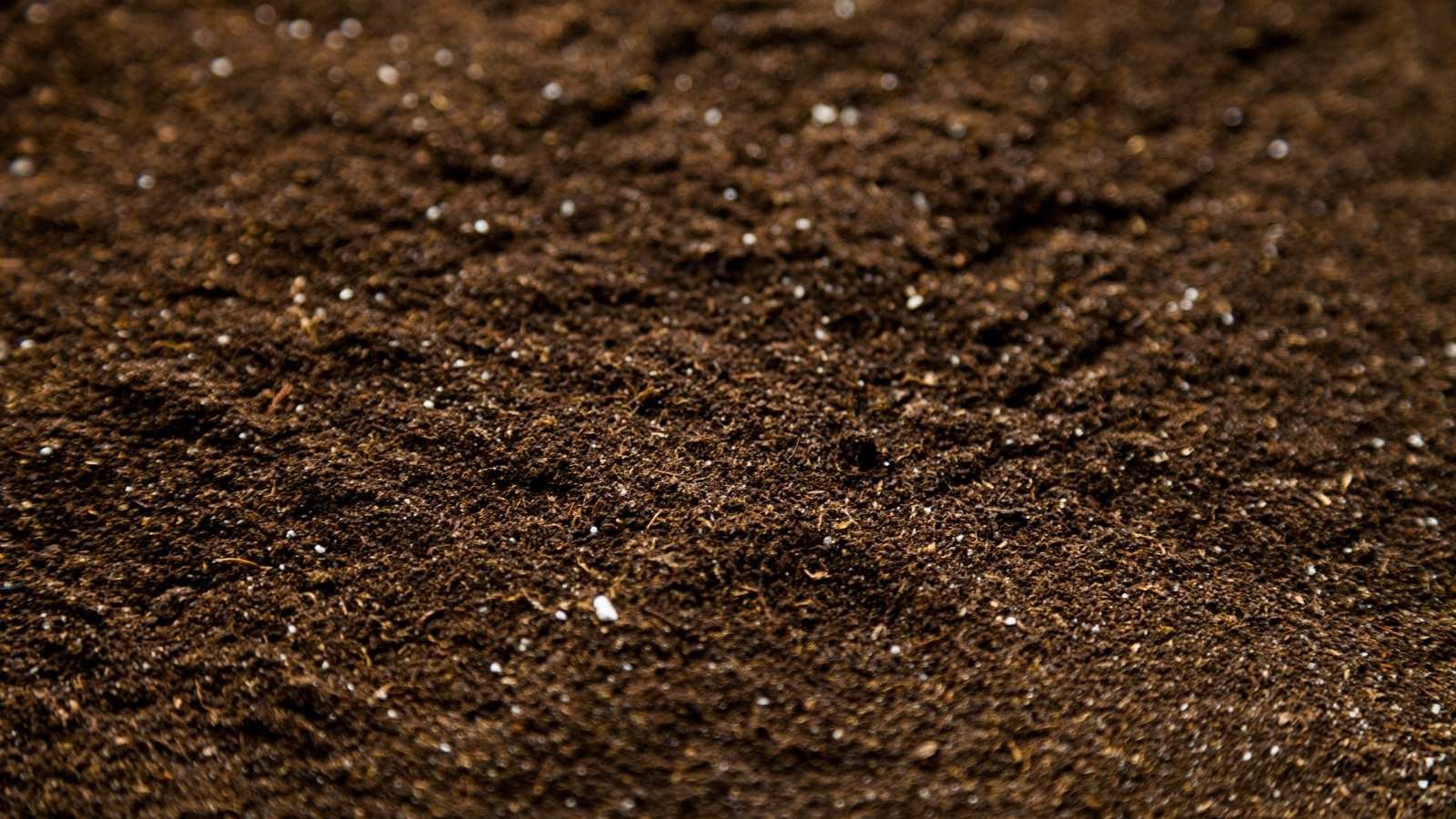
Soil Function
Understanding the environment where roots, water, nutrients and living processes interact.
-
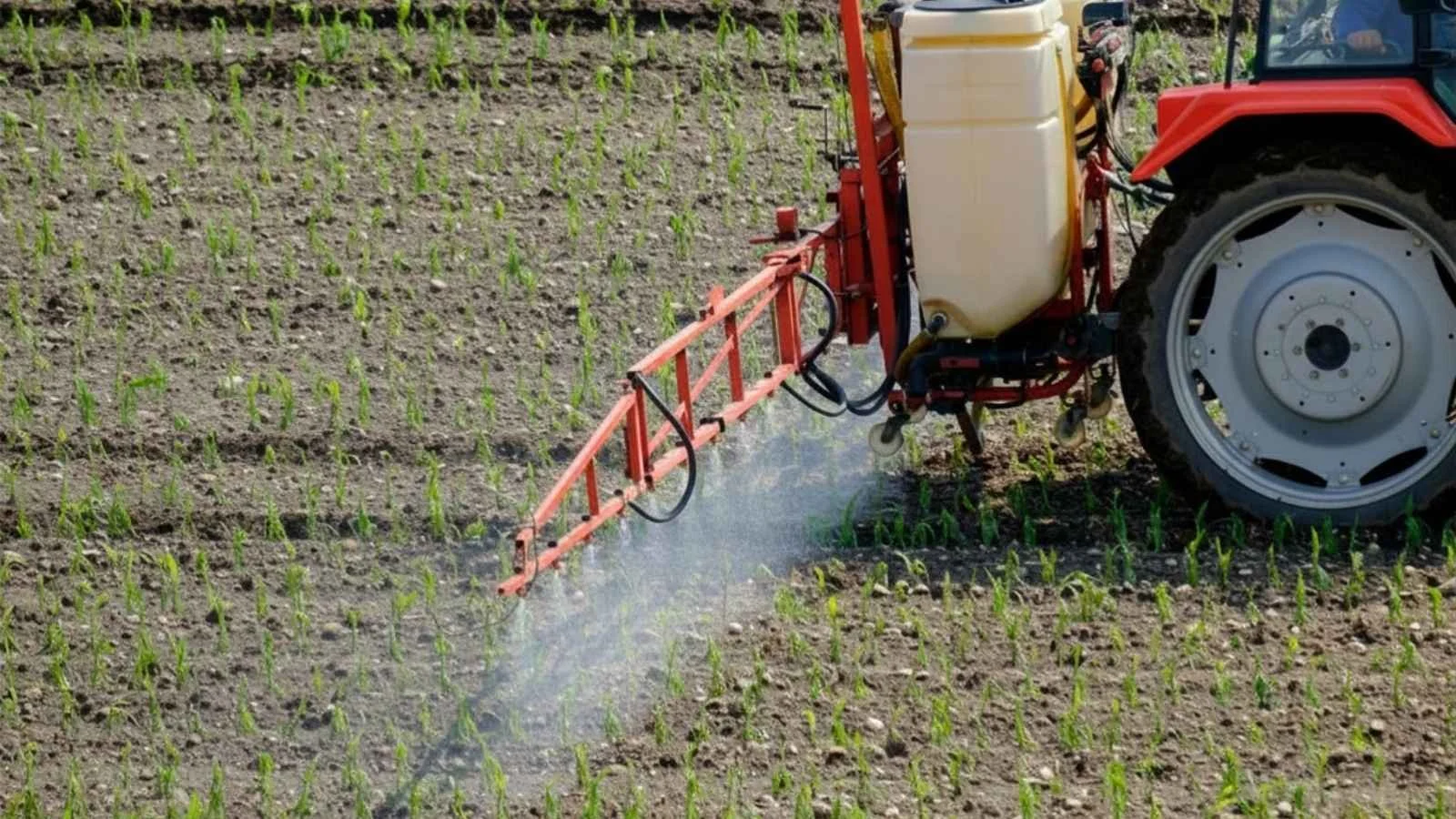
Nutrient Efficiency
Understanding how farming systems capture and use available nutrients.
-
Plant Performance
Understanding how plants convert available resources into productive growth.
Not Sure Where to Start?
Tell us what you're applying now, what response you're getting and what you've noticed on the farm. We'll help you work out the most appropriate place to start.