
Can I Reduce Fertiliser Costs Without Losing Production?
Why lowering the fertiliser bill and improving fertiliser efficiency are not necessarily the same thing.
The fertiliser programme may be working.
Production may be acceptable.
The pasture is growing. The crop is yielding. Fruit is reaching market.
But the fertiliser bill is significant enough to make you ask:
Could I spend less without giving up production?
Potentially, yes.
But the safest place to start isn't by simply applying less fertiliser.
It's by understanding how much useful production you're getting from the fertiliser you're already applying — and whether something else in the system is limiting the value you get from it.
Because there is an obvious way to make the fertiliser bill smaller:
Apply less fertiliser.
And that's also where the risk sits.
If reducing an input saves $30 per hectare but causes more than $30 per hectare in lost production value, nothing has been gained.
So before asking how much fertiliser can come out of the programme, there is a more useful question:
How much useful production am I getting from the fertiliser I'm already applying?
That shifts the investigation from cost cutting to efficiency.
And those are not the same thing.
The Cheapest Fertiliser Programme Isn't Necessarily the Most Profitable One
Imagine two fertiliser programmes.
One costs less.
The other costs more.
Which is better?
You cannot tell from the fertiliser invoice.
If the additional expenditure produces enough commercially useful output to justify the cost, the more expensive programme may be the better investment.
If it doesn't, the additional input deserves investigation.
And “useful output” means different things in different systems.
It might be pasture dry matter that is actually utilised.
Crop yield or quality.
Marketable fruit.
Packout.
Or another measure that genuinely contributes to the productive and financial performance of the business.
So the question isn't simply:
“What does my fertiliser programme cost?”
It is:
“What value is the farming or growing system generating from that investment?”
That's a much more useful number.
The Same Fertiliser Dollar Doesn't Always Buy the Same Response
Look across a farming or growing operation and fertiliser response is rarely perfectly uniform.
One paddock responds strongly.
Another disappoints.
One crop performs well under a particular programme.
Another season produces a different result.
One block consistently turns its inputs into useful production more effectively than another.
Those differences matter because fertiliser supplies nutrients.
It doesn't control everything required to turn those nutrients into productive output.
The nutrient needs to be required.
Timing needs to make sense.
Plant demand matters.
Moisture can matter.
So can nutrient availability, root development, effective rooting volume, soil condition and other factors limiting growth or crop development.
There are also pathways by which nutrients can become unavailable to the plant or be lost from the productive system.
So when response varies, don't immediately conclude that fertiliser rates should be lower.
Use the variation as evidence.
Why is the same — or similar — investment generating more value here than there?
Start With What the Fertiliser Is Actually Producing
Fertiliser programmes can become familiar.
A programme works, so it continues.
Rates are adjusted.
Seasons change.
Costs change.
Production changes.
Eventually it can become difficult to separate what is being applied from what that application is actually contributing.
Measurement helps reconnect the two.
In pasture, that might mean understanding the additional dry matter associated with an application and how much of that pasture is actually utilised.
In cropping, the commercially useful response may be yield and quality.
In orchards, horticulture or viticulture, marketable yield, fruit quality, consistency or packout may matter more than simply producing more vegetative growth.
The measure changes.
The principle doesn't.
What useful production is the input helping the system create?
And when you compare a strong response with a weaker one, you can begin asking what is limiting the difference.
That's where efficiency becomes something you can investigate rather than simply assume.
But Not Every Valuable Fertiliser Application Creates an Immediate Visible Lift
There is an important caution here.
Fertiliser isn't only applied to produce an obvious short-term growth response.
Nutrients leave farming and growing systems in harvested crops, fruit, milk, meat and other outputs.
Appropriate nutrient inputs may therefore be required to maintain soil fertility and replace nutrient removal.
That's why a decision about reducing fertiliser cannot responsibly be based on visual response alone.
Soil testing, plant testing where appropriate, nutrient budgeting, production records and sound agronomic advice all have a place.
They help answer two different questions:
Does the system require this nutrient?
And:
How effectively is the system using the nutrient being supplied?
Responsible fertiliser savings begin with understanding those questions.
Not subtraction.
Small Changes Can Become Meaningful Across a Whole Operation
This is where the economics become tangible.
Consider some illustrative arithmetic only.
Suppose a fertiliser programme costs:
$300/ha/year
A change equivalent to:
5% = $15/ha
10% = $30/ha
15% = $45/ha
Across a hypothetical 150 hectares, those amounts become:
5% = $2,250
10% = $4,500
15% = $6,750
These figures are not predicted DCT savings or recommended fertiliser reductions.
They're simply arithmetic showing why relatively small changes can become financially meaningful across a productive area.
But now look at the other side of the ledger.
If saving $30/ha in fertiliser results in more than $30/ha of lost production value, the cheaper programme hasn't improved profitability.
That's the crucial distinction.
A saving only creates value if you don't lose more somewhere else.
And the reverse matters too.
A fertiliser programme doesn't necessarily need to become cheaper for its economics to improve.
If the same expenditure contributes to more useful production, the return from that expenditure has improved.
What Can Improved Utilisation Look Like?
One historical DCT farm example helps illustrate the principle.
In the case study, milk solids increased from:
297 → 312 kgMS/ha
using the same amount of grass.
That was recorded as a:
4.9% improvement in utilisation
The difference in milk production was:
15 kgMS/ha
The financial arithmetic is straightforward:
15 kgMS/ha × milk price = additional gross milk revenue per hectare
For example, at an illustrative milk price of $9/kgMS:
15 × $9 = $135/ha
Across a hypothetical 150 hectares:
$20,250 of additional gross milk revenue
That is illustrative arithmetic applied to a historical production difference not a prediction of what DCT will produce on another farm.
Different farms, soils, seasons, management systems and starting conditions can produce very different outcomes.
The important point is the scale.
A 4.9% change doesn't sound dramatic.
But a relatively small improvement in how effectively existing production is utilised can become financially meaningful when it operates across hectares and a season.
And no fertiliser reduction is required for that principle to matter.
The Financial Effect Can Appear Somewhere Else Too
There is another reason to look beyond the fertiliser invoice.
In a separate historical DCT dairy case study, reported animal-health costs fell from approximately:
$90 → $48 per cow
The farmers attributed the improvement to a combination of better-quality feed and better management.
This does not mean DCT will reduce another farm's animal-health costs, and animal-health expenditure isn't a measure of fertiliser efficiency.
It illustrates something broader.
Financial improvement within a farming or growing system can appear in different places.
It might come from:
lower input expenditure
more useful production from existing resources
improved utilisation
greater marketable yield or quality
improved consistency
reduced waste
lower associated operating costs
Sometimes several relatively small changes can matter more than one spectacular result.
That's why whole-system efficiency cannot be judged from one invoice.
Sometimes the Opportunity Isn't to Apply Less
Now return to the fertiliser question.
If one area is producing more useful output from broadly similar inputs, don't immediately ask how much fertiliser can be removed from the better-performing area.
Ask:
“What is allowing this part of the system to create more value from the resources available to it?”
Perhaps the nutrient programme is better matched to actual demand.
Perhaps timing is better.
Perhaps water availability is different.
Perhaps roots are exploring a larger volume of soil.
Perhaps soil condition is allowing those roots to function more effectively.
Perhaps nutrients are being accessed and utilised more effectively.
Or perhaps management is allowing more of the production already being grown to become commercially useful output.
These aren't side issues.
They are part of what determines the return generated from the fertiliser investment.
Find the limiting difference, improve it where appropriate, then measure again.
Because if the wider system becomes better at turning available nutrients and resources into useful production, the economics of the existing fertiliser programme may change before the fertiliser rate does.
And that's where this investigation starts to connect with DCT.
So, Can You Reduce Fertiliser Costs Without Losing Production?
Potentially, yes.
But there is no responsible percentage that can simply be applied across every farm, crop, orchard or vineyard.
The opportunity depends on what the existing fertiliser programme is doing, what nutrients the system actually requires, where efficiency may be limited and what happens when those limitations are addressed.
The responsible sequence is:
Measure.
Compare.
Understand what's limiting the response.
Improve efficiency where appropriate.
Measure again.
Then reassess the input.
Sometimes the evidence may support a different fertiliser programme.
Sometimes it may show that the existing nutrient input remains justified.
And sometimes the better economic opportunity may be generating more useful production or greater value from the same fertiliser expenditure.
So the answer isn't simply:
Use less fertiliser.
It's:
Understand the return from what you're already using before deciding what you can change.
And if part of the limitation lies in soil condition, root development, nutrient utilisation or plant performance, improving those processes may create an opportunity to improve the value generated from the existing investment.
That is where DCT may be able to help.
Now You Understand Why Our Products Exist
DCT isn't against fertiliser.
Appropriate nutrient inputs remain an important part of productive farming and growing systems.
But this investigation has revealed something important:
The return from fertiliser doesn't depend only on how much is applied.
It also depends on how effectively the wider soil, root, nutrient and plant system can turn those inputs — and the resources already present — into useful production.
And that is where DCT may be able to help.
For more than twenty years, DCT has worked with farmers and growers around the processes that sit behind productive efficiency, including:
soil condition
root development
nutrient utilisation
plant performance
Our products are designed to support these processes within existing farming and growing systems.
The objective isn't simply to use less fertiliser.
It's to give the system a better opportunity to make effective use of the nutrients and resources already available to it.
Where underlying processes are limiting efficiency, improving them may create an opportunity to:
generate more useful production from existing inputs
improve the return from fertiliser expenditure
improve consistency within the farming or growing system
or, where the measured response supports it, reconsider future input requirements
But the sequence matters.
DCT products don't replace fertiliser, soil or plant testing, nutrient budgeting, agronomic advice, irrigation, grazing management, crop management or appropriate nutrient planning.
Improve the underlying efficiency where appropriate. Measure the response. Then decide what the fertiliser programme should be.
Not the other way around.
One Question to Take Back to Your Fertiliser Programme
Before asking what you can remove from the next fertiliser programme, find somewhere the existing programme appears to be working particularly well.
Then compare it with somewhere the response is less convincing.
What useful production is coming back?
Is the nutrient actually required?
What else may be limiting the response?
Are roots, moisture, soil condition or plant performance changing the opportunity to use what is applied?
And most importantly:
What can you actually measure?
Then come back to the question:
“How much useful production am I getting from the fertiliser I'm already applying?”
Because the objective isn't simply a smaller fertiliser bill.
It's a farming or growing system that creates as much useful value as reasonably possible from the resources invested in it.
Potentially, that may eventually mean spending less on fertiliser without losing production.
But you don't begin with the reduction.
Measure. Compare. Understand. Improve the efficiency. Measure again. Then decide what the input should be.
Want to Understand the System More Deeply?
-
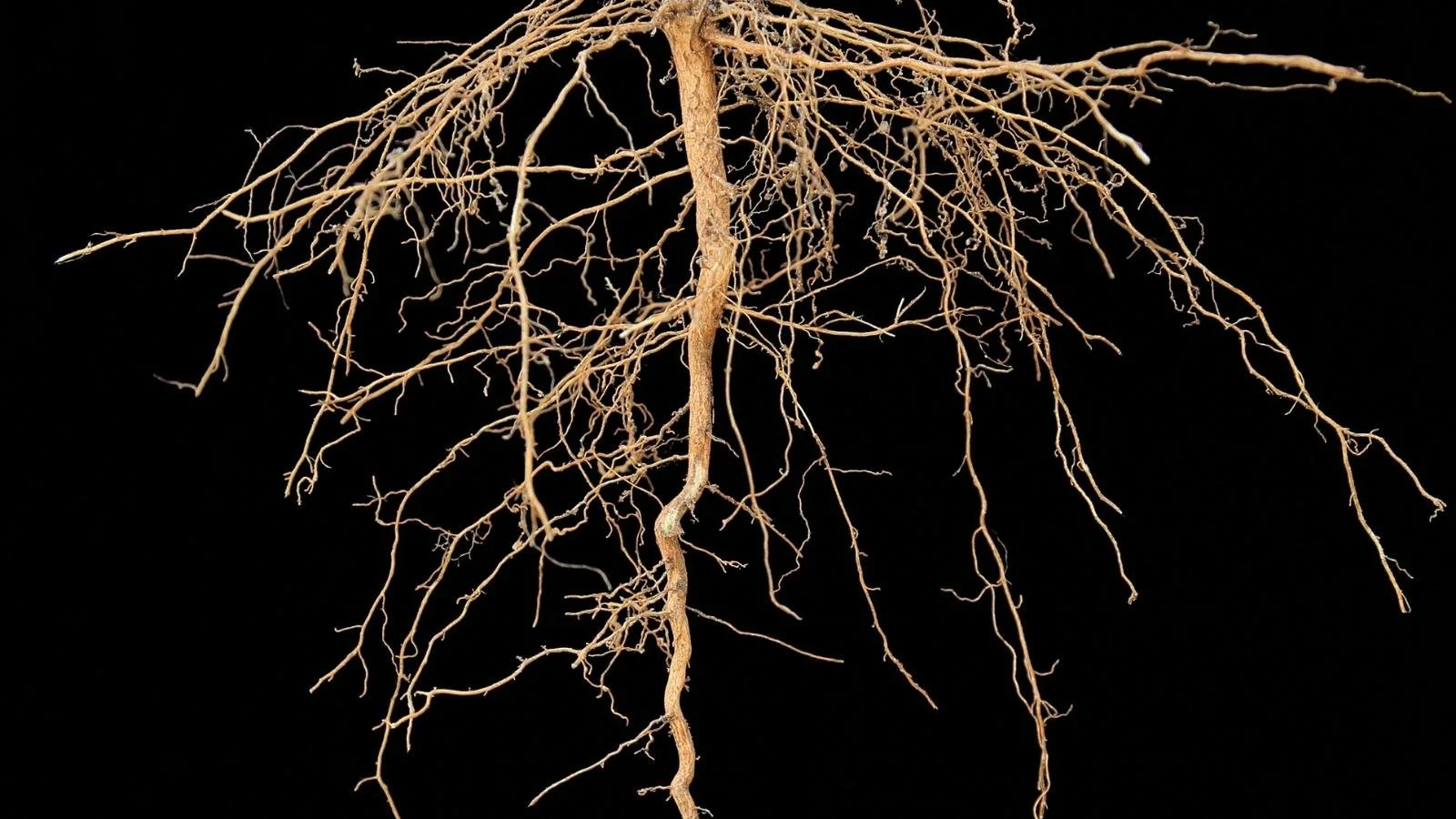
Root Development
Understanding how plants explore the soil for water and nutrients.
-
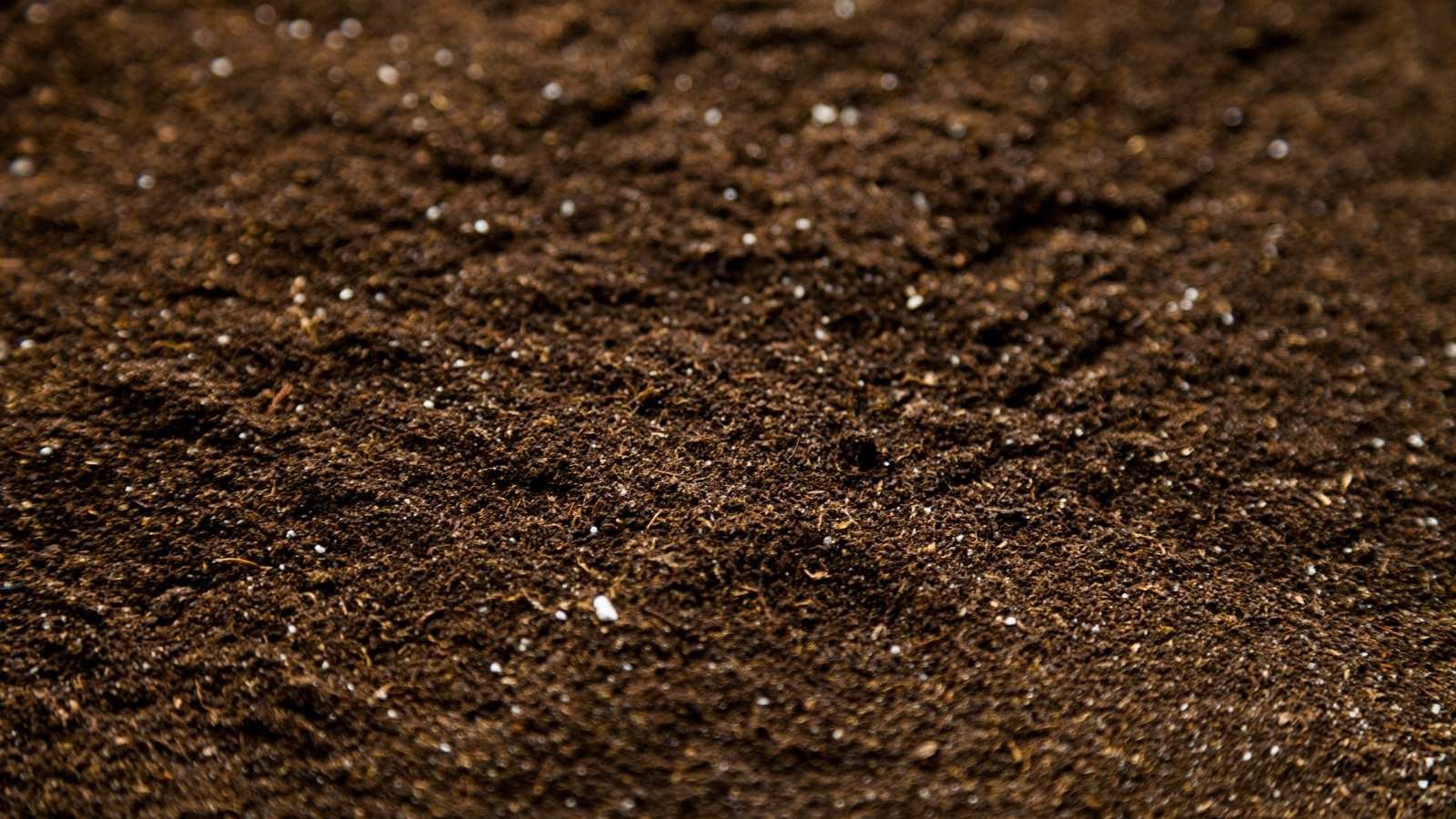
Soil Function
Understanding the environment where roots, water, nutrients and living processes interact.
-
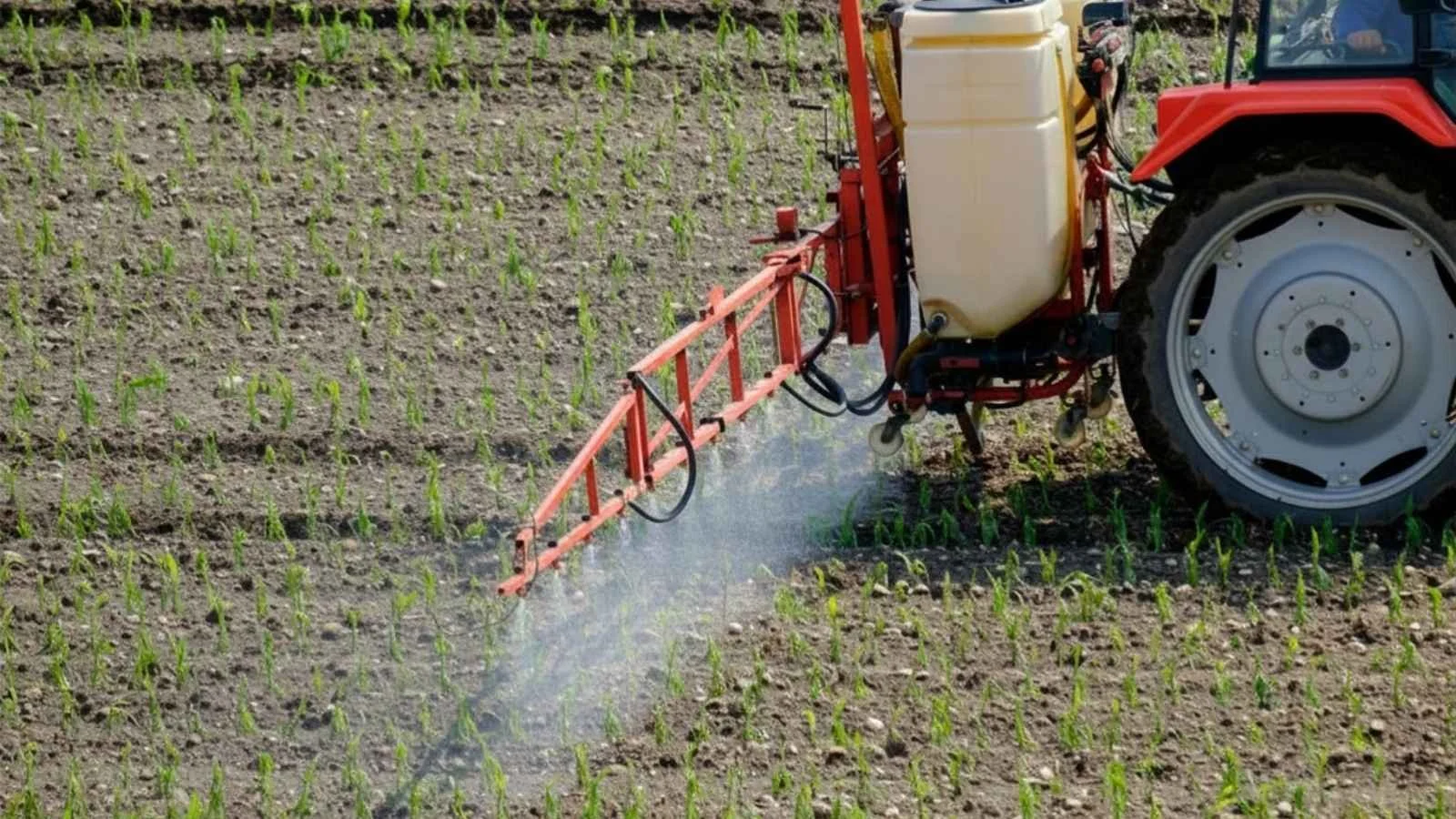
Nutrient Efficiency
Understanding how farming systems capture and use available nutrients.
-
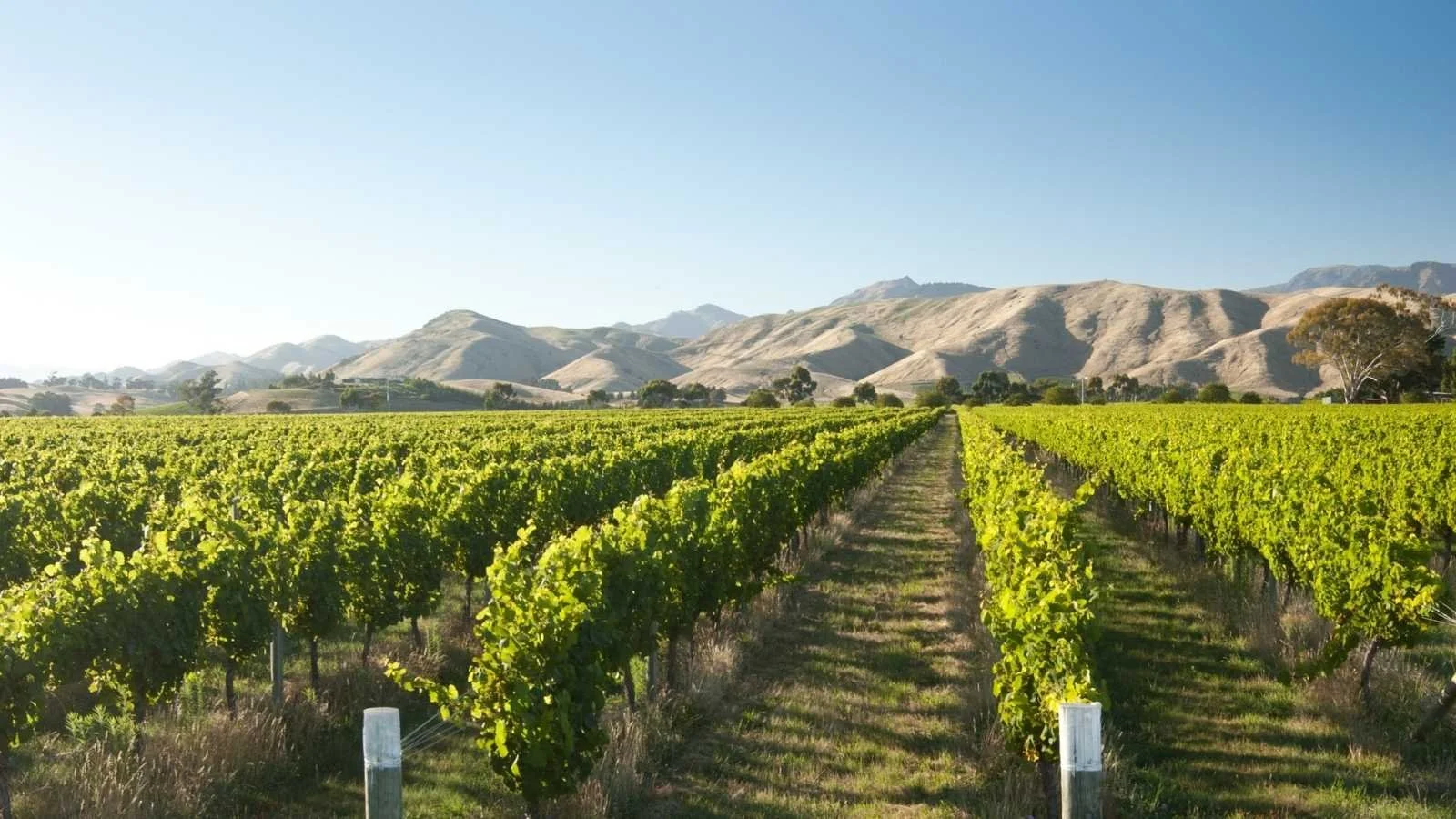
Plant Performance
Understanding how plants convert available resources into productive growth.
Not Sure Where to Start?
Tell us what you're applying now, what response you're getting and what you've noticed on the farm. We'll help you work out the most appropriate place to start.