Make More of What Your Farm Is Already Paying For
DCT helps turn better root, soil, nutrient and pasture performance into production gained, more productive input use and value protected.
Every hectare carries a cost before it creates a return.
Fertiliser has been purchased. Pasture has been established. Land, machinery, water, labour and management have already been committed.
When pasture underperforms, nutrients are not fully used or feed is grown but not eaten, those costs remain.
The productive return does not.
DCT works alongside the farm’s existing fertiliser programme, nutrient plan, management and professional advice. Its purpose is to help the whole programme produce more value.
The objective is straightforward: create more productive value across the farm than the DCT programme costs to use.
DCT Must Earn Its Place on the Farm
Better roots, soil and pasture are not the final return.
They are how greater production, more effective input use and protected farm performance can become possible.
Deeper roots matter when they help pasture explore more soil for water and nutrients.
Better soil function matters when it supports pasture growth, recovery and persistence.
Improved nutrient efficiency matters when the farm receives more value from its fertiliser programme.
More pasture matters when it is eaten, conserved or converted into milk.
DCT earns its place when these improvements create greater value than the programme costs.
What Can That Return Look Like?
On one West Coast dairy farm, DCT products were used alongside the existing fertiliser and farm-management programme.
Milk-solids production increased from approximately:
96,000 kgMS
to 109,000 kgMS
and then 120,000 kgMS across three seasons
Across the same period:
Milk-solids production increased by approximately 25%
Applied nitrogen reduced by approximately 55%
Reported animal-health spending reduced from approximately $90 to $48 per cow
The farmers reported an approximately 20% improvement in net profit
The value did not appear in only one part of the farm.
It accumulated through greater production, substantially more productive output relative to nitrogen applied and lower reported animal-health spending.
The importance of this result is not that every farm should reduce nitrogen by 55%. Nitrogen remains an important tool for pasture production on many dairy farms.
The commercial significance is that the farm produced more milk solids while becoming less dependent on continually increasing nitrogen input.
The same DCT programme contributed to several connected sources of return.
These results are specific to this farm, its management and the seasons in which they occurred. They demonstrate the scale and pathways of the commercial opportunity—not a guaranteed result for another farm.
Three Ways DCT Can Create Farm Value
Production Gained
Value may come through:
More pasture grown and eaten
Additional milk solids
Longer or more consistent production
More home-grown feed available for grazing or conservation
Greater productive output from the existing milking platform
Existing Spending Made More Productive
Value may come through:
A stronger response from applied fertiliser
Better utilisation of the pasture grown
More productive use of nutrients already present in the soil
Better use of rainfall or irrigation
Improved performance from established pasture
Lower input requirements where farm performance supports that decision
The objective is not automatically to use less.
It is to receive more productive value from what the farm chooses to use.
Performance and Costs Protected
Avoiding a loss can be as valuable as creating additional production.
Value may come through:
Retaining productive pasture
Protecting pasture recovery and persistence
Maintaining grazing availability
Reducing seasonal feed deficits
Avoiding repeated corrective expenditure
Lower animal-health costs where wider farm performance improves
Maintaining more production when conditions become difficult
The return may come primarily from one area or accumulate across several connected parts of the farm.
Better Performance Repeated Across the Farm
An improvement in one paddock or during one grazing round may appear limited in isolation.
When better pasture growth, utilisation or recovery is repeated across the treated area and captured over multiple grazing rounds, the accumulated value can become substantial.
The same applies across the herd:
More pasture eaten can become additional milk production.
Better production per cow becomes significant across the herd.
A stronger response from each fertiliser application improves the value of the nutrient programme.
A recurring loss avoided can protect production throughout the season.
A per-cow cost improvement becomes a whole-farm saving.
The West Coast result shows how large the opportunity can become when several improvements work together across the farming system.
How DCT Supports the Return
DCT works through four connected foundations:
Root Development
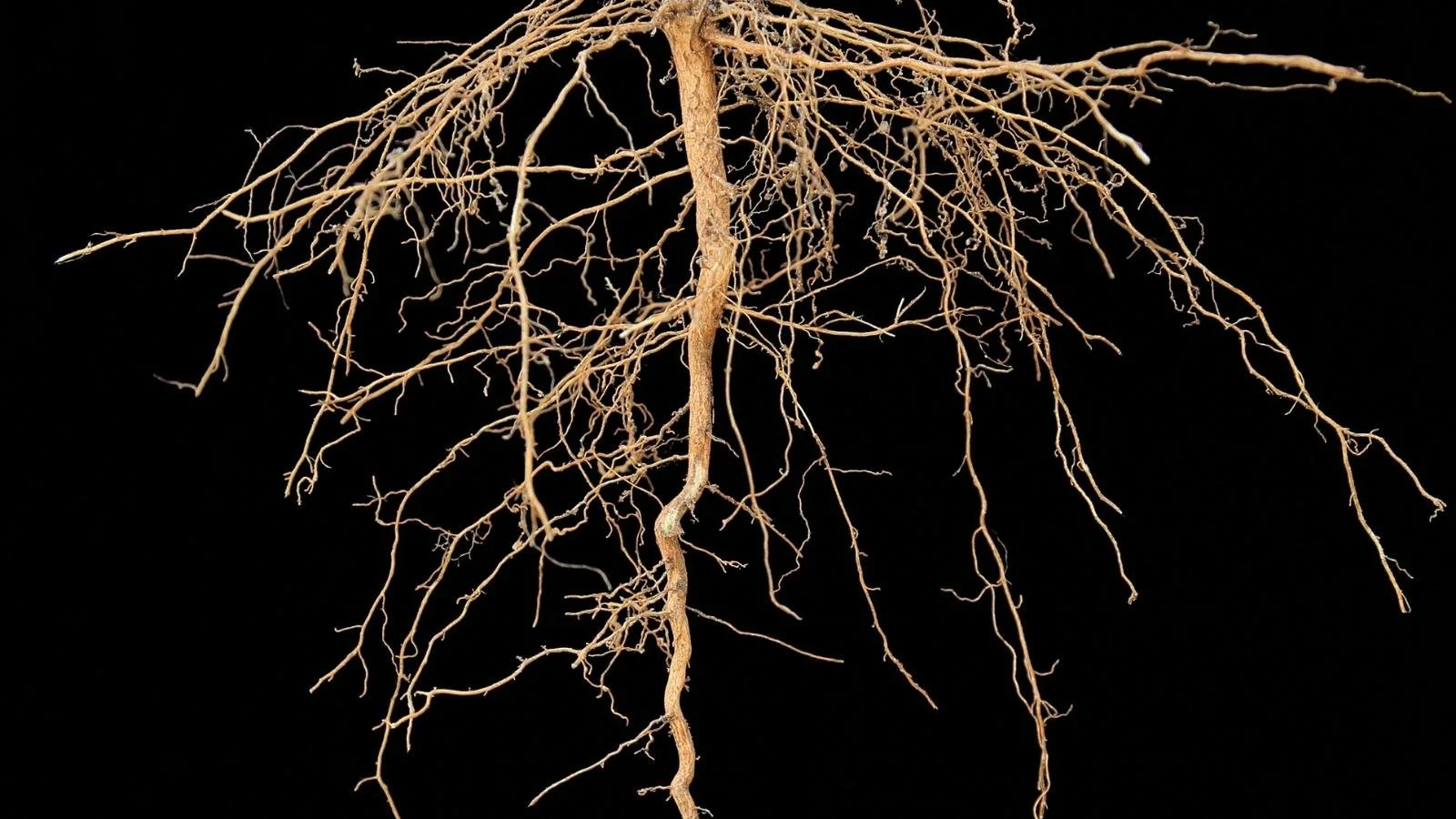
Across ten Canterbury dairy paddocks, average root depth increased from 62 mm to 105 mm.
A larger effective root zone gives pasture greater opportunity to access water and nutrients. Where this supports pasture growth, recovery or persistence, the return may appear through more home-grown feed and production protected.
Soil Function
Soil structure, nutrient movement, water behaviour and biological activity influence how effectively the pasture can use what the farm provides.
Supporting these connected processes can help create a more effective growing environment for roots and pasture.
The return may appear through more reliable growth, improved recovery, better persistence or less corrective expenditure.
Nutrient Efficiency
The commercial value of nitrogen and other nutrients depends on the productive pasture response achieved—and how much of that pasture is converted into animal production.
DCT is designed to work alongside the farm’s existing nutrient programme by supporting the soil, root and plant processes involved in creating productive pasture.
Improved nutrient efficiency may appear through:
A stronger pasture response from the nutrients applied
More of the resulting pasture being utilised
Greater milk production relative to nutrient input
More consistent performance between applications
An opportunity to adjust input levels where measured farm performance supports it
The objective is not automatically less nitrogen. It is more value from every nitrogen decision.
Plant Performance
Pasture must establish, grow, recover and remain available for grazing before it can create a financial return.
DCT supports the connected processes behind pasture performance. Where this results in more usable feed, stronger recovery or greater persistence, it can increase production and protect the value of established pasture.
Evidence of Connected Farm Value
Greater Clover Contribution
Across a Canterbury dairy assessment, average clover content increased from approximately 10% to 17%.
Based on the measured increase and the pasture-production assumptions used, the estimated biological nitrogen contribution was approximately 49 kg N/ha—the amount of nitrogen contained in approximately 106 kg of urea.
This does not automatically equal the cash value of that urea, nor does it mean purchased nitrogen should simply be removed.
The commercial return appears when the additional clover contribution supports productive feed, pasture performance, the wider nutrient programme or animal production.
Improved Pasture Utilisation
On Tristan’s New Zealand dairy farm, pasture utilisation was reported to have improved by approximately 15–17%, while annual nitrogen use reduced from around 300 to 70 kg N/ha.
Root depth also increased from less than 7 cm to more than 40 cm, with improvements reported in pasture and animal-health performance.
The importance of pasture utilisation is simple:
Growing pasture creates potential. Utilising it creates return.
More pasture eaten can increase milk production, reduce pasture waste or lower the amount of feed that must be purchased elsewhere.
These were results from Tristan’s farm under its particular management and conditions. They demonstrate another way connected improvements can become commercial value.
One Investment—Several Sources of Return
DCT does not need to create its return through one result alone.
The same programme may potentially create value through:
Additional milk production
More home-grown feed
Improved pasture utilisation
Better value from applied fertiliser
Greater clover contribution
Improved pasture recovery and persistence
Lower supplementary-feed requirements
Reduced animal-health or corrective costs
Performance protected through difficult conditions
Not every farm will realise every benefit.
DCT earns its place when the combined productive value created and losses avoided are greater than the cost of the programme.
Where Is Your Farm Losing Value?
The opportunity may be found where:
Fertiliser is producing less pasture response than expected
Pasture is growing but not being fully utilised
Feed deficits are increasing purchased-feed costs
Shallow roots are limiting recovery or persistence
Wet or dry conditions repeatedly reduce performance
Some paddocks consistently underperform
Maintaining production requires continually increasing inputs
Money is being spent correcting the same problems each season
These are not only agronomic problems.
They are places where the farm may be receiving a poor return from money already committed.
Turn Better Farm Performance Into Better Business
DCT works alongside the fertiliser, pasture and management systems already operating on the farm.
Its commercial purpose is to help create more productive value from the farm’s land, inputs and management—and protect more of the performance those investments are intended to achieve.
Better root development. Better soil function. Better nutrient efficiency. Better pasture performance. Greater value across the farm.
Continue Exploring the other foundations:
-
Root Development
Understanding how plants explore the soil for water and nutrients.
-

Soil Function
Understanding the environment where roots, water, nutrients and living processes interact.
-
Nutrient Efficiency
Understanding how farming systems capture and use available nutrients.
-
Plant Performance
Understanding how plants convert available resources into productive growth.