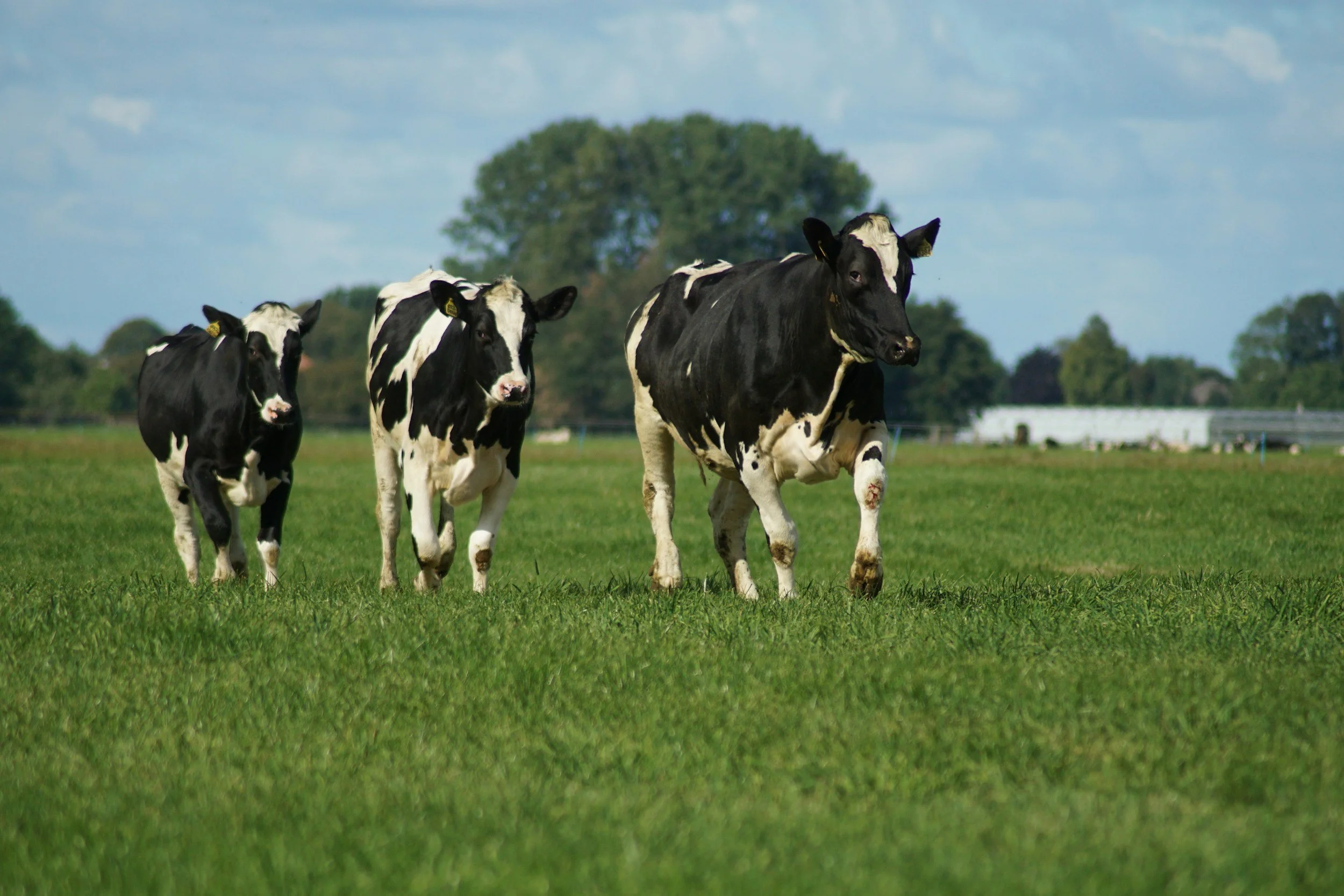
77% Less Synthetic Nitrogen, With Better Pasture Utilisation
Tristan — Nelson Dairy Farm
Tristan reports reducing synthetic nitrogen from 300 to around 70 kg N/ha/year while pasture utilisation increased by 15–17%. Over the same period, root depth increased from under 7 cm to more than 40 cm and SCC fell from approximately 250,000 to below 50,000.
“Turbo N-15 has had a major impact on our farm system.” — Tristan
The Result at a Glance
Synthetic Nitrogen
300 → ~70 kg N/ha/year
Approximately 77% lower
Root Depth
<7 cm → >40 cm
Pasture Utilisation
+15–17%
Somatic Cell Count
~250,000 → <50,000
Farm Snapshot
Farm type: Pasture-based dairy
Approach: Whole-farm soil, pasture, nutrition and feed management
DCT product used: Turbo N-15
Evidence: Results supplied directly by Tristan from his farm programme and experience
The results in this case were supplied directly by Tristan. Scientific interpretation is presented separately from Tristan's reported results.
The Starting Point
Tristan wasn't looking simply to apply more fertiliser and push the farming system harder.
The farm had been using approximately 300 kg of synthetic N/ha/year, and the opportunity was to improve how the wider system performed — from nutrient use and pasture utilisation through to rooting depth and animal performance.
Importantly, Tristan doesn't attribute the results to one product working in isolation.
His approach included soil management, feed management and nutrient planning, supported by soil testing and agronomic input.
Turbo N-15 became part of that wider programme.
The objective was increasingly about getting more from the farming system rather than simply putting more into it.
What Changed
Within the wider farm programme, Tristan used Turbo N-15 while continuing to manage soil fertility, pasture, feed and animal nutrition as connected parts of the system.
Over time, he was able to substantially reduce synthetic nitrogen input.
He also changed how frequently the DCT programme needed to be applied.
Tristan reports moving from applications every 1–2 grazing rounds to approximately every 2.5–3 rounds.
At the same time, he was tracking changes in pasture utilisation, root development and animal performance.
The result wasn't simply a lower-input programme.
Several important measures of farm performance moved in a positive direction while synthetic N use fell.
The Results
Synthetic Nitrogen: 300 → ~70 kg N/ha/year
Tristan reports reducing synthetic nitrogen from:
300 kg N/ha/year
to approximately:
70 kg N/ha/year
That's a reduction of around:
77%
This is the central result in Tristan's case.
The significance isn't simply that less nitrogen was applied.
It is that the reduction occurred while Tristan reports pasture utilisation improving and other measures of farm performance moving positively.
That makes this a much more interesting question of whole-system nutrient efficiency than simply one of fertiliser reduction.
Pasture Utilisation: +15–17%
While synthetic nitrogen use fell, Tristan reports pasture utilisation increasing by:
15–17%
This is commercially important.
Growing pasture is only part of a productive dairy system. The value ultimately depends on how effectively that home-grown feed is utilised.
DairyNZ similarly identifies the amount of home-grown pasture and crop actually eaten as a major driver of profitable and resilient dairy systems.
For Tristan, the important relationship is therefore:
substantially less synthetic nitrogen alongside greater reported pasture utilisation.
Root Depth: <7 cm → >40 cm
Tristan reports root depth increasing from:
Under 7 cm
to:
More than 40 cm
That represents a major change in the rooting profile he was seeing on the farm.
Greater rooting depth can increase the volume of soil available to plants for water and nutrient acquisition.
It also provides useful context for Tristan's observations that pasture remained greener and more resilient through summer.
The case doesn't establish that deeper rooting caused those pasture observations, but the relationship is agronomically relevant.
SCC: ~250,000 → <50,000
Tristan reports somatic cell count falling from approximately:
250,000
to:
Below 50,000
During the programme, he also reported improved in-calf rates and fewer metabolic issues.
SCC is an established indicator used in dairy farming to monitor udder health and mastitis within a herd. The magnitude of Tristan's reported change therefore makes it an important animal-performance result in this case.
We don't attribute the reduction to DCT alone. Animal health is influenced by multiple nutritional, environmental and management factors.
What we can say is that the improvement occurred during the same wider farm programme in which Tristan was changing nutrient, pasture and feed management.
SCC: ~250,000 → <50,000
Tristan reports somatic cell count falling from approximately:
250,000
to:
Below 50,000
During the programme, he also reported improved in-calf rates and fewer metabolic issues.
SCC is an established indicator used in dairy farming to monitor udder health and mastitis within a herd. The magnitude of Tristan's reported change therefore makes it an important animal-performance result in this case.
We don't attribute the reduction to DCT alone. Animal health is influenced by multiple nutritional, environmental and management factors.
What we can say is that the improvement occurred during the same wider farm programme in which Tristan was changing nutrient, pasture and feed management.
Fewer Applications
There was also an operational change.
Tristan reports moving from applying product every:
1–2 grazing rounds
to approximately every:
2.5–3 grazing rounds
That meant the programme required less frequent intervention.
We don't assume a particular mechanism for the longer interval from this case alone.
But from a farm-management perspective, doing the job less frequently while maintaining the desired system performance matters.
Tristan's Experience
The numbers are only part of Tristan's story.
He also reported noticeable changes in how the farm behaved through different conditions.
“We reduced synthetic nitrogen from 300 kg/ha/year to around 70 kg/ha while increasing pasture utilisation by 15–17%.”
He reported deeper roots, improved winter drainage and pasture that remained greener and more resilient through summer.
“Root depth increased from under 7 cm to more than 40 cm, drainage improved in winter, and pastures stayed greener and more resilient through summer.”
And the changes weren't confined to pasture.
Tristan reported the substantial reduction in SCC alongside improved in-calf rates and fewer metabolic issues.
His overall assessment was:
“Overall, Turbo N-15 has helped us reduce N use, grow more pasture, and improve animal health and production.”
These are Tristan's results and observations from his farming system.
They don't mean every change can be attributed to one product or one mechanism — and Tristan's own approach to the farm was broader than that.
Understanding the Result
DCT looks at farm performance through four connected areas:
Nutrient Efficiency. Root Development. Plant Performance. Soil Function.
Tristan's results are relevant to all four, although the evidence isn't equally strong for every area.
Nutrient Efficiency
This is the clearest theme in Tristan's case.
Synthetic nitrogen fell by approximately 77%, from 300 to around 70 kg N/ha/year, while pasture utilisation reportedly increased by 15–17%.
That doesn't establish how much of the change was attributable to Turbo N-15 or identify a single mechanism responsible.
But it does demonstrate why nitrogen efficiency is more useful to investigate than nitrogen application rate alone.
Mainstream New Zealand dairy guidance takes a similar system view: the profitability of nitrogen fertiliser depends not simply on producing a pasture response, but on whether that additional feed is effectively utilised for animal production.
Root Development
Tristan reports root depth moving from under 7 cm to more than 40 cm.
A larger effective rooting zone can give plants access to a greater volume of soil from which to obtain water and nutrients.
That makes the root result particularly relevant alongside Tristan's observations of greener, more resilient pasture through summer.
We don't need to assume a particular hormonal, microbial or product mechanism to recognise that deeper rooting can materially change the environment available to the plant.
Plant Performance
The strongest plant-performance result isn't simply that the pasture looked better.
It's Tristan's reported:
15–17% improvement in pasture utilisation
He also observed greener summer pasture and greater resilience.
This distinction matters.
DairyNZ notes that growing more pasture is only part of the equation — the commercial value comes from increasing the amount of home-grown feed actually eaten.
That makes utilisation particularly relevant when assessing the commercial significance of Tristan's programme.
Soil Function
Tristan reported improved winter drainage alongside the substantial increase in root depth.
Both are relevant to how the physical soil environment supports pasture performance.
However, this case doesn't independently quantify changes in aggregation, infiltration, microbial populations or other specific soil processes.
We therefore treat improved drainage as Tristan's observation rather than using it to claim that a particular soil mechanism was demonstrated.
Why This Matters on Farm
The commercial story isn't simply:
Tristan used less nitrogen.
It's what happened while he was using less.
~77% less synthetic N
+15–17% pasture utilisation
<7 cm → >40 cm root depth
~250,000 → <50,000 SCC
Alongside those results, Tristan reports less frequent applications, improved winter drainage, stronger summer pasture resilience, improved in-calf rates and fewer metabolic issues.
That's what makes the case significant.
New Zealand dairy research has demonstrated more broadly that productive farm systems can be developed around lower nitrogen inputs when pasture utilisation, grazing management and the wider farming system are managed effectively.
Tristan's case isn't a controlled trial of that principle.
It is a commercial farm example showing why the question is worth asking:
How much performance are you getting from the nitrogen you're already applying?
What This Case Does — and Doesn't — Show
This is a commercial farm testimonial and case study, not a controlled trial.
The results were supplied directly by Tristan and reflect his records and experience of the farm programme.
Turbo N-15 operated within a wider farming system that included soil management, nutrient planning, pasture management and animal nutrition.
The case therefore doesn't demonstrate that Turbo N-15 alone caused every result or establish individual mechanisms such as reduced volatilisation, microbial changes or changes in nitrogen cycling.
What it does provide is a substantial set of real-farm results occurring within the same programme — including a major reduction in synthetic nitrogen alongside improvements Tristan reports in pasture utilisation, root development and animal performance.
Better Farming Starts With Better Understanding
Tristan's results raise a more useful question than simply:
How much nitrogen should I apply?
The better question is:
What is the farming system getting back from the nitrogen, pasture, soil and management already going into it?
Nitrogen is an important farming tool.
But application rate alone doesn't tell us whether the wider system is performing efficiently.
That is why DCT looks beyond individual inputs to the interaction between nutrient efficiency, roots, soil function, plant performance and farm management.
Could Your Farm Get More From the Nitrogen You're Already Applying?
If you're looking at nitrogen use, pasture utilisation or wider farm efficiency, talk to DCT about your current programme and what you're seeing on the farm.

Continue Exploring the other foundations:
-
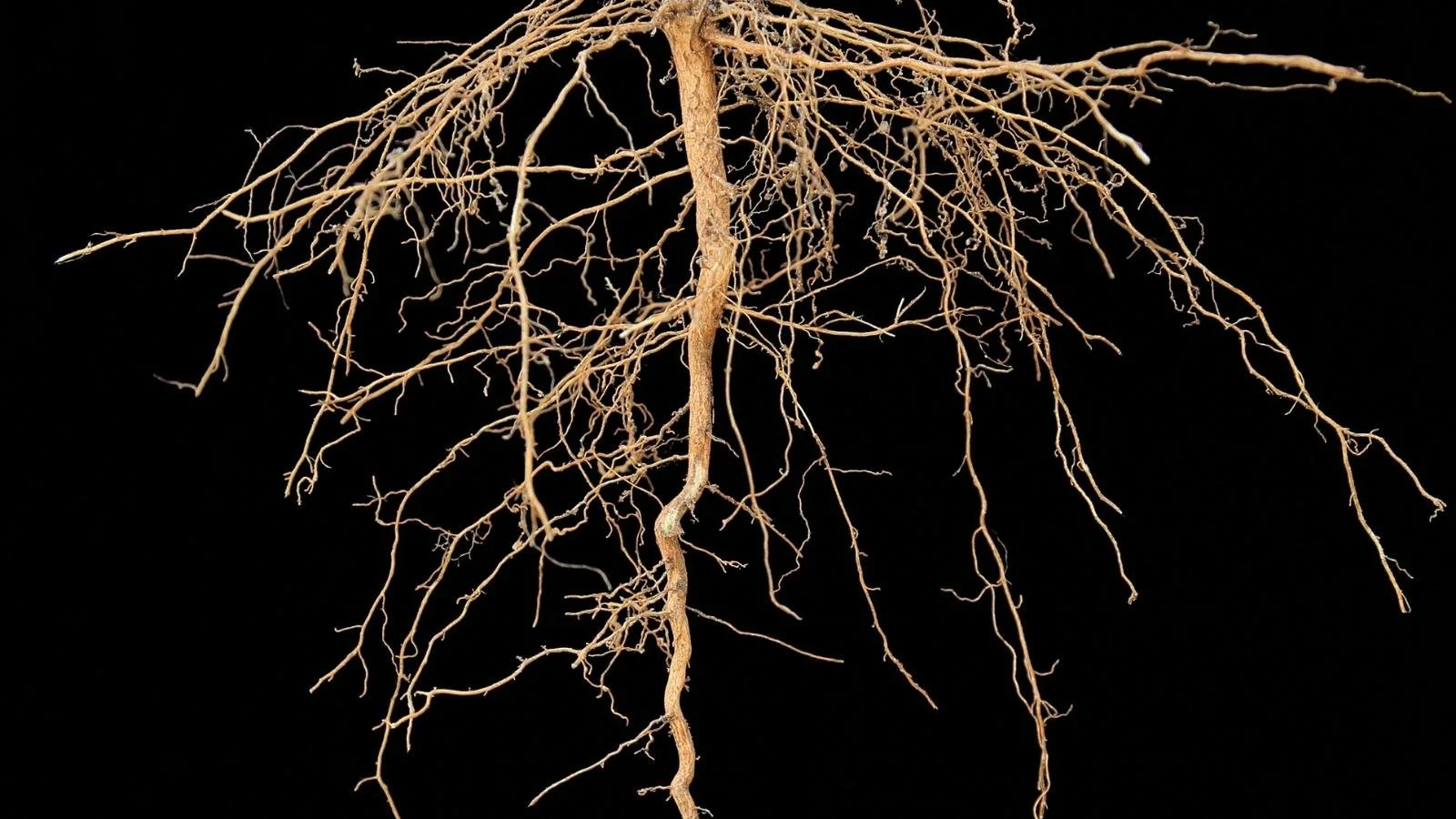
Root Development
Understanding how plants explore the soil for water and nutrients.
-

Soil Function
Understanding the environment where roots, water, nutrients and living processes interact.
-
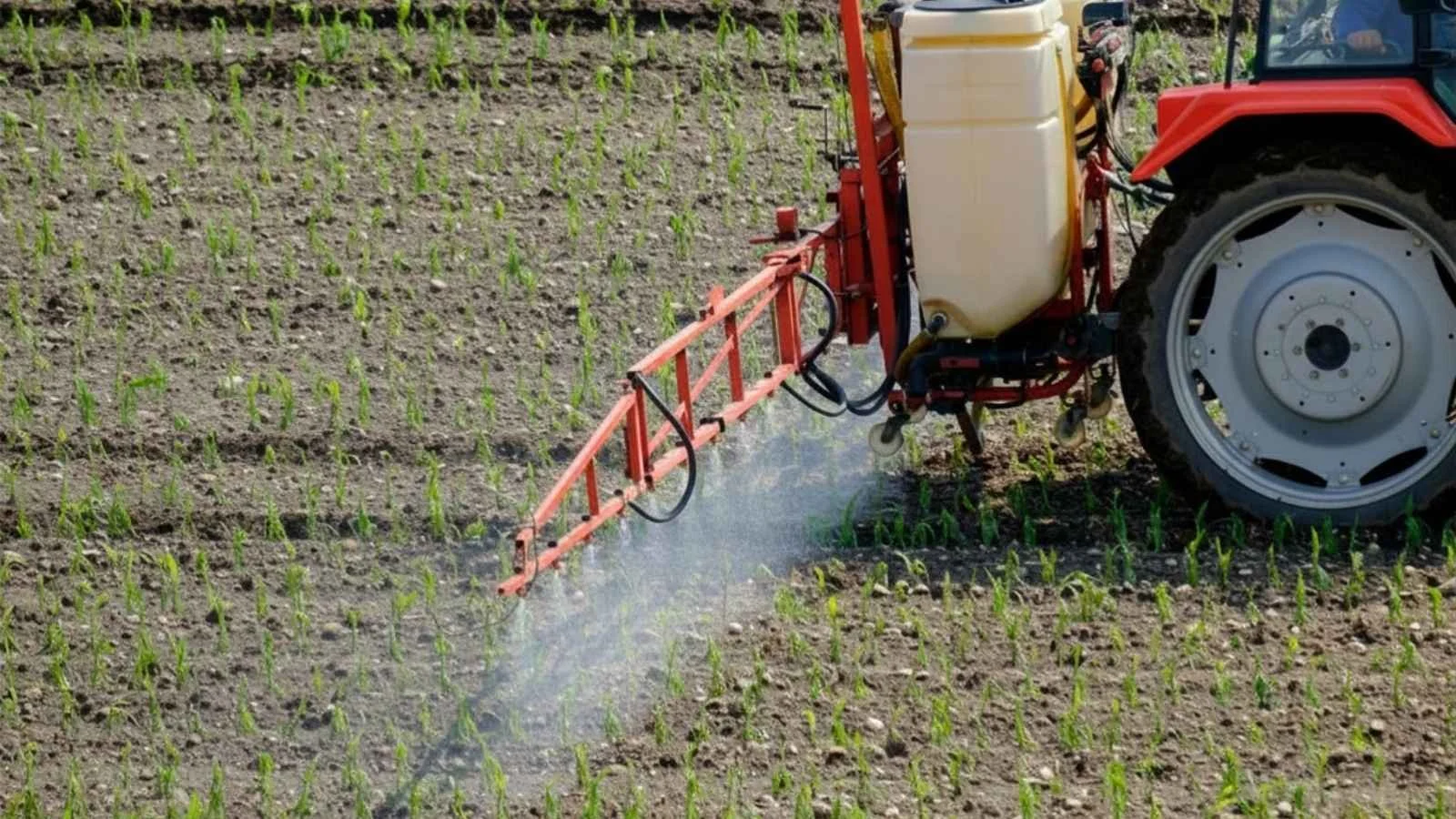
Nutrient Efficiency
Understanding how farming systems capture and use available nutrients.
-
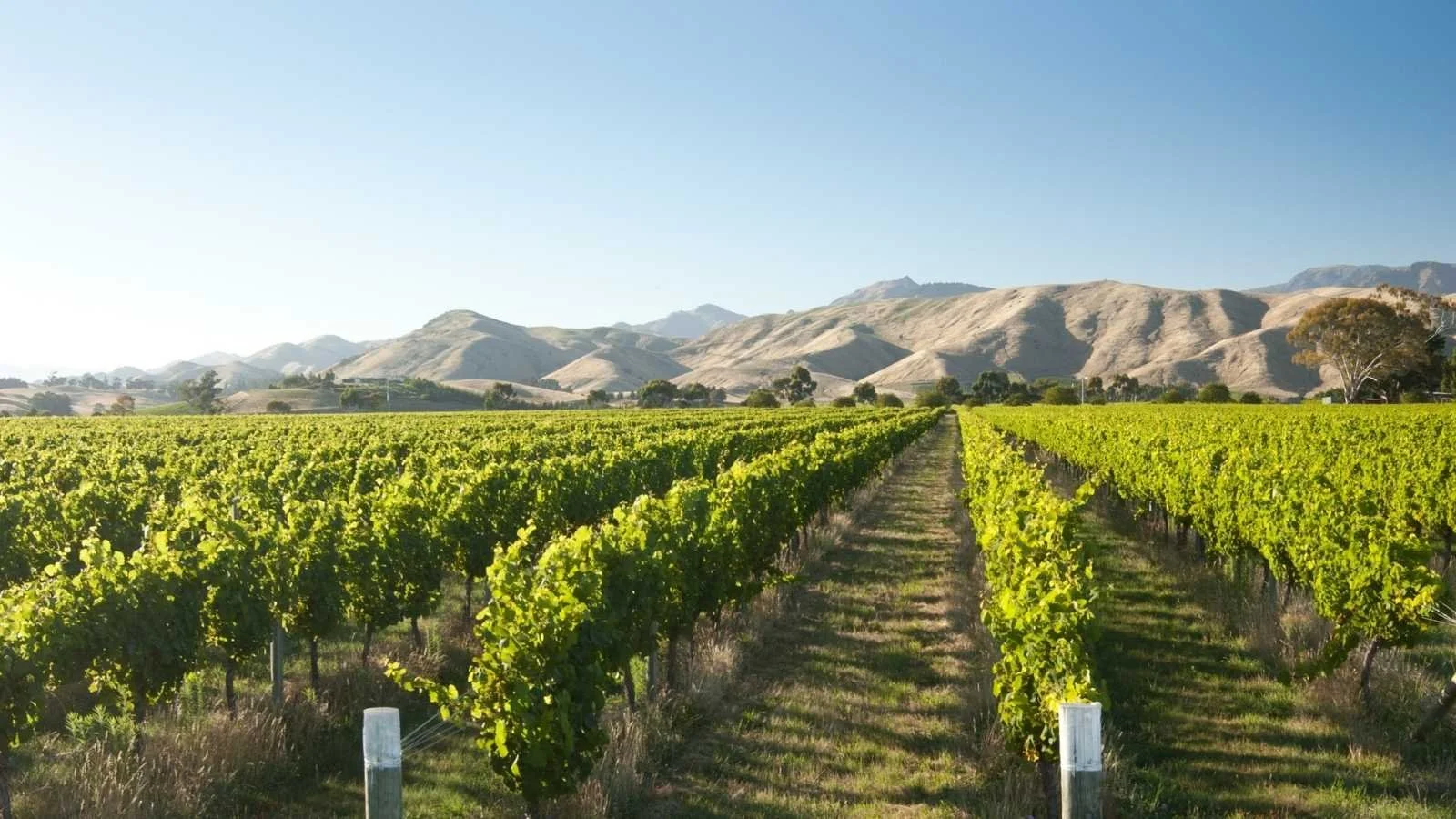
Plant Performance
Understanding how plants convert available resources into productive growth.