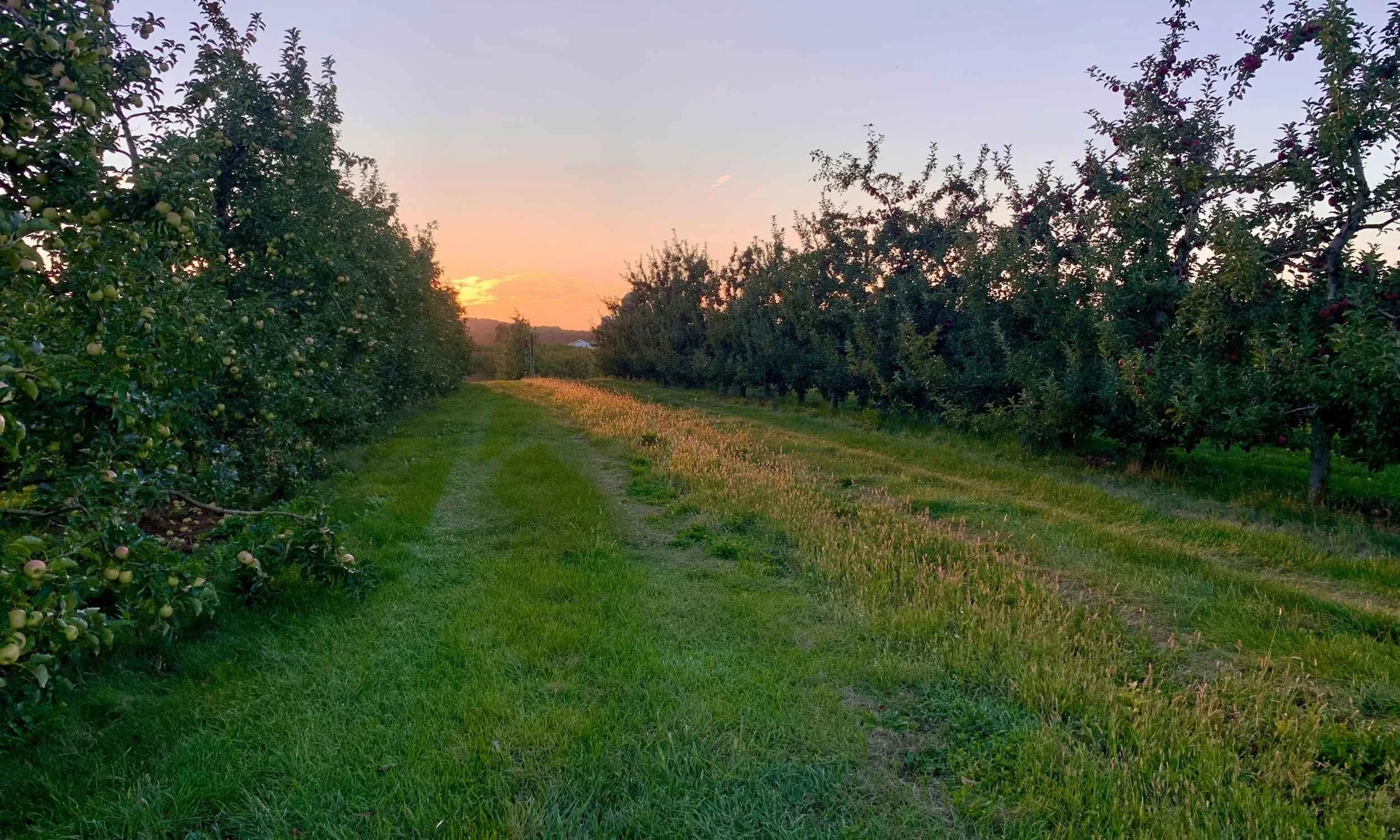
“Our Piqa Boo Pears Have Never Looked So Good”
Leigh — Commercial Pear Grower, Nelson, New Zealand
After using DCT Seaweed Plus and Lazerhume for a season, Leigh reported healthier-looking trees carrying a strong crop — a level of performance he says they hadn't seen for many years.
“We have been using DCT Seaweed Plus and Lazerhume this past season, and our Piqa Boo pears have never looked so good. The trees appear healthier than ever and are holding a strong crop, which we haven’t seen for many years.”
— Leigh
The Result at a Glance
Tree Condition
“Healthier than ever”
Crop
Holding a strong crop
Historical Comparison
A result not seen for many years
Orchard Snapshot
Crop: Piqa Boo pears
Farm type: Commercial pear orchard
Location: Nelson, New Zealand
Period: One season
DCT products used: Seaweed Plus and Lazerhume
Evidence: Leigh's direct experience and observations
The Starting Point
Leigh's testimonial is simple, but the comparison behind it is significant.
This wasn't a grower seeing the orchard for the first time.
After using Seaweed Plus and Lazerhume through the season, Leigh compared what he was seeing with the orchard's performance over previous years.
His assessment was that the Piqa Boo pears had “never looked so good.”
The trees appeared healthier, and importantly for a commercial orchard, they were holding a strong crop at a level Leigh said they hadn't seen for many years.
We don't have historical yield, packout or fruit-quality records to quantify that comparison.
What we do have is the direct observation of the commercial grower managing the orchard.
What Changed
Leigh used DCT Seaweed Plus and Lazerhume during the season covered by his testimonial.
We don't have sufficient information about other management changes during that season to treat DCT as the only variable.
That's important because commercial pear performance is influenced by many interacting factors, including crop load, pruning, thinning, nutrition, irrigation, weather and overall tree condition.
This case therefore records what Leigh observed after introducing DCT into the orchard programme, rather than claiming DCT alone caused the result.
What Leigh Saw
Leigh used DCT Seaweed Plus and Lazerhume during the season covered by his testimonial.
We don't have sufficient information about other management changes during that season to treat DCT as the only variable.
That's important because commercial pear performance is influenced by many interacting factors, including crop load, pruning, thinning, nutrition, irrigation, weather and overall tree condition.
This case therefore records what Leigh observed after introducing DCT into the orchard programme, rather than claiming DCT alone caused the result.
A Strong Crop
The second observation is particularly important:
“Holding a strong crop”
In commercial pear production, more fruit isn't automatically a better result.
Crop load has to be balanced with tree capacity, fruit development, fruit size and quality.
That makes Leigh's complete observation more interesting than simply saying there was “more fruit”.
He was seeing healthier-looking trees while they were carrying a strong crop.
We don't have final yield or packout records from the season, so we don't turn that observation into a claim of increased harvested yield.
But from a commercial orchard perspective, the combination was significant enough for Leigh to specifically identify it.
A Result Not Seen for Many Years
Perhaps the strongest part of Leigh's testimonial is the historical comparison:
“…which we haven’t seen for many years.”
There is no percentage attached to that statement.
There doesn't need to be.
Leigh was comparing the orchard he knew with its performance over previous seasons and considered the difference substantial enough to comment on.
That makes this a grower-observation case, rather than a measured yield trial.
And that's exactly how we present it.
Understanding the Result
DCT looks at farm and crop performance through four connected areas:
Plant Performance. Root Development. Nutrient Efficiency. Soil Function.
In Leigh's case, Plant Performance is where the evidence sits most clearly.
Plant Performance
Leigh reported two important things occurring together:
healthier-looking trees
and
a strong crop being held.
That combination is commercially relevant.
In perennial fruit production, trees have to balance vegetative growth with the resources required to support developing fruit. Crop load can influence fruit size, quality and subsequent tree performance.
Leigh's testimonial doesn't tell us which physiological processes changed.
It does tell us that the visible performance of the trees and the crop they were carrying stood out compared with previous years.
The Wider System
Root function, soil conditions, water availability and nutrient supply can all influence tree and crop performance.
These connect to DCT's wider focus on Root Development, Nutrient Efficiency and Soil Function, but none was directly measured in Leigh's case.
We therefore don't attribute his result to a particular root, soil, nutrient or biological mechanism.
Instead, these are parts of the wider orchard system that are worth investigating when trying to understand why tree and crop performance changes.
Why This Matters Commercially
The commercial question in a pear orchard isn't simply:
How much fruit is on the tree?
It is whether the orchard can support an appropriate crop while maintaining the tree performance required to develop that fruit successfully.
That is what makes Leigh's observation interesting.
He wasn't reporting one isolated change.
He was seeing:
Healthier-looking trees
A strong crop being held
Performance he hadn't seen for many years
We don't have harvest data to turn those observations into a dollar return.
But we also don't need to turn a genuine grower observation into something it wasn't.
For Leigh, the result was clear enough:
“Our Piqa Boo pears have never looked so good.”
What This Case Does — and Doesn't — Show
This is a commercial grower testimonial and field observation, not a controlled orchard trial.
The testimonial came directly from Leigh and records what he observed after using Seaweed Plus and Lazerhume during the season.
We don't have yield, packout, fruit-quality, root or soil measurements from the orchard, and we don't have enough information about other management changes to isolate DCT as the cause.
So we don't claim that DCT increased yield, prevented fruit drop or produced the result through a particular soil, root or plant mechanism.
What the case does show is simpler:
A commercial Nelson pear grower introduced DCT into his orchard programme and reported healthier-looking Piqa Boo trees carrying a strong crop — a result he said they hadn't seen for many years.
Better Farming Starts With Better Understanding
A strong-looking crop is worth noticing.
The next question is why.
Tree condition, crop load, roots, soil, water, nutrition, weather and orchard management all interact.
DCT's approach is to understand that wider system rather than assuming one input explains everything.
What Could Better Performance Look Like in Your Orchard?
If you're looking at tree performance, crop consistency or how effectively your existing orchard programme is working, talk to DCT about what you're seeing.

Continue Exploring the other foundations:
-
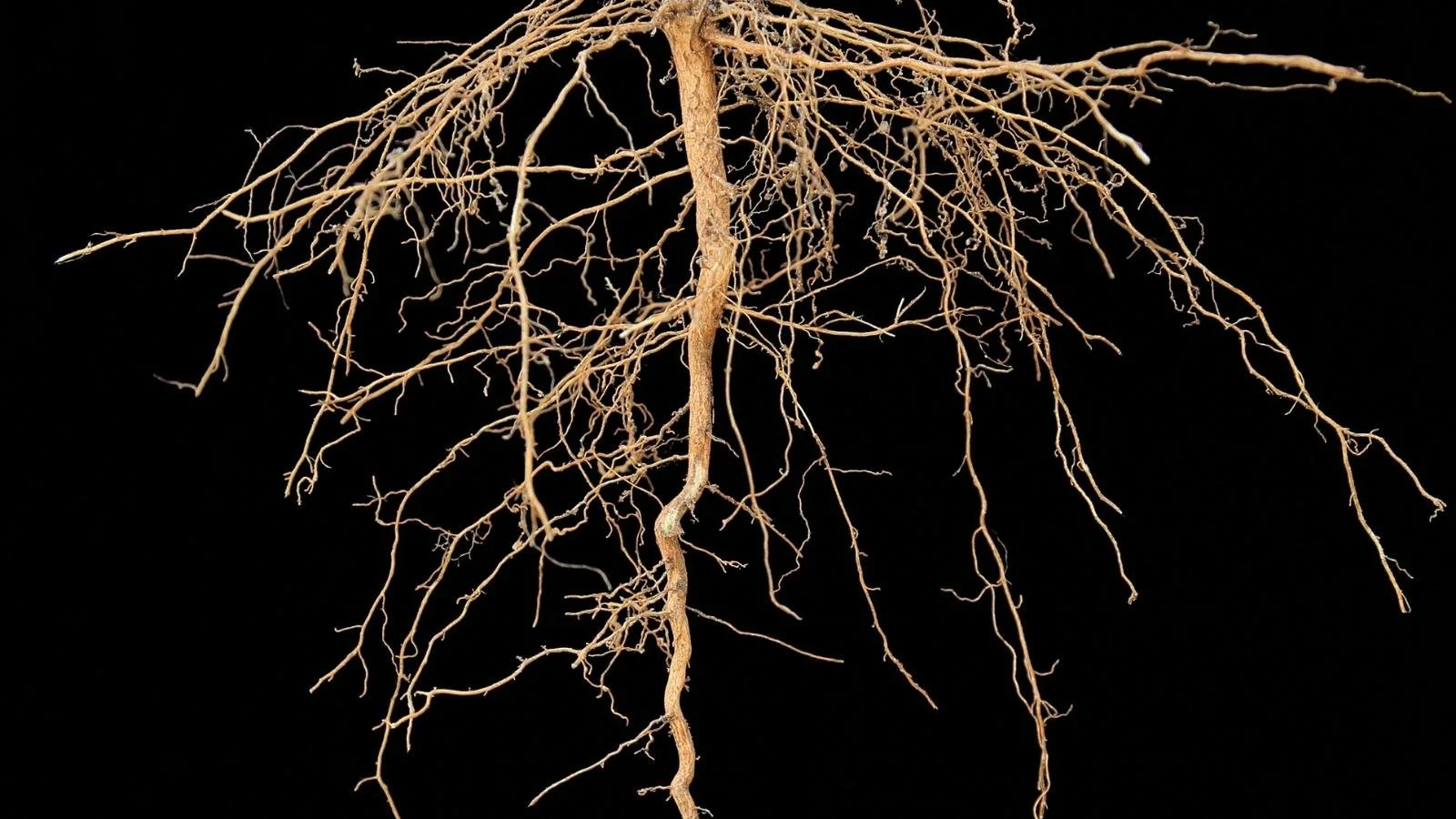
Root Development
Understanding how plants explore the soil for water and nutrients.
-
Soil Function
Understanding the environment where roots, water, nutrients and living processes interact.
-
Nutrient Efficiency
Understanding how farming systems capture and use available nutrients.
-
Plant Performance
Understanding how plants convert available resources into productive growth.