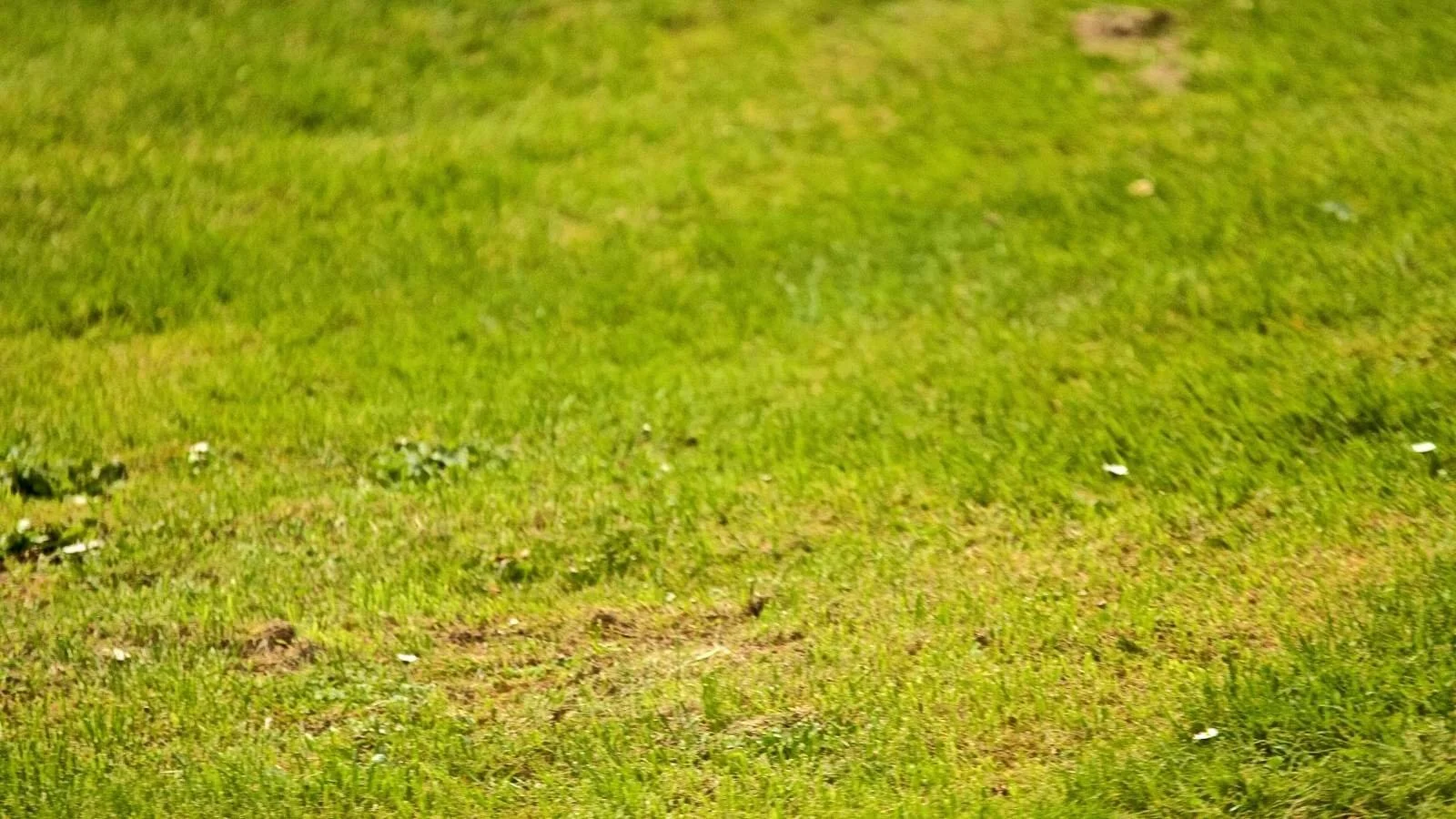
Why Is Water Sitting on My Paddocks After Rain?
Why water can remain on the surface long after rain and what that can tell you about how water is moving through the soil.
The rain stops.
But the water doesn't disappear.
It sits in shallow pools.
Collects in wheel tracks or hoof marks.
Perhaps one end of the paddock stays wet while another becomes usable much sooner.
Sometimes that's exactly what you'd expect after heavy rain.
The soil is full.
The water table is high.
There's simply nowhere for more water to go.
But sometimes the pattern raises a different question.
Why does water sit on this paddock when another nearby handles the same rain much better?
The obvious answer is drainage.
And drainage may well be the problem.
But before deciding the paddock needs another drain, there is a useful distinction to make.
Is the water unable to leave the soil — or is it struggling to get into it in the first place?
Those are not the same problem.
Before Water Can Drain Away, It Has to Get Into the Soil
When rain reaches a paddock, some is intercepted by plants.
Some may run across the surface.
But much of it needs to enter the soil.
That process is infiltration.
Once inside, water can be stored in the soil, taken up by plants or continue moving downward and sideways through the profile.
So when water remains on the surface, we tend to see the final symptom.
A wet paddock.
But the restriction can occur at different points in the journey.
The soil profile may already be saturated.
A naturally slow-draining layer may restrict movement deeper down.
A drain may be blocked or inadequate.
Or water may be having difficulty crossing the soil surface and moving through the upper profile.
That distinction matters.
Because a drainage problem and an infiltration problem can look remarkably similar from the ute.
Soil Isn't Solid, Water Moves Through the Spaces
Pick up a handful of soil and it feels solid.
But functioning soil contains an enormous network of spaces between and around its particles and aggregates.
Some pores are small.
Some are larger.
And some form connected pathways through the profile.
Those spaces hold air and water, allow roots to grow and give excess water somewhere to move.
Large, connected pores are particularly important when water needs to move relatively quickly after rain.
Some are created by soil structure.
Others by roots.
Earthworms can contribute channels too.
The important word is connected.
A pore that leads nowhere doesn't provide the same pathway as one that connects through the soil.
So the question isn't simply:
“Does this soil contain space?”
It's:
“Does water have a connected route through it?”
And farming can change that answer.
What Happens When Those Pathways Are Squashed?
Wet soil is particularly vulnerable to physical damage.
Stock place considerable pressure through relatively small hoof areas.
Machinery adds its own loads.
When soil is wet enough, that pressure can deform the structure.
Larger pores can be reduced.
Aggregates can be pressed closer together.
The pathways that previously carried air, roots and water can become less continuous.
This is one reason pugging and compaction matter after rain.
Now imagine the next heavy rainfall.
The same amount of water arrives.
But the route into and through the soil is different.
Water may enter more slowly.
Movement through part of the profile may be restricted.
More water remains at or near the surface.
And once the surface stays wet for longer, it can become more vulnerable to further damage from the next grazing or machinery pass.
That can create an unhelpful cycle:
wet soil → structural damage → slower water movement → soil stays wet longer → greater risk of further damage
But compaction isn't the answer to every wet paddock.
Sometimes the Soil Really Is Full
If rain continues for long enough, even well-structured soil reaches a point where it cannot store much more water.
Once the available storage is filled, additional rainfall has to go somewhere.
It may drain deeper.
Move sideways.
Collect in low areas.
Or run across the surface.
Different soils behave differently here.
Clay-rich soils contain many smaller pores and can hold substantial amounts of water, but water may move through them relatively slowly.
Coarser soils generally drain more freely while storing less water.
Landscape matters too.
A low-lying part of the paddock may receive water moving from surrounding ground.
A high water table can limit drainage from below.
A restrictive soil layer can slow downward movement.
Artificial drainage may be inadequate, damaged or blocked.
So after prolonged heavy rain, standing water doesn't automatically mean something is wrong with the soil structure.
The first question is whether the soil has somewhere for the water to go.
If the answer is no, improving infiltration alone won't solve the problem.
But if neighbouring areas have somewhere to drain and one still ponds much longer, the comparison becomes useful.
The Pattern of Water Can Tell You Where to Look
Don't only look at how much water is sitting there.
Look at where it sits.
Does the whole paddock stay wet?
That may point toward saturation, soil type, a high water table or a broader drainage limitation.
Does water repeatedly collect in the same depressions?
Contour may be doing exactly what gravity dictates.
Does it follow wheel tracks, gateways, trough areas or heavily trafficked zones?
Now physical damage deserves closer attention.
Does one paddock pond while an adjacent paddock on similar ground doesn't?
Compare them.
And watch what happens after the rain stops.
Which paddock loses surface water first?
Which remains soft?
Where can you walk without water appearing around your boots?
These differences help separate too much water from water that isn't moving effectively through the soil.
And there is another clue below ground.
Roots and Water Often Follow the Same Doorways
Dig into an area that drains well.
Then dig into one that stays wet.
Don't just look for water.
Look at the structure.
Does the soil break into smaller aggregates, or come away in dense blocks?
Can you see old root channels?
Earthworm pathways?
Cracks?
Where are the living roots?
Do they travel down through the profile?
Or do they become shallow and begin moving sideways at a particular depth?
Roots don't prove where water is going.
But they can reveal something about the pathways available through the soil.
Roots can use existing pores.
Growing roots can also contribute to the development of soil structure and leave pathways behind.
So a soil that supports deeper, more extensive rooting is not only giving plants access to a larger volume of soil.
Those roots can also influence the structure through which future water must move.
And that brings us to the central answer.
Water Sits When It Arrives Faster Than the Soil Can Take It In or Move It Away
After rain, water needs somewhere to go.
It needs to enter the soil, be stored within the profile, move through connected pathways or leave through natural or artificial drainage.
Water sits on the paddock when water is arriving faster than the soil and drainage system can accept, store or move it away.
Sometimes the reason is prolonged saturation.
Sometimes it's soil type or landscape.
Sometimes it's a high water table, restrictive layer or drainage limitation.
And sometimes the soil's ability to accept and transmit water has been reduced by structural damage or compaction.
The water on the surface is therefore not the diagnosis.
It's evidence that somewhere in the water's journey, movement has become limiting.
Once you understand that, the objective changes.
You aren't simply trying to “get rid of the water.”
You're trying to identify where its movement is being restricted.
The Best Solution Depends on Where the Restriction Is
If water has nowhere to go, drainage may genuinely be the answer.
If saturated ground is vulnerable to further pugging or compaction, protecting it from stock or machinery may be the immediate priority.
But where damaged soil structure is restricting infiltration or water movement, improving the soil environment can form part of the wider approach.
That doesn't replace drainage.
And prolonged rainfall can still saturate a well-functioning soil.
It simply means that where soil condition is part of the restriction, how well that soil functions matters.
And that's where DCT enters this story.
Now You Understand Why Our Products Exist
DCT didn't begin with the idea that farmers needed another product to dry out wet paddocks.
We began with a broader question:
How can we improve key processes within the farming system so the system as a whole has a better opportunity to perform efficiently?
For more than twenty years, that question has shaped how we've looked at soils, roots, nutrients and plants.
Our products aren't designed to replace effective drainage, sensible wet-weather management, appropriate cultivation or other physical remediation where those are required.
They're designed to support key underlying processes that influence how effectively the soil and plant system functions.
Where soil condition is part of the limitation, improving the environment for soil structure, rooting and water movement can become part of the wider approach.
Depending on your farming system, what you're seeing and what you're trying to improve, there are different ways to begin.
One Question to Take Back to the Paddock
The next time water is sitting after rain, don't only look at the wettest area.
Find somewhere nearby where the water disappeared sooner.
Then compare them.
Where is the water collecting?
What traffic has each area experienced?
Dig into both while the difference is still visible.
Look at the structure.
The roots.
The channels and pores you can see.
And think about where the water has somewhere to go.
Then ask:
“Is this water sitting here because the soil is full or because something is restricting its journey?”
That distinction matters.
Because sometimes the answer really is more drainage.
Sometimes the most important decision is simply keeping stock or machinery off vulnerable wet soil.
And sometimes the water sitting on top is telling you something about the condition underneath.
The better question isn't simply:
“How do I get this water off my paddock?”
It's:
“Where is the water's movement being restricted?”
Once you know that, you have a much better place to start.
Want to Understand the System More Deeply?
-
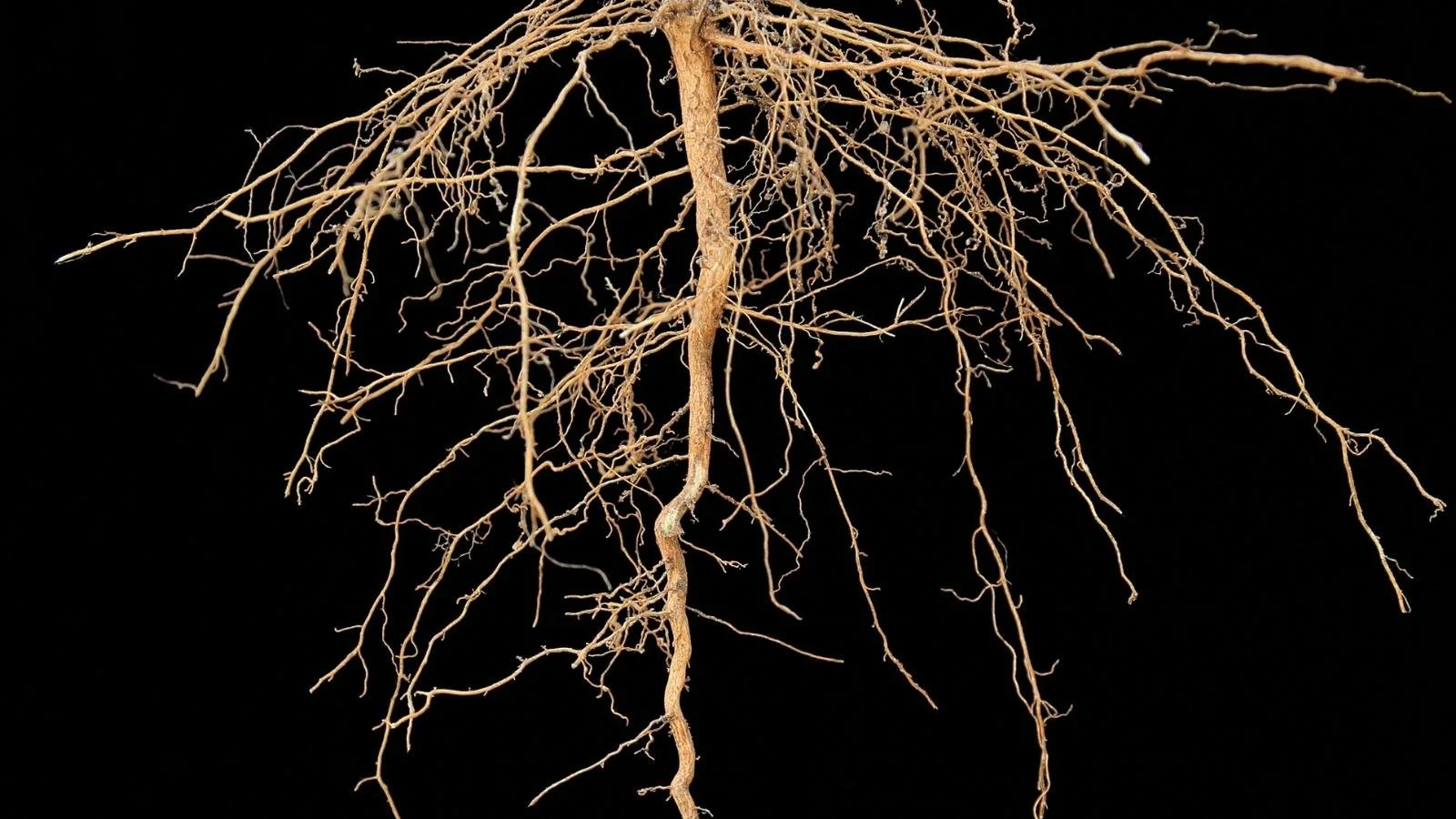
Root Development
Understanding how plants explore the soil for water and nutrients.
-
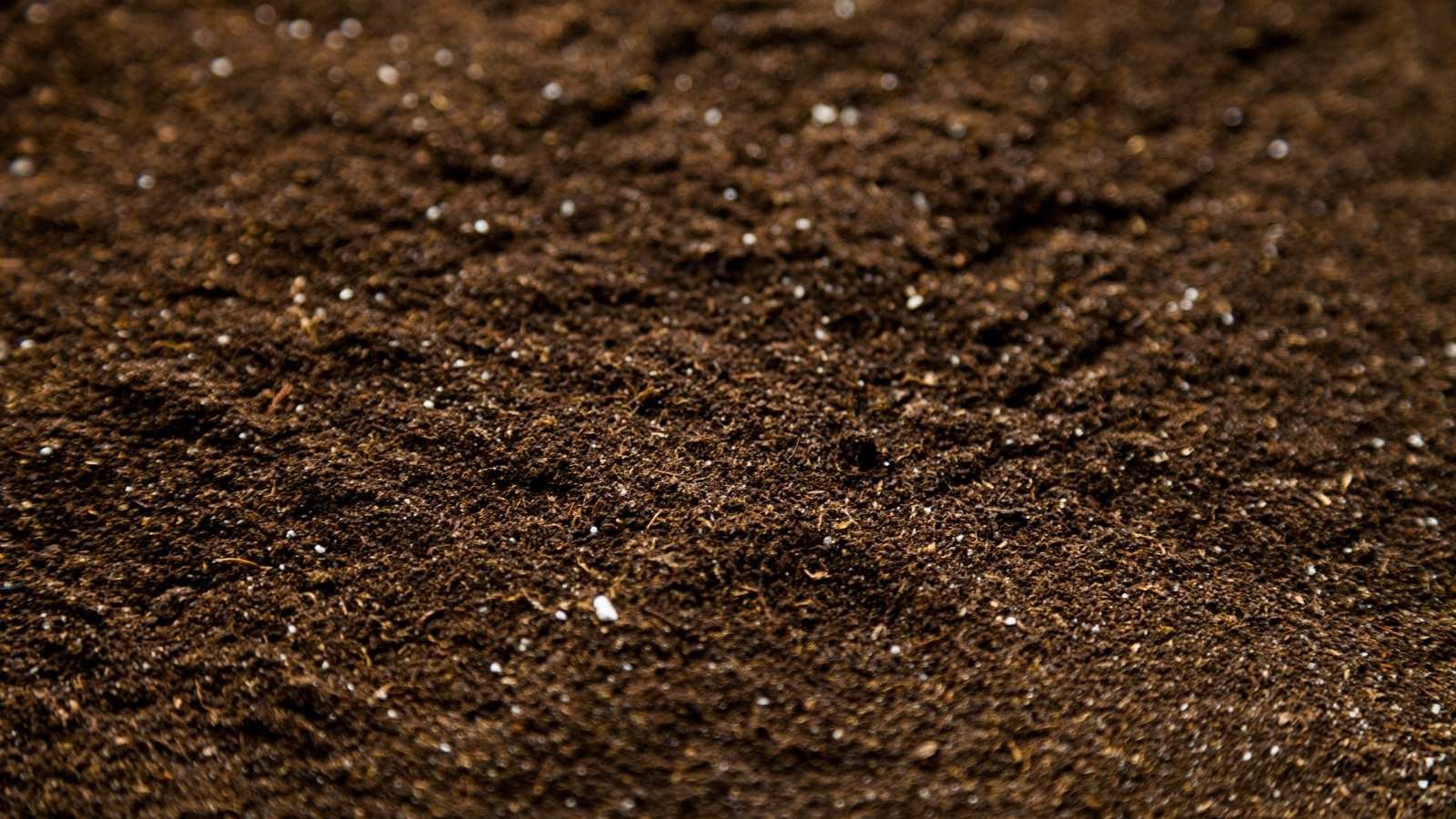
Soil Function
Understanding the environment where roots, water, nutrients and living processes interact.
-
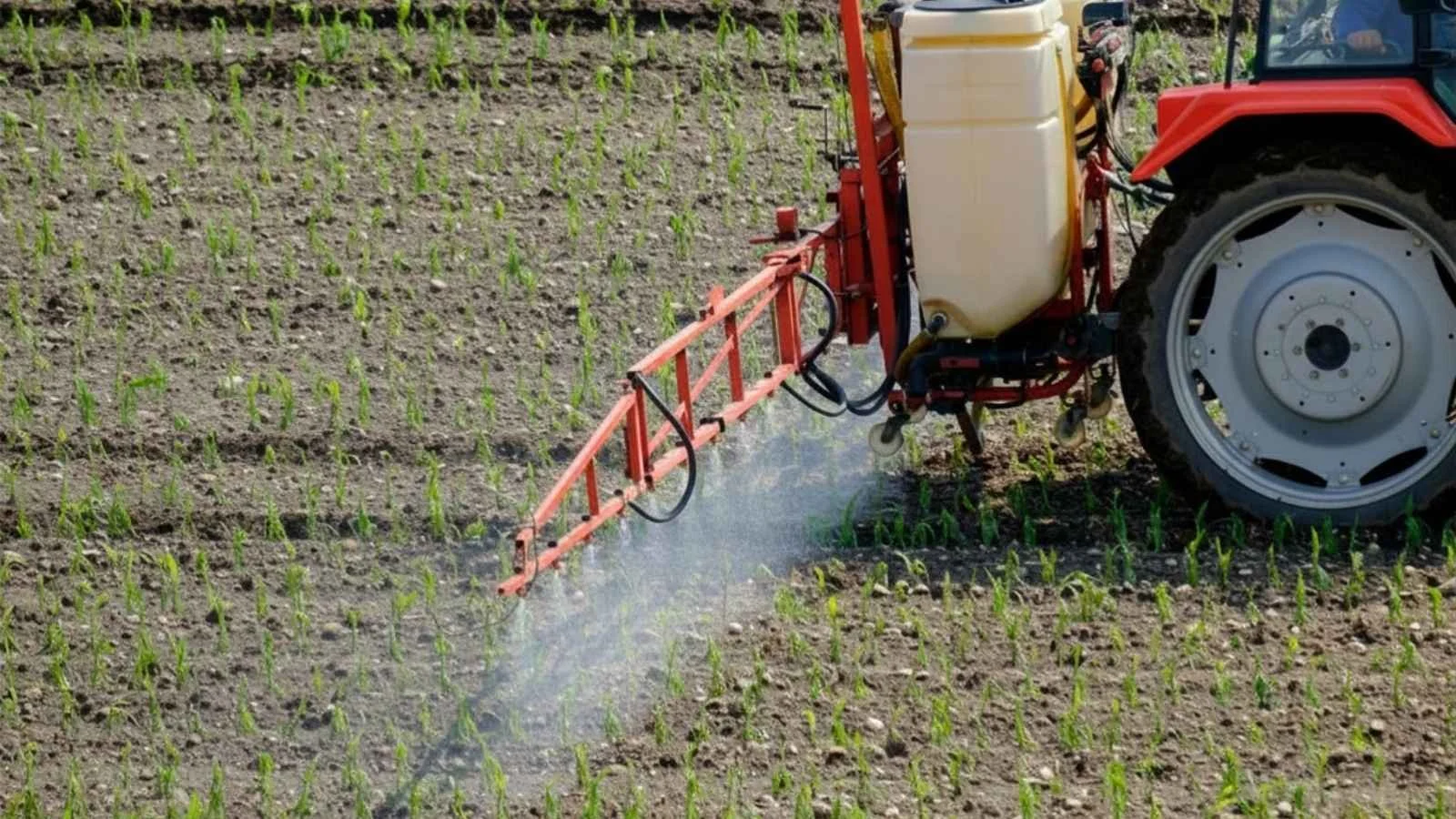
Nutrient Efficiency
Understanding how farming systems capture and use available nutrients.
-
Plant Performance
Understanding how plants convert available resources into productive growth.
Not Sure Where to Start?
Tell us what you're applying now, what response you're getting and what you've noticed on the farm. We'll help you work out the most appropriate place to start.